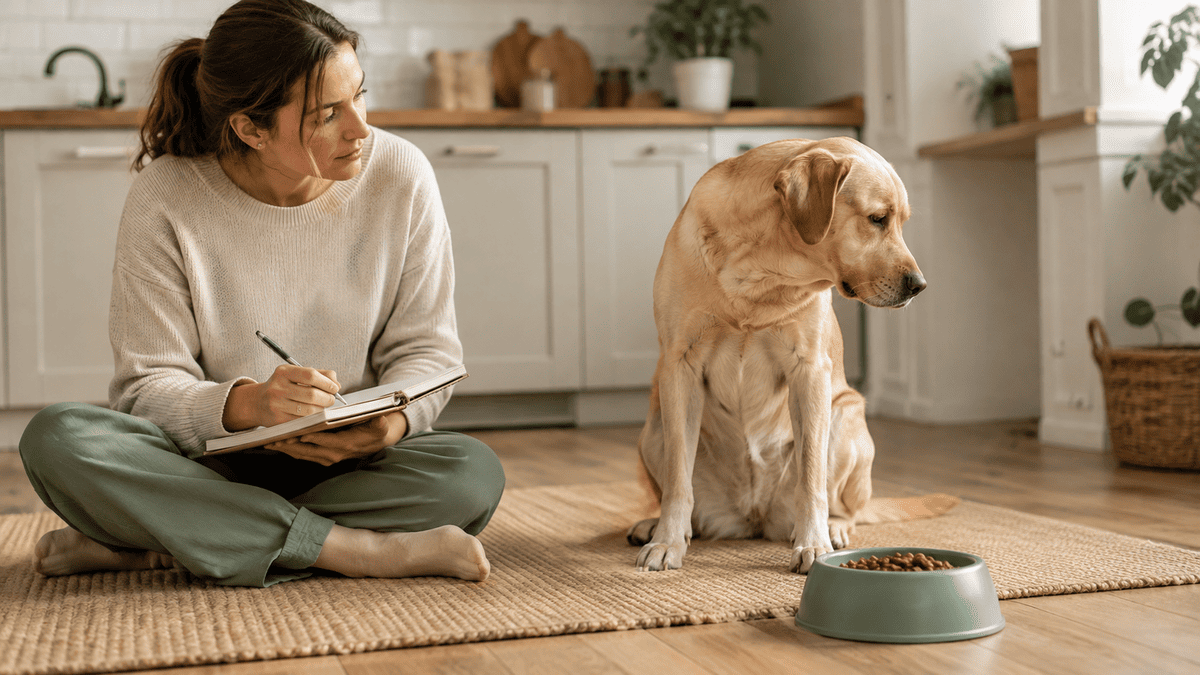

Tracking symptoms before a vet visit gives your vet the clear information they need for a faster, more accurate assessment. Here is what to record — and why it is not a substitute for a diagnosis.
Read guide →Practical tips for organised, happy pet owners.

Tracking symptoms before a vet visit gives your vet the clear information they need for a faster, more accurate assessment. Here is what to record — and why it is not a substitute for a diagnosis.
Read guide →
Arriving prepared makes every vet appointment more productive. Here is a complete checklist of what to bring — from a symptom timeline to your medication list and questions.
Read guide →
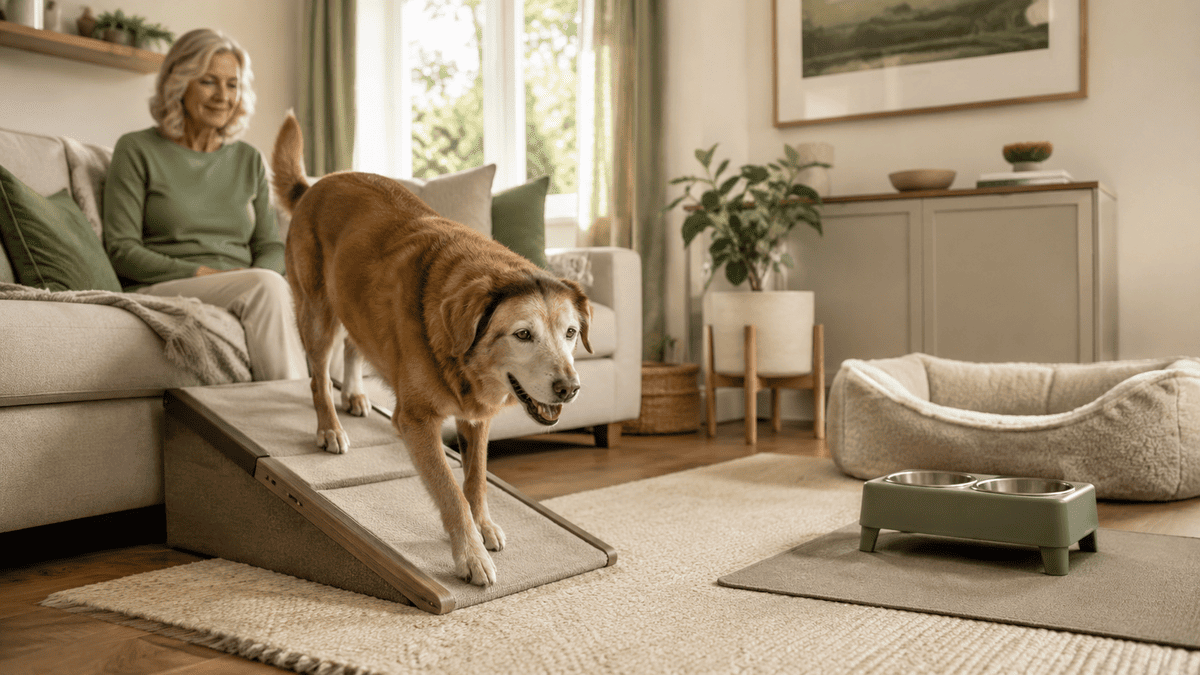
As your dog ages, small changes matter more. A senior dog care planner helps you track weight, mobility, appetite, medication and pain observations so nothing subtle is missed.
Read guide →
With more than one pet, records get mixed up fast. Here is how to organise vet records for multiple pets — one profile each, a shared emergency sheet, and household access that works.
Read guide →
After surgery, careful tracking helps you spot problems early and follow your vet's instructions precisely. Here is what to record in a recovery log — and why the vet's plan comes first.
Read guide →
New owners budget for food and vet visits but forget the costs that quietly add up. Here are 15 unexpected pet expenses — and why starting a budget before you get a pet pays off.
Read guide →
A pet emergency plan answers a question most owners never consider: who cares for your pet if you cannot get home? Here is how to prepare caregivers, access and authorisation in advance.
Read guide →
A complete breakdown of first-year puppy costs — setup, food, vet, insurance and the extras owners forget. Your real numbers will vary, so track every category as you go.
Read guide →
When a pet goes missing, the first hours matter most. A ready-made lost pet information sheet means you can act in minutes. Here are the details that help bring a pet home faster.
Read guide →A pet expense tracker turns scattered costs into a clear monthly budget — food, vet, insurance, grooming and more. Here are the categories to track and how to plan for spikes.
Read guide →
Printable planner or pet care app? Each has strengths. Here is an honest comparison across sharing, offline use, reminders and handover — and why many households use both.
Read guide →
A puppy training checklist by age — from 8 weeks to 12 months — covering the skills to introduce at each stage. A progress guide, not a rigid timeline. Here is what to work on and when.
Read guide →
Should you buy a complete dog binder or individual printables? Here is an honest comparison of what each includes, who needs the bundle, and when a single tracker is enough.
Read guide →
A crate training schedule breaks the process into small weekly steps — from first introduction to sleeping through the night. Here is a week-by-week plan you can track and adjust.
Read guide →
A puppy training log records what you practised, how it went and what to do next — turning scattered sessions into steady progress. Here is exactly what to note after each session.
Read guide →
A daily dog care checklist keeps meals, walks, medication and grooming on track even on busy days. Here is a simple morning-to-evening routine, plus weekly tasks and shared household care.
Read guide →
A dog feeding schedule everyone can follow prevents double-feeding, missed meals and overfeeding in busy households. Here is how to build one and keep multiple caregivers in sync.
Read guide →
A pet sitter checklist counts down the week before your holiday — from documents to supplies to the morning you leave — so nothing is forgotten. Here is exactly what to do and when.
Read guide →
Cats need different sitter instructions than dogs — covering litter, hiding behaviour and indoor access. Here is a complete cat sitter instructions template with everything to include.
Read guide →
Leaving your dog with a sitter? This complete checklist covers feeding, walking, medication, vet details and emergencies — everything your dog sitter needs, with a one-page version to download.
Read guide →
A cat care binder organises feeding, litter, health, medication, sitter instructions, grooming and expenses in one place. Here is the complete checklist — and the ready-made version.
Read guide →
A pet emergency card puts the details anyone needs in a crisis on one printable card — vet, contacts, medications, allergies, microchip and behaviour warnings. Here is exactly what to include.
Read guide →A pet medication tracker printable keeps every dose, timing and caregiver on the same page — preventing missed and double doses. Here is what to record and how to coordinate multiple carers.
Read guide →
A new puppy checklist printable covers everything to buy and prepare before your puppy arrives — organised by category so nothing gets missed and no money is wasted. Here is the full list.
Read guide →
A dog care binder puts health records, daily care, training, sitter instructions, emergencies, travel and expenses in one place. Here is how to build one — and the ready-made option.
Read guide →
A schedule tells you what should happen. A potty training log shows you what actually happens — and the pattern that makes accidents predictable and avoidable. Here is what to record.
Read guide →
A dog vaccination record printable keeps every vaccine, date and booster in one place — essential for boarding, travel and switching vets. Here is what to record and how to keep it current.
Read guide →
A pet health record template keeps vaccinations, vet visits, medications, allergies and weight in one place — so you are never searching for information at the vet. Here is what to include.
Read guide →
A printable puppy schedule keeps feeding, potty breaks, sleep and training consistent — the single biggest factor in a calm, quickly house-trained puppy. Here are sample schedules by age.
Read guide →
What to write in pet sitter instructions, section by section — feeding, medication, routine, vet details and emergencies. Here is exactly what to include, with a sample you can copy.
Read guide →
The first 72 hours set the tone for everything that follows. Here is how to make the transition calm, safe and successful — for both you and your new pet.
Read guide →
Pets cannot tell you when something is wrong. But they show it — if you know what to look for. Here are the most common stress signals in dogs and cats, and how to respond.
Read guide →
Your vet is the most important professional relationship in your pet's life. Here is how to find one worth keeping — and the questions to ask before you commit.
Read guide →
A pet emergency gives you seconds to react. Knowing basic first aid could be the difference between a good outcome and a devastating one.
Read guide →
Travelling with a pet takes more preparation than most people expect. Here is how to do it calmly — whether you are driving an hour to the vet or flying across a country.
Read guide →
Ageing pets need more from us — not less. Here is how to recognise the signs of ageing, adapt their care and give your senior pet the quality of life they deserve.
Read guide →
The front of a pet food bag is marketing. The back is information. Here is how to read what actually matters.
Read guide →
Most pet owners have a first aid kit for themselves. Almost none have one for their pet. Here is everything to include and where to store it.
Read guide →
Pets explore with their mouths, paws and relentless curiosity. Here is what to check in every room before your new pet arrives.
Read guide →
Pet insurance is one of the most debated topics among pet owners. Here is a clear-headed look at when it makes sense and what to look for.
Read guide →
Most pet owners have nothing prepared for an emergency. These are the ten items that make the biggest difference when something goes wrong — and the information that is even more important than the supplies.
Read guide →
A second dog is not simply twice the work — it is a different kind of work. These ten questions help you decide whether a second dog is the right choice, and how to introduce them successfully if it is.
Read guide →
Most pet ownership mistakes are not made out of negligence — they are made out of incomplete information. These are the ten that come up most often, and what to do instead.
Read guide →
Pet care costs add up — but many of the biggest expenses are avoidable. These ten approaches reduce the financial pressure of pet ownership without compromising on health or welfare.
Read guide →
Dogs do not show pain the way humans do. Many signs are subtle and easy to miss — until the condition has progressed significantly. These are the ten indicators that something may be wrong.
Read guide →
Most cat owners discover what they actually needed by running out of it at the worst time. This list covers the ten essentials that make a real difference to day-to-day cat care.
Read guide →
Most new dog owners buy too much of the wrong things and not enough of the right ones. This list covers the ten items that actually matter — and what to skip until you know your dog better.
Read guide →
Some of the most dangerous foods for dogs are things found in every kitchen. This guide covers the ten most important ones to know about — what happens if a dog eats them, and what to do.
Read guide →
Cats are experts at hiding discomfort, which means stress often goes unrecognised until it becomes a behaviour problem or a health issue. These are the ten signs to watch for.
Read guide →
The first week with a new puppy sets the tone for everything that follows. These are the ten most important things to do — and avoid — in those critical first seven days.
Read guide →