
Maltese
Also known as: Maltese Terrier, Bichon Maltais
An ancient toy breed in a flowing white coat — gentle, devoted and surprisingly bold.
- Gentle
- Affectionate
- Playful
- Bold
- Devoted
The Maltese is one of the oldest toy breeds in Europe, kept as a companion for well over two thousand years. Beneath the silky white coat is an affectionate, playful and confident little dog that bonds closely with its people. Maltese suit apartment life and allergy-sensitive homes, but they are physically delicate and need gentle handling, careful dental care and regular grooming.
At a glance
- Origin
- Malta / Central Mediterranean
- Breed group
- Toy
- Size
- Toy
- Weight
- 4–9 lb (2–4 kg)
- Height
- 7.9–9.8 in (20–25 cm)
- Lifespan
- 12–15 years
- Coat
- Long, silky single coat with no undercoat
- Colours
- White
- Average cost
- $70–$130 / month
Breed ratings
Rated 1–5 on the same scale as every other entry, so scores are comparable between breeds. Amber stars mark things that cost you effort rather than things that benefit you.
Temperament
Maltese are affectionate and playful, often attaching strongly to one person. They are alert and will bark at visitors, and they cope poorly with long periods alone.
Care & upkeep
Exercise
Two short walks plus indoor play. Use a harness, not a collar, and avoid rough play with large dogs.
Grooming
Full coats need daily brushing; most pets are kept in a puppy cut trimmed every 6–8 weeks. Wipe the eyes daily and brush teeth several times a week.
Training
Eager to please but slow to house-train. Keep sessions short and positive, and treat a Maltese like a real dog rather than an accessory.
Feeding & diet
- Typical diet
- Calorie-dense toy-breed diet
- Daily amount
- 60–110 g of dry food
- Meals per day
- 2–3 small meals a day
Toy puppies have tiny energy reserves. Feed three small meals until six months and never let a young Maltese go long without food.
Foods to avoid
- Chocolate
- Grapes and raisins
- Xylitol
- Onion and garlic
- Cooked bones
Who this breed suits
A good match for
- Apartments
- Allergy-sensitive households
- Adults and older children
- People home much of the day
Probably not for
- Homes with toddlers
- Owners away all day
- People unwilling to groom or pay a groomer
Common health problems
This section describes conditions the breed is known to be predisposed to, so you know what to ask about. It is not veterinary advice and is not a diagnosis — always speak to a vet about your own animal.
- Dental diseaseClose to universal without home brushing. Start brushing in puppyhood.
- Patellar luxationSlipping kneecaps are common across toy breeds.
- Tracheal collapseA honking cough made worse by collar pressure. Always use a harness.
- Portosystemic shuntA liver blood-vessel abnormality the breed is predisposed to. Poor growth or disorientation after meals warrants investigation.
- HypoglycaemiaLow blood sugar in puppies — wobbliness or collapse is an emergency.
Physically delicate. Falls from furniture and from people's arms cause a large share of Maltese injuries — teach children to sit on the floor to hold one.
Interesting facts
- Mentioned by ancient Greek and Roman writers as a favoured lapdog.
- The coat has no undercoat and sheds very little.
- Despite the white coat, Maltese skin is pigmented, with black noses and eye rims.
Diet & Feeding
A Maltese eats only 60–110 g of quality toy-breed food a day, but frequency matters: toy puppies can develop hypoglycaemia if they miss meals, so feed three small meals until at least six months and two afterwards. Choose small kibble and count treats carefully — one biscuit can be a large share of daily calories in a 3 kg dog. A consistent diet helps limit tear staining.
Exercise Needs
Two short walks of 15–20 minutes plus indoor play is plenty. Use a harness rather than a collar, because tracheal collapse is common in toy breeds. Maltese enjoy trick training and gentle games and cope well with apartment life. Avoid rough play with larger dogs — they are fragile despite their confidence.
Grooming
A full-length coat needs daily brushing and is a serious commitment. Most pet owners choose a short puppy cut every 6–8 weeks, which needs brushing every two or three days. Wipe the eyes daily to manage tear staining, keep hair out of the eyes with a topknot or trim, and clean the ears weekly. Brush teeth several times a week.
Health & Vet Care
Key concerns are dental disease, which is close to universal without home brushing, patellar luxation, tracheal collapse, portosystemic shunt (a liver blood-vessel abnormality) and hypoglycaemia in puppies. Ask breeders about liver screening and patella checks. Physical fragility is also a risk: falls from sofas or arms cause many injuries.
Training Tips
Maltese are intelligent and eager to please, but house-training is often slow and needs a strict routine. Train them as you would any dog — small dogs allowed to growl or snap because they are small grow into difficult adults. Socialise early and gently, and build alone-time gradually from puppyhood, since they bond intensely.
Read next
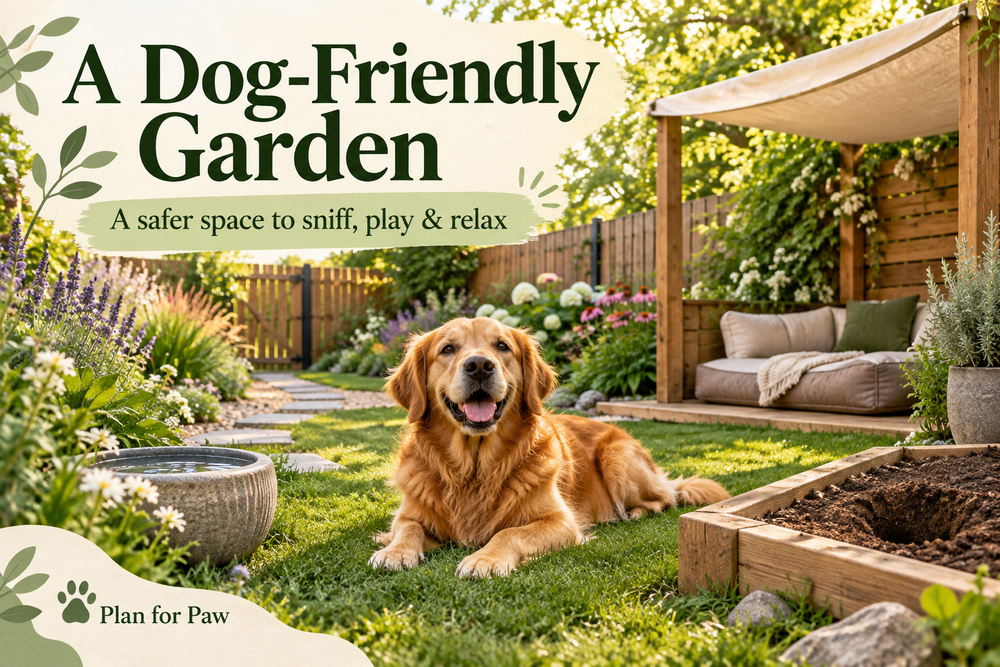 How to Set Up a Dog-Friendly GardenA garden can be a safe, interesting space for your dog — or a source of escapes, toxic plants and dug-up borders. Here is how to set one up for safety, comfort and enrichment.
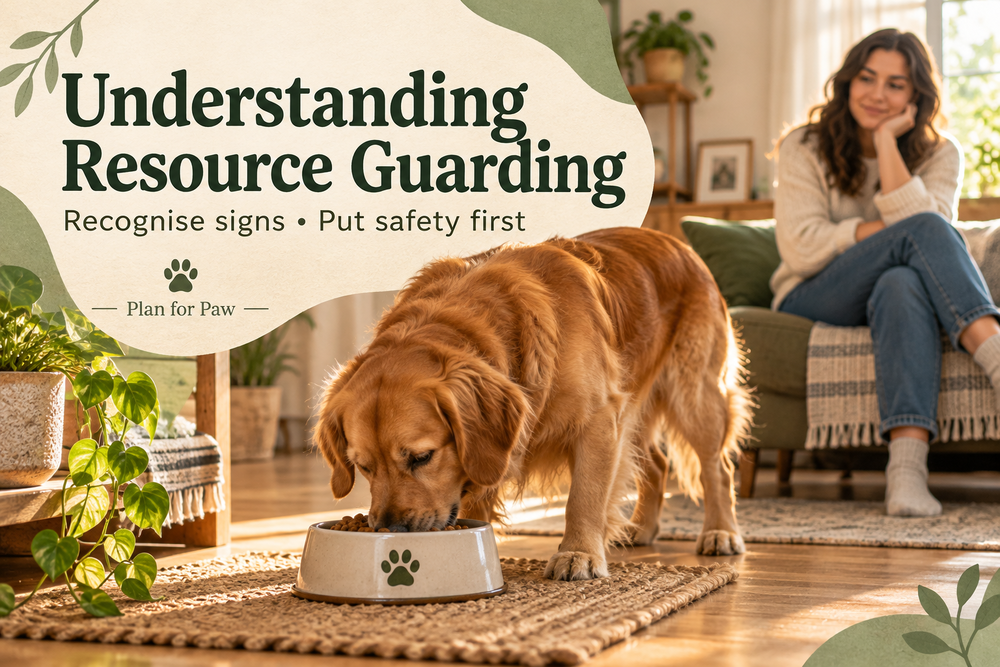 Resource Guarding in Dogs: Signs, Safety and What HelpsA dog that stiffens over the food bowl or growls when you approach a chew is guarding something it values. Here is how to recognise it early, keep everyone safe and what helps.
 How Lost Pets Actually Get Home — and How to Make Yours Easier to ReturnMost lost pets are found close to home by an ordinary person with a phone. What happens in the next few minutes decides how fast they get back. Here is how reunions really happen, and how to prepare.