

Beagle
Nose-first and heart-led — the scent hound that fits any family.
The Beagle is one of the most popular family dogs in the world, loved for its compact size, gentle temperament and expressive brown eyes. Originally bred as a pack hunting dog, Beagles are sociable, curious and incredibly scent-driven. They thrive in active families who can match their energy and provide plenty of off-lead sniffing time.
At a glance
- Origin
- England
- Size
- Small
- Weight
- 20–24 lb (9–11 kg)
- Lifespan
- 12–15 years
- Coat
- Short, dense, weather-resistant
- Colours
- Tri-colour (black, white, tan), Lemon & White, Red & White
Breed ratings
Rated 1–5 on the same scale as every other entry, so scores are comparable between breeds. Amber stars mark things that cost you effort rather than things that benefit you.
Diet & Feeding
Beagles are notorious food thieves and prone to obesity. Feed a measured portion of high-quality dry kibble twice daily — typically 200–280 g for an adult. Use a slow-feeder bowl to prevent gulping. Never leave food unattended; Beagles will counter-surf without hesitation. Avoid high-fat treats and table scraps.
Exercise Needs
Beagles need 60–90 minutes of exercise daily, including off-lead sniffing time in a securely fenced area. A Beagle that catches a scent will follow it single-mindedly — recall training is essential but never fully reliable, so secure fencing is non-negotiable. Nose work and scent games are excellent mental outlets.
Grooming
The short, dense coat needs only a weekly brush with a hound mitt to remove dead hair. Beagles shed moderately year-round. Their long, floppy ears trap moisture and debris — check and clean weekly with a vet-approved ear cleaner to prevent infections. Trim nails every 3–4 weeks.
Health & Vet Care
Beagles are generally healthy but prone to obesity, ear infections, epilepsy and hypothyroidism. Their love of food means weight monitoring is a lifelong task. Annual vet check-ups, regular ear inspections and dental care are important. Choose a breeder who screens for hereditary epilepsy.
Training Tips
Beagles are intelligent but independently minded — when a scent catches their attention, all training goes out the window. Use high-value treats (they are very food-motivated) and keep sessions short and engaging. A strong recall taught from puppyhood in a safe enclosed space is your most important investment. Punishment-based methods backfire badly with this sensitive breed.
Read next
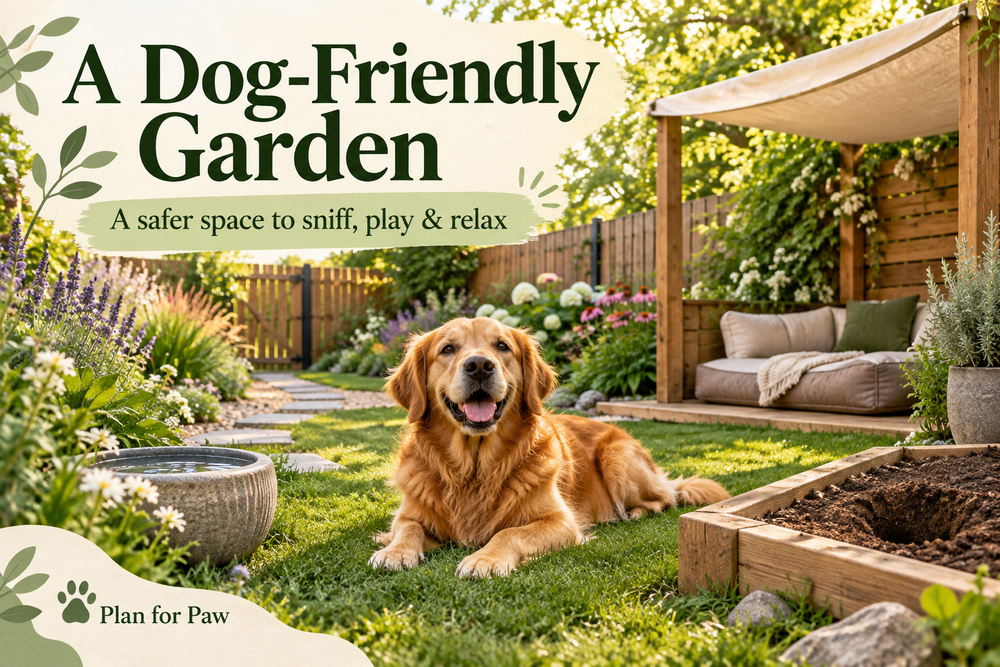 How to Set Up a Dog-Friendly GardenA garden can be a safe, interesting space for your dog — or a source of escapes, toxic plants and dug-up borders. Here is how to set one up for safety, comfort and enrichment.
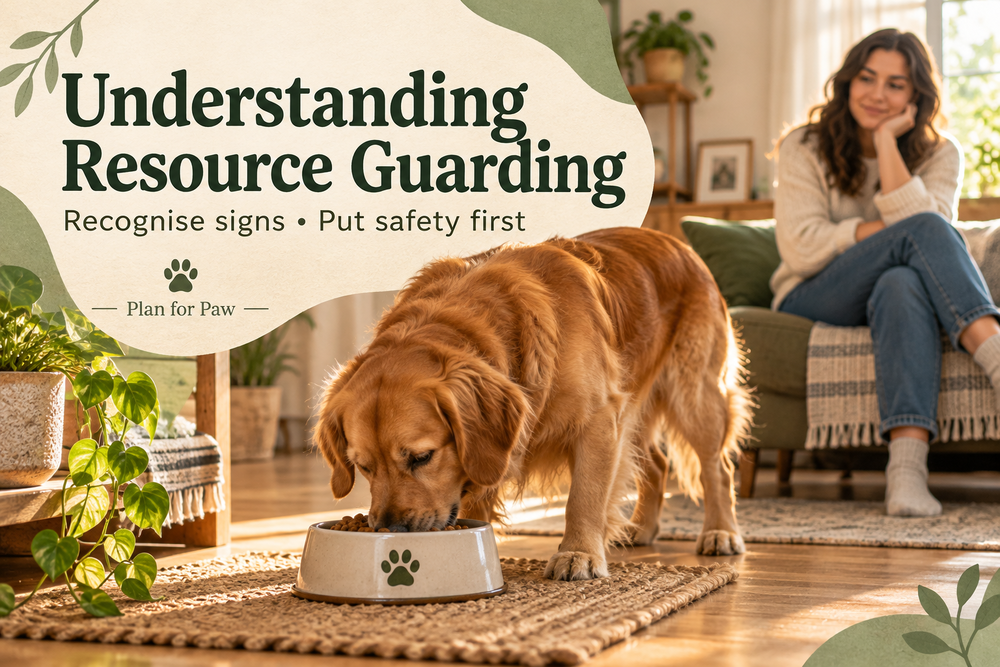 Resource Guarding in Dogs: Signs, Safety and What HelpsA dog that stiffens over the food bowl or growls when you approach a chew is guarding something it values. Here is how to recognise it early, keep everyone safe and what helps.
 How Lost Pets Actually Get Home — and How to Make Yours Easier to ReturnMost lost pets are found close to home by an ordinary person with a phone. What happens in the next few minutes decides how fast they get back. Here is how reunions really happen, and how to prepare.