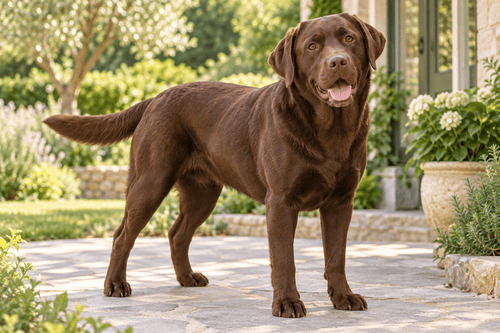
Labrador Retriever
The world's most beloved family dog — loyal, playful and endlessly gentle.
The Labrador Retriever has topped popularity charts for decades and for good reason. Friendly with children, strangers and other pets, Labs bring boundless energy and warmth to any home. They thrive on human companionship and excel as guide dogs, therapy dogs and loyal family companions.
At a glance
- Origin
- Canada
- Size
- Large
- Weight
- 55–79 lb (25–36 kg)
- Lifespan
- 10–12 years
- Coat
- Short, dense, water-resistant
- Colours
- Black, Yellow, Chocolate
Breed ratings
Rated 1–5 on the same scale as every other entry, so scores are comparable between breeds. Amber stars mark things that cost you effort rather than things that benefit you.
Diet & Feeding
Labs are notorious food lovers and prone to obesity. Feed a high-quality dry kibble twice a day — morning and evening. Measure portions carefully (typically 300–400 g per day for an adult) and avoid free-feeding. Limit treats to 10% of daily calories and never feed chocolate, grapes or onions.
Exercise Needs
Labs need at least 60–90 minutes of vigorous exercise daily. A combination of off-lead running, swimming and fetch sessions works best. Without sufficient exercise they can become destructive. Mental stimulation — puzzle feeders, training sessions — is equally important.
Grooming
Despite their short coat, Labs shed heavily, especially in spring and autumn. Brush weekly with a rubber curry brush or deshedding tool. Bathe every 6–8 weeks or after muddy adventures. Check and clean ears weekly to prevent infections, and trim nails every 3–4 weeks.
Health & Vet Care
Common conditions include hip and elbow dysplasia, obesity and eye problems. Annual vet check-ups, monthly heartworm prevention and keeping weight in a healthy range are essential. Puppies should be screened for hereditary conditions from reputable breeders.
Training Tips
Labs are among the easiest breeds to train thanks to their eagerness to please. Start obedience training at 8 weeks with positive reinforcement — treats and praise work wonders. Socialise widely in puppyhood to ensure calm, confident behaviour around strangers and other animals.
Read next
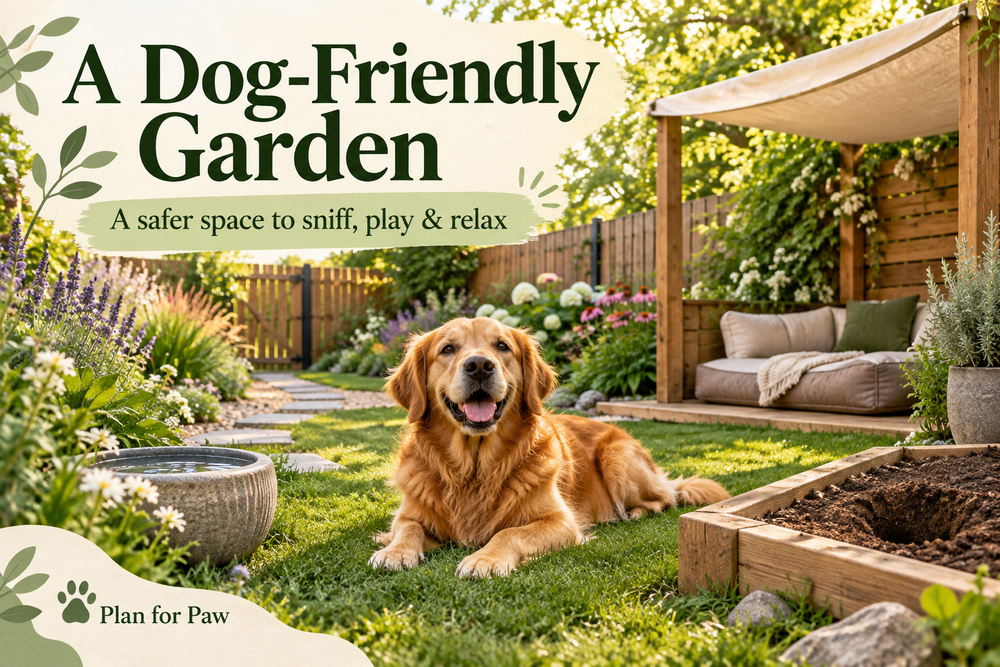 How to Set Up a Dog-Friendly GardenA garden can be a safe, interesting space for your dog — or a source of escapes, toxic plants and dug-up borders. Here is how to set one up for safety, comfort and enrichment.
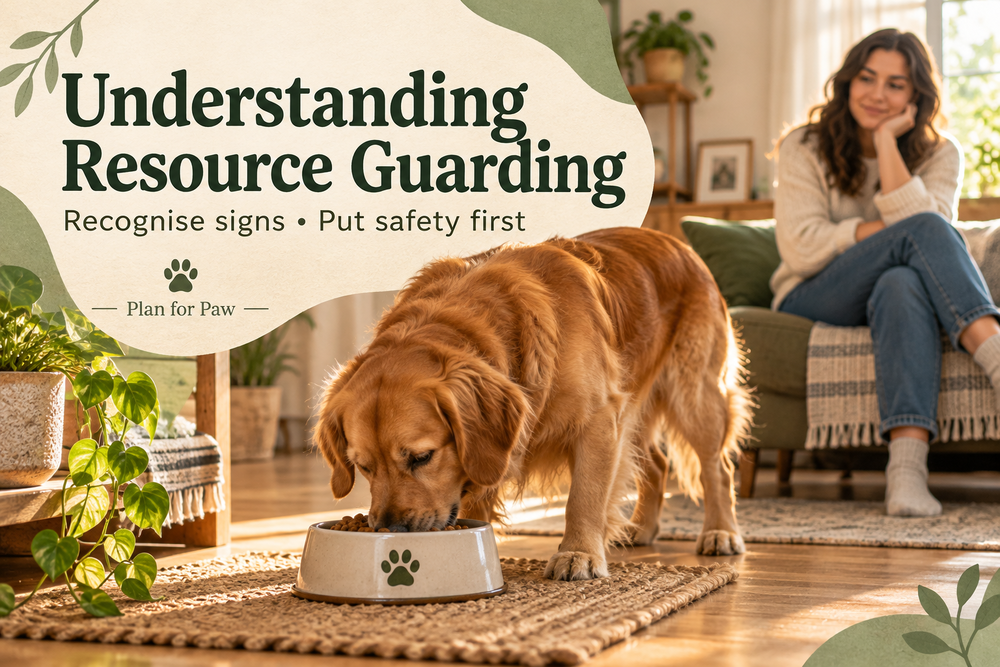 Resource Guarding in Dogs: Signs, Safety and What HelpsA dog that stiffens over the food bowl or growls when you approach a chew is guarding something it values. Here is how to recognise it early, keep everyone safe and what helps.
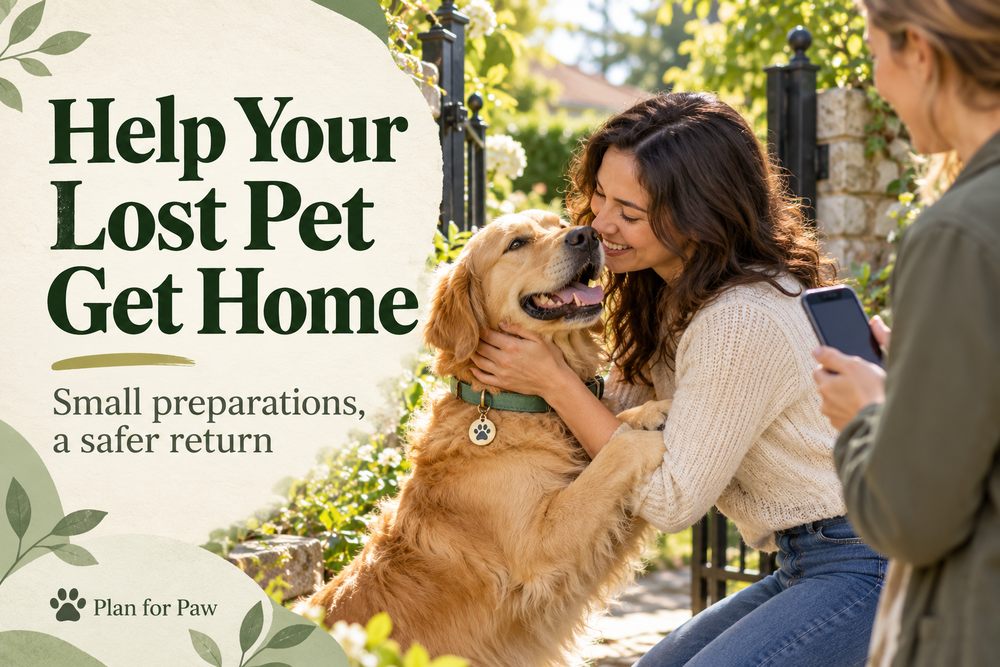 How Lost Pets Actually Get Home — and How to Make Yours Easier to ReturnMost lost pets are found close to home by an ordinary person with a phone. What happens in the next few minutes decides how fast they get back. Here is how reunions really happen, and how to prepare.