
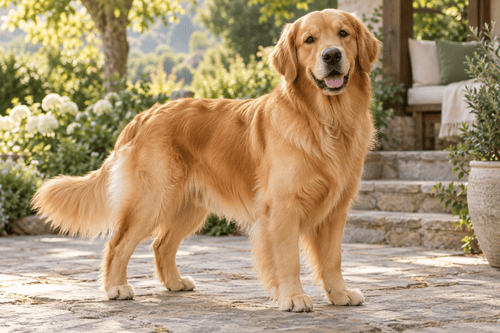
Golden Retriever
A sunshine-coloured companion with a heart of gold.
Golden Retrievers are celebrated for their warm, patient temperament and intelligence. Whether as a family pet, therapy dog or sporting companion, the Golden adapts effortlessly and loves everyone it meets. Their lush golden coat and happy-go-lucky attitude make them one of the most photographed breeds in the world.
At a glance
- Origin
- Scotland, UK
- Size
- Large
- Weight
- 55–75 lb (25–34 kg)
- Lifespan
- 10–12 years
- Coat
- Dense, water-repellent double coat
- Colours
- Cream, Gold, Dark Gold
Breed ratings
Rated 1–5 on the same scale as every other entry, so scores are comparable between breeds. Amber stars mark things that cost you effort rather than things that benefit you.
Diet & Feeding
Feed a balanced large-breed diet twice daily. Adult Goldens typically need 280–380 g of dry kibble per day, adjusted for activity level. They share Labs' love of food, so measure portions carefully. Foods rich in omega-3 fatty acids (salmon, sardines) help keep their coat gleaming.
Exercise Needs
Goldens require 60–90 minutes of daily exercise. They excel at swimming, hiking, fetch and agility. Puppies under 18 months should avoid high-impact exercise to protect developing joints — stick to shorter, gentler walks and play sessions.
Grooming
The Golden's double coat needs brushing 3–4 times a week to prevent matting, with daily brushing during shedding seasons (spring and autumn). Bathe every 4–6 weeks. Pay extra attention to the feathering on legs, chest and tail. Check ears weekly for moisture and wax build-up.
Health & Vet Care
Goldens are prone to hip dysplasia, cancer, heart disease and skin conditions. Regular vet visits, maintaining a healthy weight and choosing health-tested breeders reduce risk. Ask your vet about cardiac and hip screening from age 2.
Training Tips
Highly biddable and motivated by praise and treats, Goldens excel in obedience, rally and scent work. Start training early and keep sessions short (5–10 minutes) and positive. They can be easily distracted by scents outdoors, so a strong recall cue is essential.
Read next
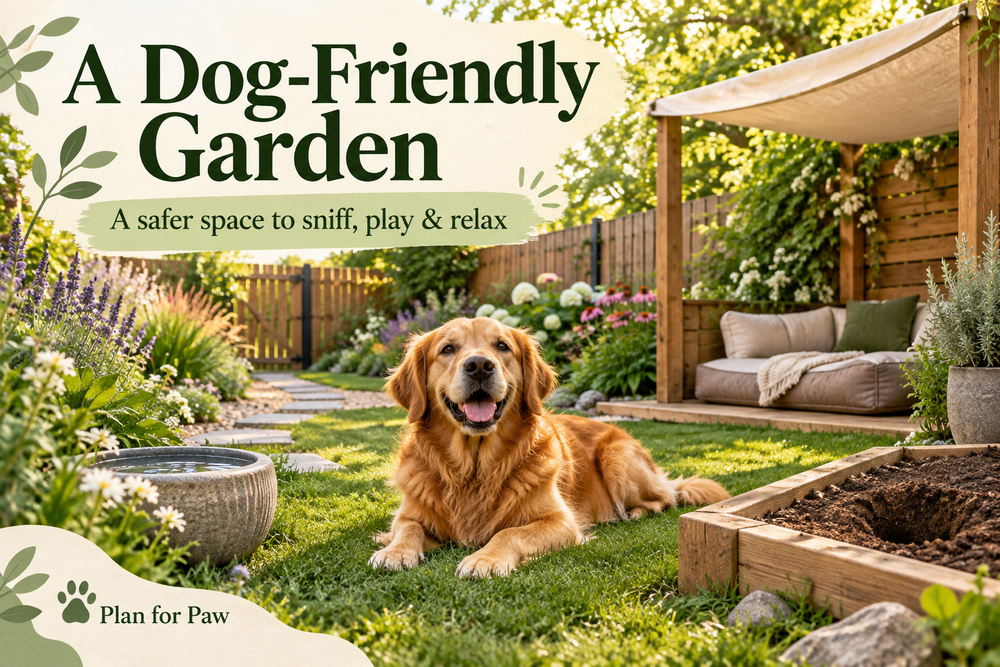 How to Set Up a Dog-Friendly GardenA garden can be a safe, interesting space for your dog — or a source of escapes, toxic plants and dug-up borders. Here is how to set one up for safety, comfort and enrichment.
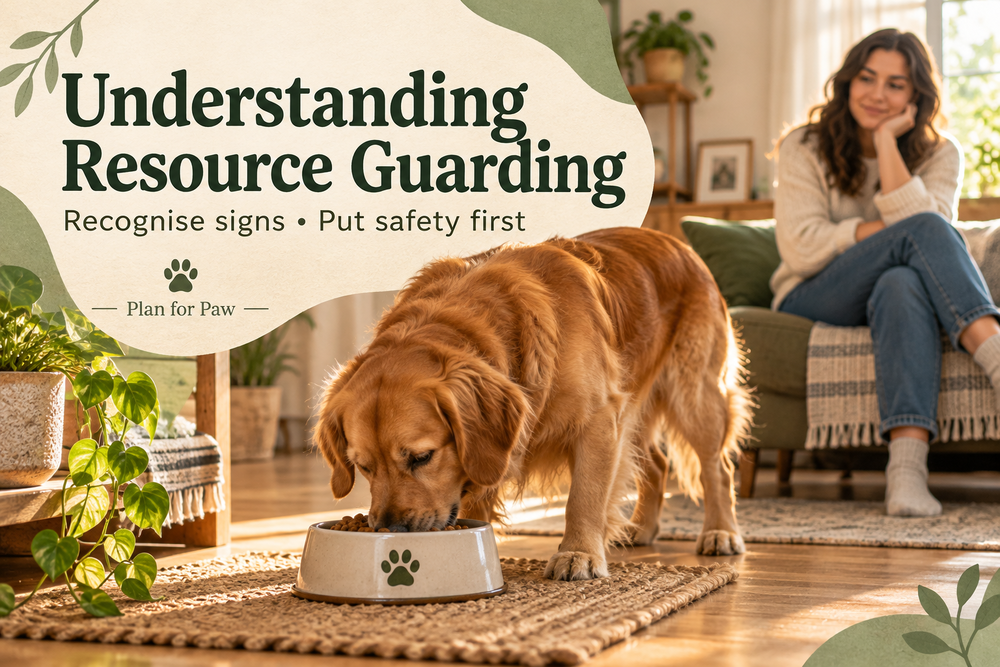 Resource Guarding in Dogs: Signs, Safety and What HelpsA dog that stiffens over the food bowl or growls when you approach a chew is guarding something it values. Here is how to recognise it early, keep everyone safe and what helps.
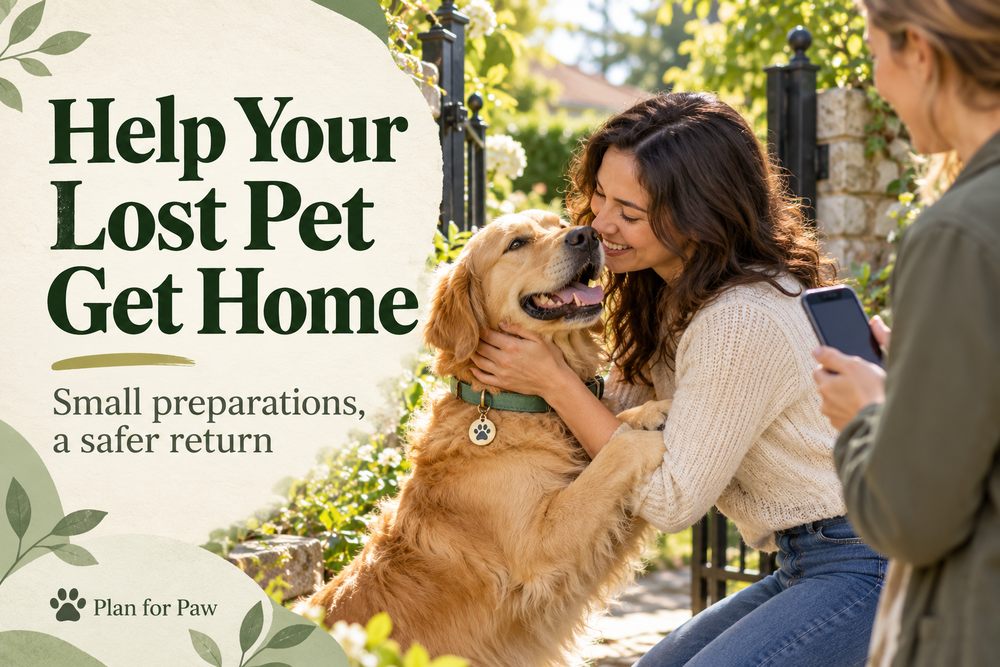 How Lost Pets Actually Get Home — and How to Make Yours Easier to ReturnMost lost pets are found close to home by an ordinary person with a phone. What happens in the next few minutes decides how fast they get back. Here is how reunions really happen, and how to prepare.