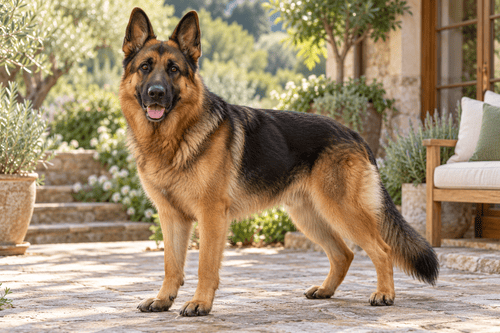
German Shepherd
Courageous, loyal and razor-sharp — the ultimate working dog.
The German Shepherd is one of the most versatile breeds ever developed, excelling in police work, search and rescue, herding and as a devoted family guardian. Their intelligence, work ethic and deep loyalty make them outstanding companions for active owners who can meet their considerable physical and mental needs.
At a glance
- Origin
- Germany
- Size
- Large
- Weight
- 49–88 lb (22–40 kg)
- Lifespan
- 9–13 years
- Coat
- Medium-length double coat
- Colours
- Black & Tan, Sable, Bi-colour, Solid Black
Breed ratings
Rated 1–5 on the same scale as every other entry, so scores are comparable between breeds. Amber stars mark things that cost you effort rather than things that benefit you.
Diet & Feeding
German Shepherds do best on a high-protein diet. Feed 2–3 cups of quality dry kibble twice daily, split into two meals to reduce bloat risk. Puppies need a large-breed puppy formula to support slow, steady bone growth. Supplement with omega-3s for skin and coat health.
Exercise Needs
This is an energetic working breed needing 2 hours of exercise daily — and not just walks. They excel at tracking, agility, Schutzhund and off-lead running. Without adequate outlet they can develop anxiety-driven behaviours like excessive barking or destructive chewing.
Grooming
GSDs have a thick double coat that sheds year-round and heavily twice a year ('blowing coat'). Brush 2–3 times a week minimum, daily during shedding season. Bathe every 6–8 weeks. Their nails grow quickly — trim every 3–4 weeks.
Health & Vet Care
The breed's main concerns are hip and elbow dysplasia, degenerative myelopathy and bloat (GDV). Choose a breeder who health-tests breeding stock. Keep weight lean to reduce joint stress and discuss bloat prevention with your vet.
Training Tips
German Shepherds are fast learners but require a consistent, confident handler. Use positive reinforcement alongside clear structure and boundaries. Start socialisation before 16 weeks — expose them to children, strangers, traffic and other animals. Early and ongoing training is non-negotiable for this breed.
Read next
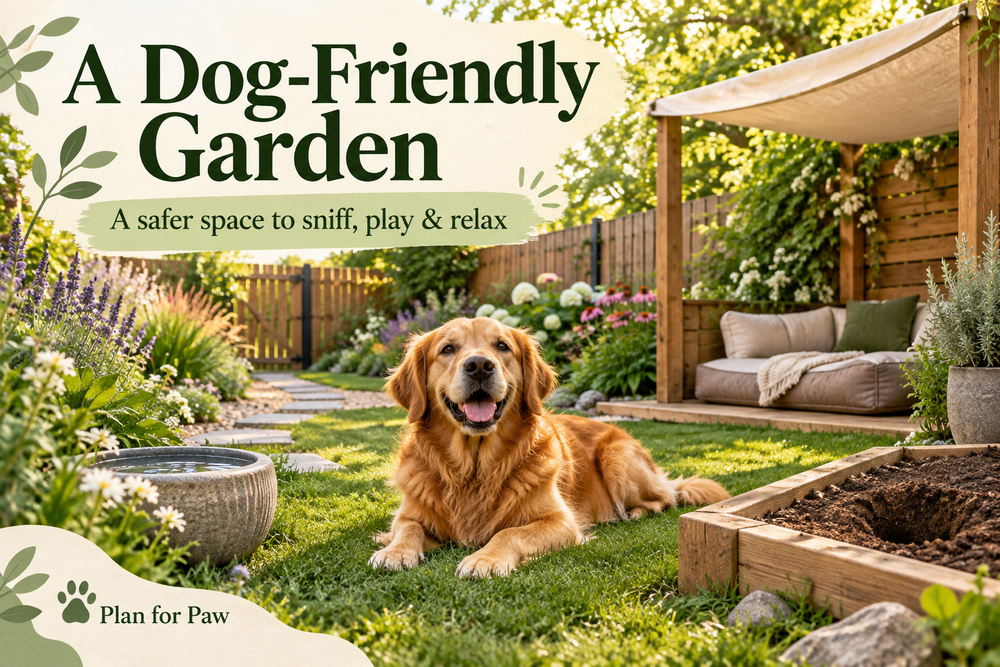 How to Set Up a Dog-Friendly GardenA garden can be a safe, interesting space for your dog — or a source of escapes, toxic plants and dug-up borders. Here is how to set one up for safety, comfort and enrichment.
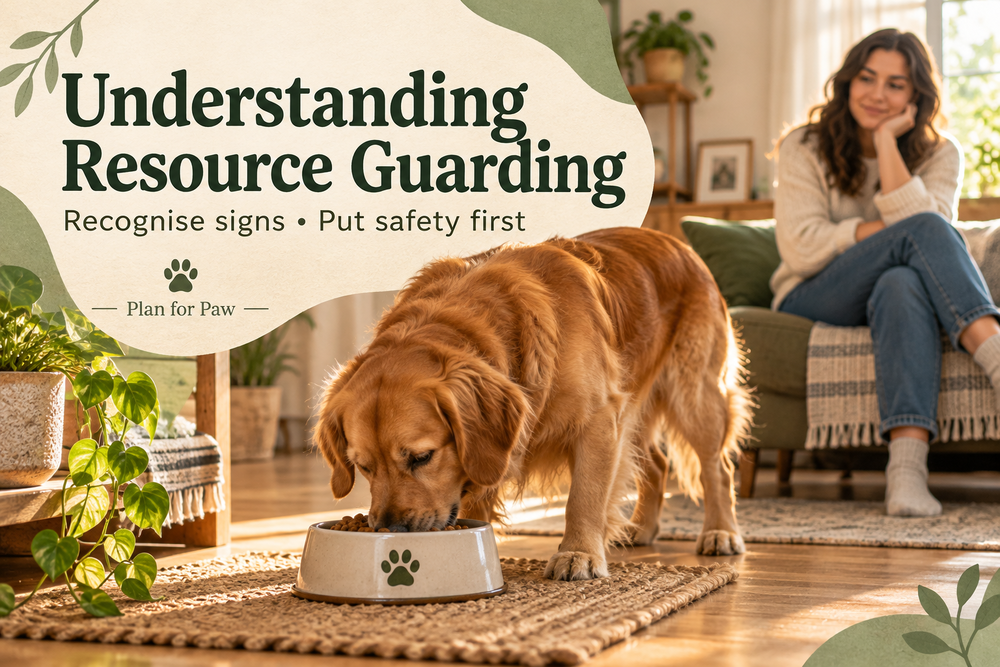 Resource Guarding in Dogs: Signs, Safety and What HelpsA dog that stiffens over the food bowl or growls when you approach a chew is guarding something it values. Here is how to recognise it early, keep everyone safe and what helps.
 How Lost Pets Actually Get Home — and How to Make Yours Easier to ReturnMost lost pets are found close to home by an ordinary person with a phone. What happens in the next few minutes decides how fast they get back. Here is how reunions really happen, and how to prepare.