
Lhasa Apso
Also known as: Lhasa, Apso
A Tibetan monastery sentinel — independent, dignified and wrapped in a heavy coat.
- Independent
- Confident
- Alert
- Loyal
- Reserved
The Lhasa Apso was bred in Tibet as an indoor watchdog for monasteries and palaces. Lhasas are confident, independent and alert, affectionate with their families but reserved with strangers. They are sturdy, long-lived small dogs with a heavy coat that needs regular care and a personality that needs respectful, consistent training.
At a glance
- Origin
- Tibet
- Breed group
- Non-Sporting / Utility
- Size
- Small
- Weight
- 11–18 lb (5–8 kg)
- Height
- 9.8–11 in (25–28 cm)
- Lifespan
- 12–15 years
- Coat
- Long, heavy, straight double coat
- Colours
- Gold, Cream, Honey, Grizzle, Black, Parti
- Average cost
- $70–$130 / month
Breed ratings
Rated 1–5 on the same scale as every other entry, so scores are comparable between breeds. Amber stars mark things that cost you effort rather than things that benefit you.
Temperament
Lhasas are devoted to family but reserved with strangers. They can be possessive and dislike rough handling.
Care & upkeep
Exercise
30–45 minutes of walks and play daily.
Grooming
Daily brushing for a full coat, or a puppy clip every 6–8 weeks. Wipe eyes daily.
Training
Independent and stubborn. Patience, rewards and early socialisation work best.
Feeding & diet
- Typical diet
- Measured small-breed diet
- Daily amount
- 110–180 g of dry food
- Meals per day
- 2 meals a day
Keep Lhasas lean and provide fresh water, given kidney risks in the breed.
Foods to avoid
- Chocolate
- Grapes and raisins
- Onion and garlic
- Xylitol
- Fatty table scraps
Who this breed suits
A good match for
- Apartments
- Adult households
- Older owners
- People wanting a watchdog
Probably not for
- Homes with toddlers
- Owners unwilling to groom
- People wanting an obedient dog
Common health problems
This section describes conditions the breed is known to be predisposed to, so you know what to ask about. It is not veterinary advice and is not a diagnosis — always speak to a vet about your own animal.
- Eye conditionsDry eye, cherry eye and progressive retinal atrophy occur.
- Renal dysplasiaAn inherited kidney disease — ask breeders about family history.
- Patellar luxationSlipping kneecaps.
- Skin allergiesItching and skin infections are common.
- Intervertebral disc diseaseThe long back carries some spinal risk.
Long-lived. Eye and kidney health are the areas to monitor.
Interesting facts
- Named after Lhasa, the holy city of Tibet.
- Traditionally given as gifts by the Dalai Lama.
- Kept as indoor sentinels to alert monks to visitors.
Diet & Feeding
Feed around 110–180 g of quality small-breed food daily across two meals. Lhasas can gain weight easily. Keep them lean and count treats. Kidney problems occur in the breed, so keep fresh water available.
Exercise Needs
About 30–45 minutes daily of walks and play. Lhasas are not hyperactive but enjoy exploring. They cope well with apartment life.
Grooming
A full coat needs daily brushing down to the skin. Most owners choose a puppy clip every 6–8 weeks, needing brushing every few days. Wipe the eyes daily and keep hair out of them. Check ears weekly.
Health & Vet Care
Watch for eye conditions (dry eye, progressive retinal atrophy, cherry eye), renal dysplasia, patellar luxation, skin allergies and intervertebral disc disease. Ask breeders for eye screening and kidney history.
Training Tips
Lhasas are intelligent but independent and sometimes stubborn. Use patient, reward-based training. Socialise early, as they are naturally suspicious of strangers, and teach children not to grab them — some Lhasas dislike rough handling.
Read next
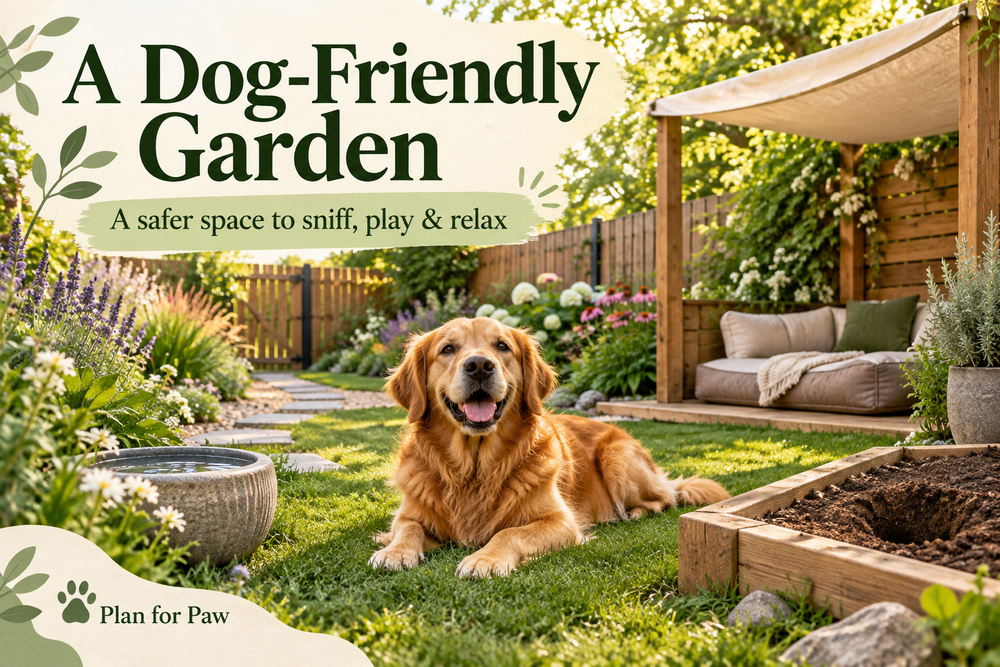 How to Set Up a Dog-Friendly GardenA garden can be a safe, interesting space for your dog — or a source of escapes, toxic plants and dug-up borders. Here is how to set one up for safety, comfort and enrichment.
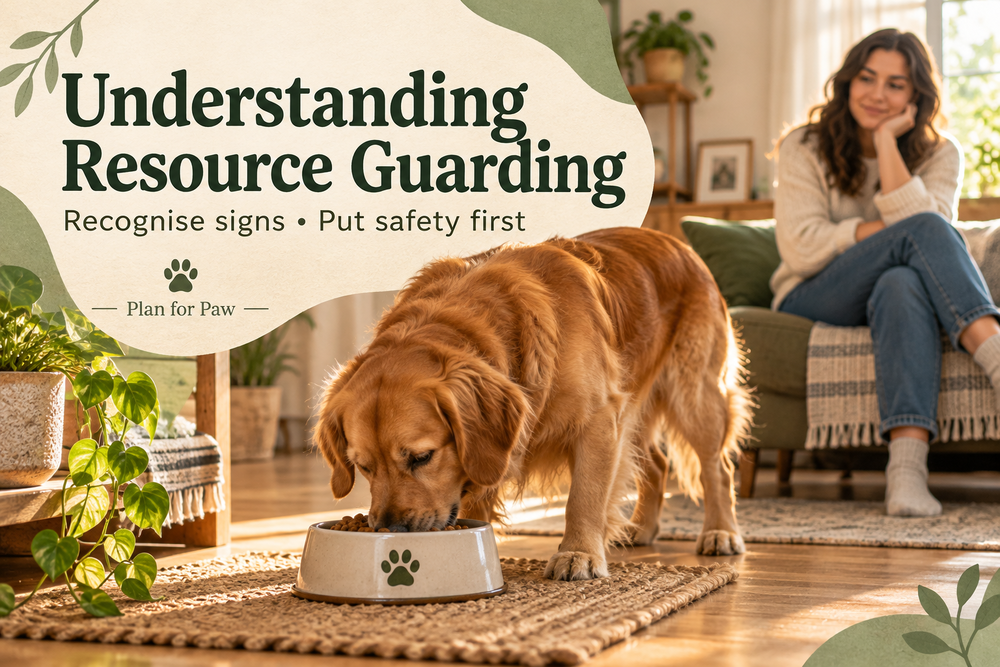 Resource Guarding in Dogs: Signs, Safety and What HelpsA dog that stiffens over the food bowl or growls when you approach a chew is guarding something it values. Here is how to recognise it early, keep everyone safe and what helps.
 How Lost Pets Actually Get Home — and How to Make Yours Easier to ReturnMost lost pets are found close to home by an ordinary person with a phone. What happens in the next few minutes decides how fast they get back. Here is how reunions really happen, and how to prepare.