
Bichon Frise
Also known as: Bichon, Bichon à poil frisé
A cheerful powder puff with a sturdy body and a coat that never stops growing.
- Cheerful
- Affectionate
- Playful
- Gentle
- Sociable
The Bichon Frise is a small, merry companion breed from the Mediterranean, prized for its white corkscrew coat and its relentlessly happy outlook. Bichons are friendly with everyone, adaptable to apartment life and low-shedding, which makes them popular with allergy-sensitive households. The trade-off is grooming: that coat needs professional care for life, and house-training can test your patience.
At a glance
- Origin
- Mediterranean / France
- Breed group
- Toy / Companion
- Size
- Small
- Weight
- 11–18 lb (5–8 kg)
- Height
- 9.1–11.8 in (23–30 cm)
- Lifespan
- 14–16 years
- Coat
- Double coat — soft undercoat with a curly outer coat
- Colours
- White, White with cream, White with apricot
- Average cost
- $70–$130 / month
Breed ratings
Rated 1–5 on the same scale as every other entry, so scores are comparable between breeds. Amber stars mark things that cost you effort rather than things that benefit you.
Temperament
Bichons are friendly with everyone, including strangers, children and other pets. They bond closely and do poorly when left alone for long periods.
Care & upkeep
Exercise
Two walks of 20–30 minutes plus indoor play. Bichons are playful rather than athletic, and company matters to them more than distance.
Grooming
Brush to the skin 3–4 times a week and book a professional groom every 4–6 weeks. Wipe the eyes daily to control tear staining.
Training
Bright and food-motivated. House-training is the slow part and needs a strict routine. Build alone-time gradually from puppyhood to prevent separation anxiety.
Feeding & diet
- Typical diet
- Measured small-breed diet
- Daily amount
- 100–170 g of dry food
- Meals per day
- 2 meals a day
Bichons gain weight easily and the coat hides it. Measure portions, count treats and encourage water intake given the breed tendency to bladder stones.
Foods to avoid
- Chocolate
- Grapes and raisins
- Onion and garlic
- Xylitol
- Fatty table scraps
Who this breed suits
A good match for
- Apartments
- Allergy-sensitive households
- Families with children
- First-time owners
Probably not for
- Owners away all day
- People unwilling to budget for grooming
- Households wanting a guard dog
Common health problems
This section describes conditions the breed is known to be predisposed to, so you know what to ask about. It is not veterinary advice and is not a diagnosis — always speak to a vet about your own animal.
- Allergies and itchy skinCommon in the breed. Persistent scratching or paw-licking warrants a vet visit rather than repeated shampoos.
- Bladder stonesBichons are predisposed. Encourage water intake and watch for straining or blood in the urine.
- Patellar luxationSlipping kneecaps, common in small breeds.
- Dental diseaseCrowded teeth in a small jaw. Home brushing makes a real difference.
- CataractsCan appear in middle and older age. Ask breeders for eye screening.
A long-lived breed that often reaches 15 or 16. Dental care and skin management across that span make the biggest difference to quality of life.
Interesting facts
- Popular with sailors and later with European royalty during the Renaissance.
- Once a circus and street performer's dog in France, thanks to its trainability.
- The coat is hair rather than fur and grows continuously.
Diet & Feeding
Feed around 100–170 g of quality small-breed food daily across two meals. Bichons are enthusiastic eaters and gain weight easily, and the fluffy coat hides it well, so check condition by hand monthly. Some Bichons develop bladder stones, so encourage water intake and discuss diet with your vet if there is any history. Tear staining is common in white breeds; a consistent diet and daily face wiping help more than switching foods repeatedly.
Exercise Needs
Two walks of 20–30 minutes plus indoor play meet a Bichon's needs. They are playful rather than athletic and enjoy trick training, short agility courses and games of fetch in the house. They adapt well to apartment life but genuinely dislike being left alone, so exercise matters less than company.
Grooming
This is the real commitment. The coat grows continuously and mats quickly without brushing down to the skin 3–4 times a week, plus a professional groom every 4–6 weeks. Most owners keep a shorter pet trim. Wipe the eyes daily to manage tear staining, clean ears weekly and trim nails every three weeks. Bichons shed very little, which is why they suit many allergy-sensitive homes.
Health & Vet Care
Generally a robust, long-lived breed. Watch for allergies and itchy skin, bladder stones, patellar luxation, dental disease and cataracts in older dogs. Brush teeth several times a week from puppyhood. Ask breeders for eye and patella screening of the parents.
Training Tips
Bichons are bright, eager and food-motivated, and most training comes easily. The exception is house-training, which is often slow — a strict schedule, frequent trips outside and patience are essential. Build alone-time gradually from puppyhood, because separation anxiety is common in the breed. Keep methods gentle and reward-based.
Read next
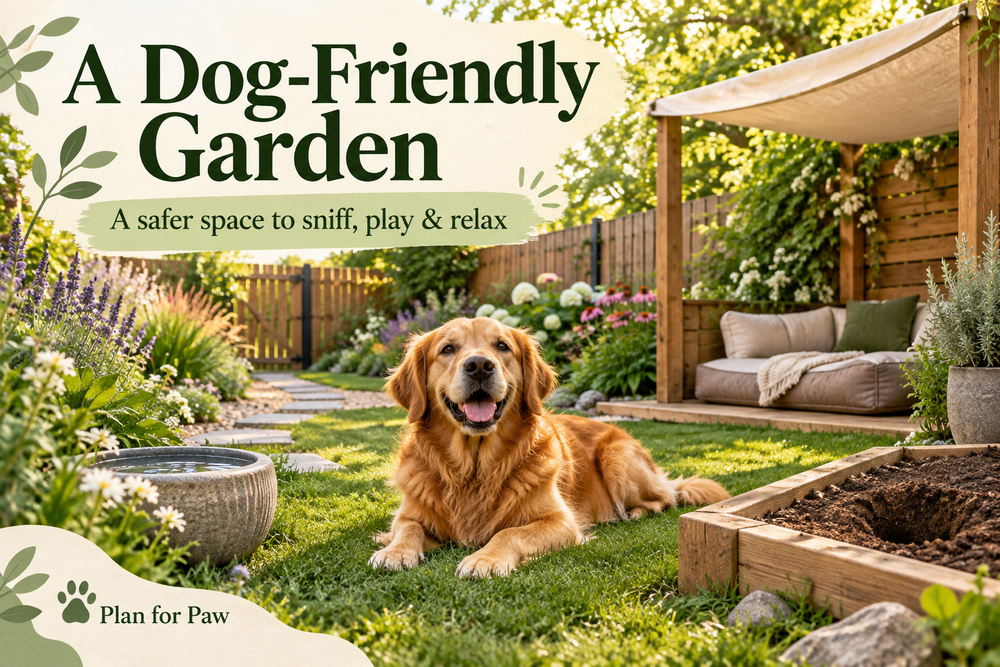 How to Set Up a Dog-Friendly GardenA garden can be a safe, interesting space for your dog — or a source of escapes, toxic plants and dug-up borders. Here is how to set one up for safety, comfort and enrichment.
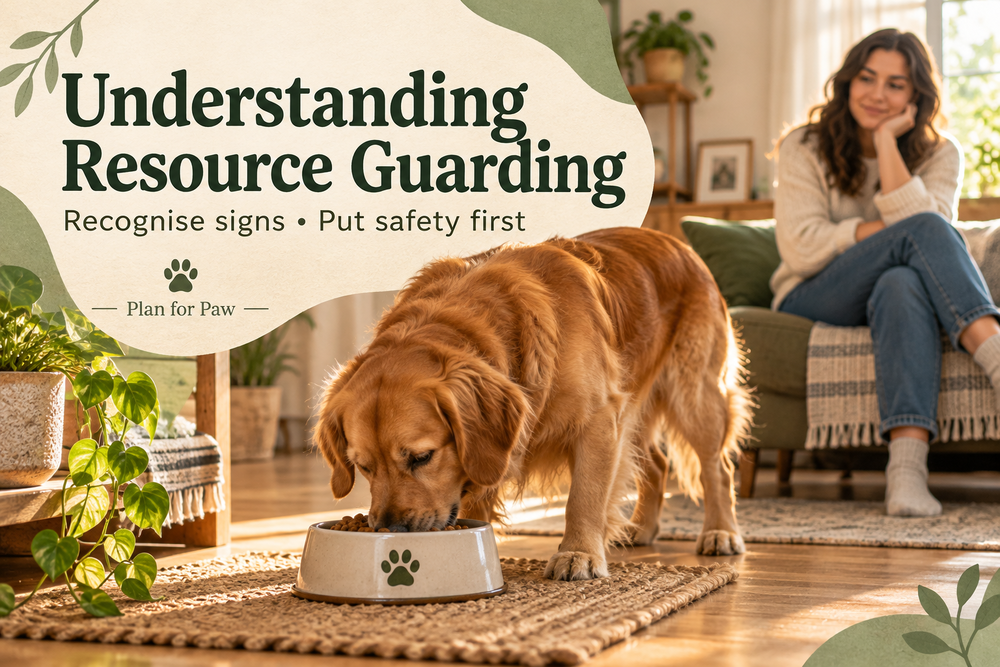 Resource Guarding in Dogs: Signs, Safety and What HelpsA dog that stiffens over the food bowl or growls when you approach a chew is guarding something it values. Here is how to recognise it early, keep everyone safe and what helps.
 How Lost Pets Actually Get Home — and How to Make Yours Easier to ReturnMost lost pets are found close to home by an ordinary person with a phone. What happens in the next few minutes decides how fast they get back. Here is how reunions really happen, and how to prepare.