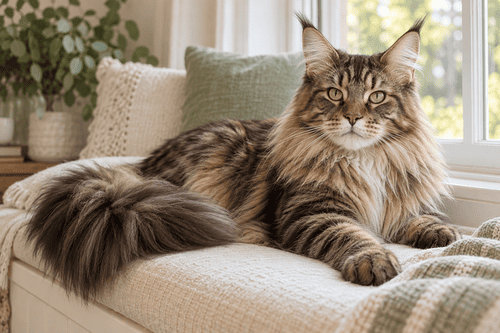
Maine Coon
The gentle giant of the cat world — fluffy, friendly and fascinatingly dog-like.
Maine Coons are the largest domestic cat breed and among the most beloved. Known as 'dog-cats' for their playful, loyal and sometimes leash-walkable nature, they get along beautifully with children, dogs and other cats. Their thick, tufted coat and impressive size are matched by an equally big, affectionate personality.
At a glance
- Origin
- Maine, USA
- Size
- Large
- Weight
- 9–22 lb (4–10 kg)
- Lifespan
- 12–15 years
- Coat
- Semi-long, silky, water-resistant
- Colours
- Almost all colours and patterns, tabby most common
Breed ratings
Rated 1–5 on the same scale as every other entry, so scores are comparable between breeds. Amber stars mark things that cost you effort rather than things that benefit you.
Diet & Feeding
Maine Coons grow slowly and are not fully mature until age 3–4. Feed a large-breed or high-protein formula to support muscle development. Wet food twice daily is ideal, with dry food available. Watch for overeating — males especially can reach 9–10 kg. Joint supplements (glucosamine) can be beneficial from middle age.
Exercise & Play
Maine Coons are active and playful well into adulthood. Provide large cat trees, tunnels and wand toys for daily interactive play (two 15-minute sessions minimum). Many walk happily on a harness. They are strong jumpers and climbers — ensure all climbing structures are secure and cat-proofed.
Grooming
Their semi-long coat needs brushing 2–3 times a week to prevent tangles, focusing on the undercoat. The belly and behind the ears are most prone to matting. Bathe every 4–6 weeks. Ear tufts can trap debris — clean ears monthly. Trim nails every 3 weeks. Dental care (brushing or dental chews) prevents tartar build-up.
Health & Vet Care
Maine Coons are prone to hypertrophic cardiomyopathy (HCM) — a hereditary heart condition. Ask breeders for HCM-negative cardiac screening certificates. They can also develop spinal muscular atrophy (SMA) and hip dysplasia. Annual cardiac screening from age 2 is recommended. Pet insurance is wise given their lifespan and size.
Living with a Maine Coon
Maine Coons are sociable, adaptable and entertaining. They chirp and trill rather than meow loudly. They love water — many play in sinks or water fountains. They do well in families with children and dogs and hate being left alone for long periods. Their intelligence means they quickly learn routines, doors and even names.
Read next
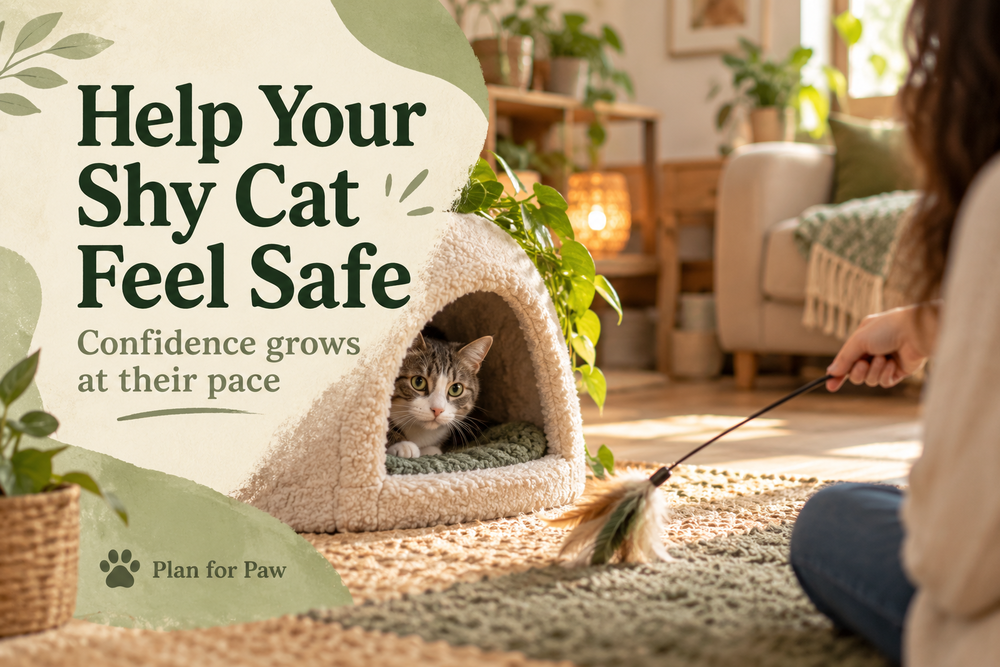 How to Help a Shy or Fearful Cat Gain ConfidenceA cat that hides when anyone comes in is not unfriendly — it is frightened. Here is how to build a shy cat's confidence with safe spaces, predictable routines and letting the cat set the pace.
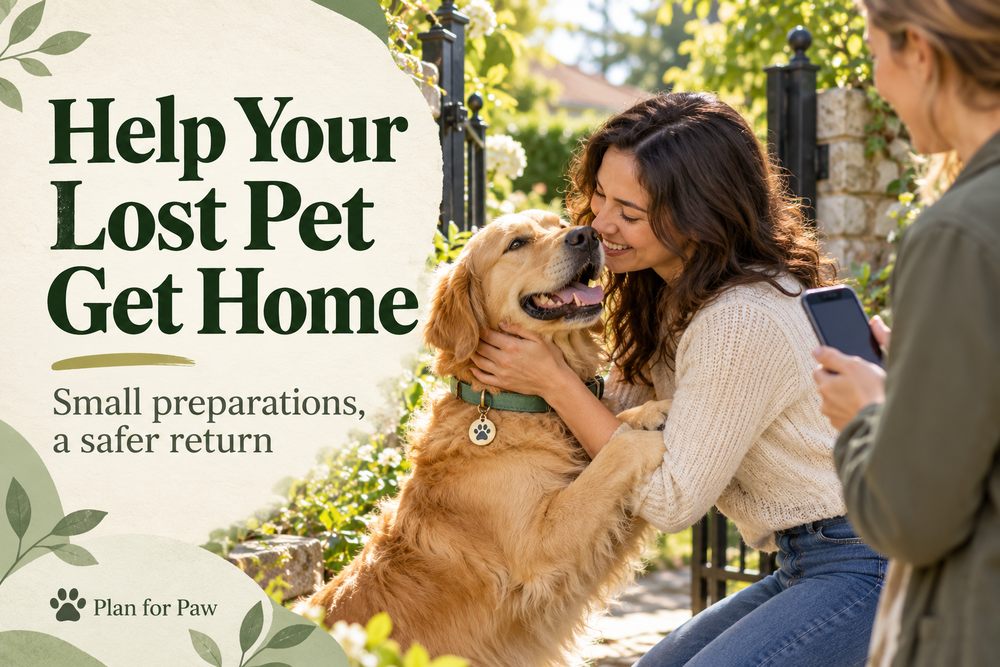 How Lost Pets Actually Get Home — and How to Make Yours Easier to ReturnMost lost pets are found close to home by an ordinary person with a phone. What happens in the next few minutes decides how fast they get back. Here is how reunions really happen, and how to prepare.
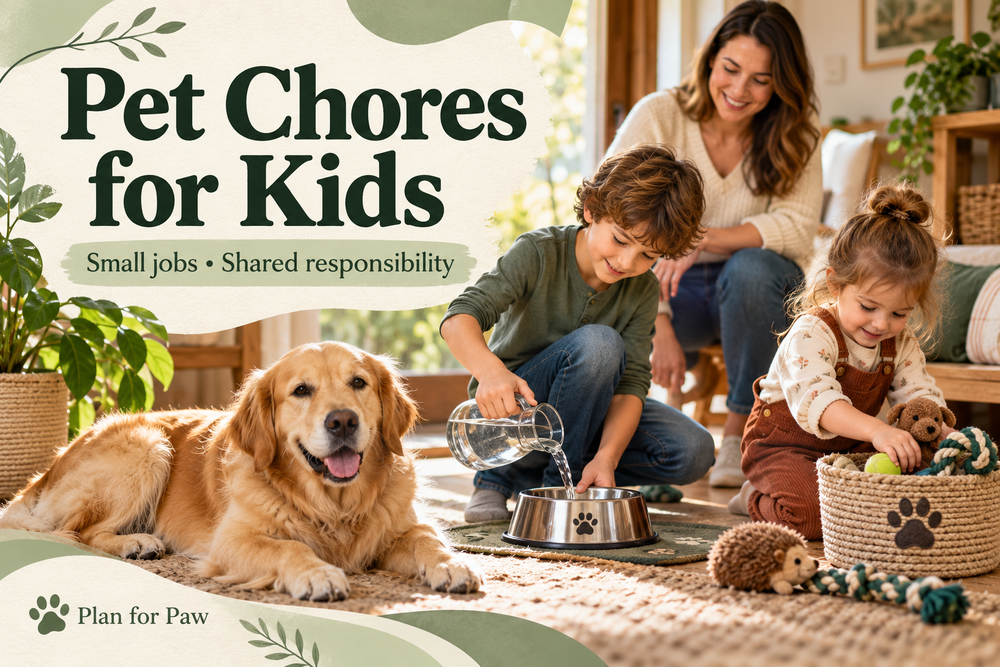 Pet Chores for Kids by Age: A Family Guide That Actually WorksChildren can genuinely help look after a family pet — with the right jobs for their age and adult supervision. Here are age-appropriate pet chores, safety rules and a simple chart to keep it on track.