
American Curl
Also known as: Curl
Backward-curled ears and a playful nature that lasts a lifetime.
- Playful
- Affectionate
- Curious
- Adaptable
- Friendly
The American Curl is known for its distinctive ears that curl backward. The breed began from a stray kitten found in California in 1981. Curls are affectionate, playful and adaptable, often described as staying kitten-like throughout life.
At a glance
- Origin
- United States
- Size
- Small
- Weight
- 6–10 lb (2.5–4.5 kg)
- Lifespan
- 12–16 years
- Coat
- Short or semi-long, silky
- Colours
- All colours and patterns
- Average cost
- $55–$100 / month
Breed ratings
Rated 1–5 on the same scale as every other entry, so scores are comparable between breeds. Amber stars mark things that cost you effort rather than things that benefit you.
Temperament
Curls are friendly and playful, getting along with people and pets.
Care & upkeep
Exercise
Two 15-minute play sessions daily.
Grooming
Brush weekly or twice weekly. Never force the ears flat.
Training
Curious and trainable with play-based rewards.
Feeding & diet
- Typical diet
- High-protein wet-led diet
- Daily amount
- 150–220 g wet food, or equivalent
- Meals per day
- 2 meals a day
Measure portions and monitor weight.
Foods to avoid
- Onion and garlic
- Chocolate
- Grapes and raisins
- Raw dough
- Milk
Who this breed suits
A good match for
- Families with children
- Multi-pet homes
- Apartments
Probably not for
- Owners wanting a calm, independent cat
Common health problems
This section describes conditions the breed is known to be predisposed to, so you know what to ask about. It is not veterinary advice and is not a diagnosis — always speak to a vet about your own animal.
- Ear infectionsThe curled ears need gentle, careful cleaning.
- Dental diseaseBrush teeth regularly.
Handle the ears gently to avoid damaging the cartilage.
Interesting facts
- The breed began with a stray named Shulamith in 1981.
- Kittens are born with straight ears.
- The curl is caused by a dominant gene.
Diet & Feeding
Feed around 150–220 g of quality wet food daily across two meals. Monitor weight monthly.
Exercise & Play
Two 15-minute play sessions daily. Curls are playful and curious and enjoy interactive toys.
Grooming
Brush weekly (short coat) or twice weekly (long coat). Handle the ears gently — the cartilage is firm and can be damaged if forced flat. Clean ears carefully.
Health & Vet Care
Generally healthy. Watch for ear infections and dental disease. Kittens are born with straight ears that curl within days.
Living with a American Curl
American Curls are friendly, adaptable and good with children and other pets.
Read next
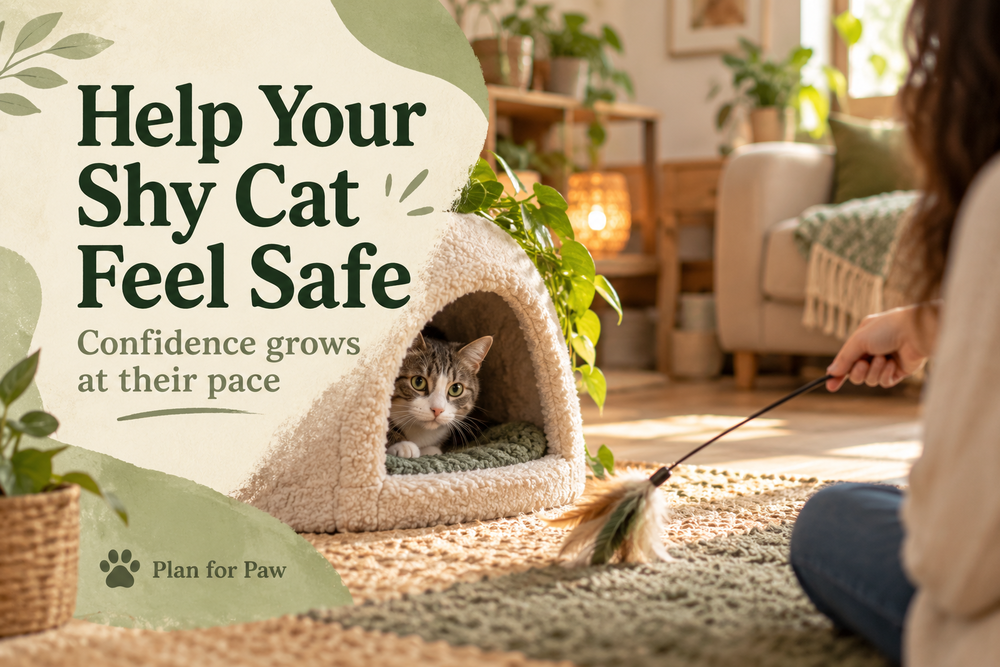 How to Help a Shy or Fearful Cat Gain ConfidenceA cat that hides when anyone comes in is not unfriendly — it is frightened. Here is how to build a shy cat's confidence with safe spaces, predictable routines and letting the cat set the pace.
 How Lost Pets Actually Get Home — and How to Make Yours Easier to ReturnMost lost pets are found close to home by an ordinary person with a phone. What happens in the next few minutes decides how fast they get back. Here is how reunions really happen, and how to prepare.
 Pet Chores for Kids by Age: A Family Guide That Actually WorksChildren can genuinely help look after a family pet — with the right jobs for their age and adult supervision. Here are age-appropriate pet chores, safety rules and a simple chart to keep it on track.