Abyssinian
Ancient, athletic and always in motion — the cat that never sits still.
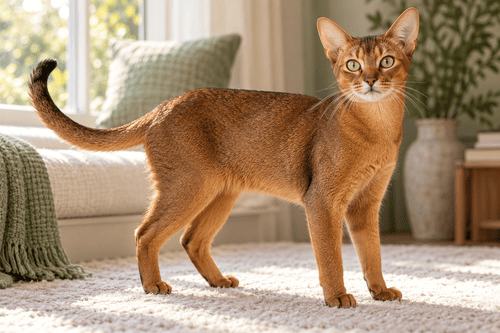
The Abyssinian is one of the oldest known cat breeds and one of the most striking — with a ticked tabby coat that glows like a wild cat's. Highly active, deeply curious and intensely interactive, Abyssinians are not lap cats. They are perpetual explorers who need constant stimulation and thrive on play, puzzle-solving and close bonds with their owners.
At a glance
- Origin
- Ethiopia (Abyssinia) / possibly Southeast Asia
- Size
- Medium
- Weight
- 6–11 lb (2.7–4.9 kg)
- Lifespan
- 14–17 years
- Coat
- Short, fine, ticked tabby coat
- Colours
- Ruddy (warm orange-brown), Red (cinnamon), Blue, Fawn
Breed ratings
Rated 1–5 on the same scale as every other entry, so scores are comparable between breeds. Amber stars mark things that cost you effort rather than things that benefit you.
Diet & Feeding
Abyssinians are lean, athletic cats with high energy requirements. Feed a high-protein wet food twice daily and avoid calorie-heavy dry-food-only diets. They rarely become obese due to their activity levels, but monitor weight in less active older cats. Omega-3 supplementation supports their fine, gleaming coat. Always provide fresh running water — a fountain is preferred.
Exercise & Play
Abyssinians need 45–60 minutes of active play daily and will initiate it if you don't. They are exceptional climbers and jumpers — tall cat trees, wall-mounted shelves and window perches are essential. Interactive wand toys, puzzle feeders and even harness walks suit their exploratory nature. They thrive with a feline companion of similar energy.
Grooming
The short, ticked coat is virtually maintenance-free. A weekly wipe with a rubber grooming glove removes dead hair and keeps the coat gleaming. Abyssinians rarely need bathing. Clean ears monthly and trim nails every 2–3 weeks. Their dental health deserves attention — tooth resorption is seen in the breed, so annual dental checks are worthwhile.
Health & Vet Care
Abyssinians can be prone to progressive retinal atrophy (PRA-rdAc) — a hereditary blindness; responsible breeders DNA-test for this. They are also susceptible to renal amyloidosis (a kidney condition), hyperesthesia syndrome and tooth resorption. Annual vet check-ups including dental examination and kidney function screening from middle age are advised.
Living with an Abyssinian
Abyssinians are not for owners seeking a quiet, low-maintenance cat. They are vocal, busy and extremely curious — they will investigate every bag, box and visitor. They do not tolerate long periods alone and can develop anxiety without stimulation. They are deeply loyal to their people but prefer interaction on their own terms rather than being held. Their intelligence and agility make them fascinating, if exhausting, companions.
Read next
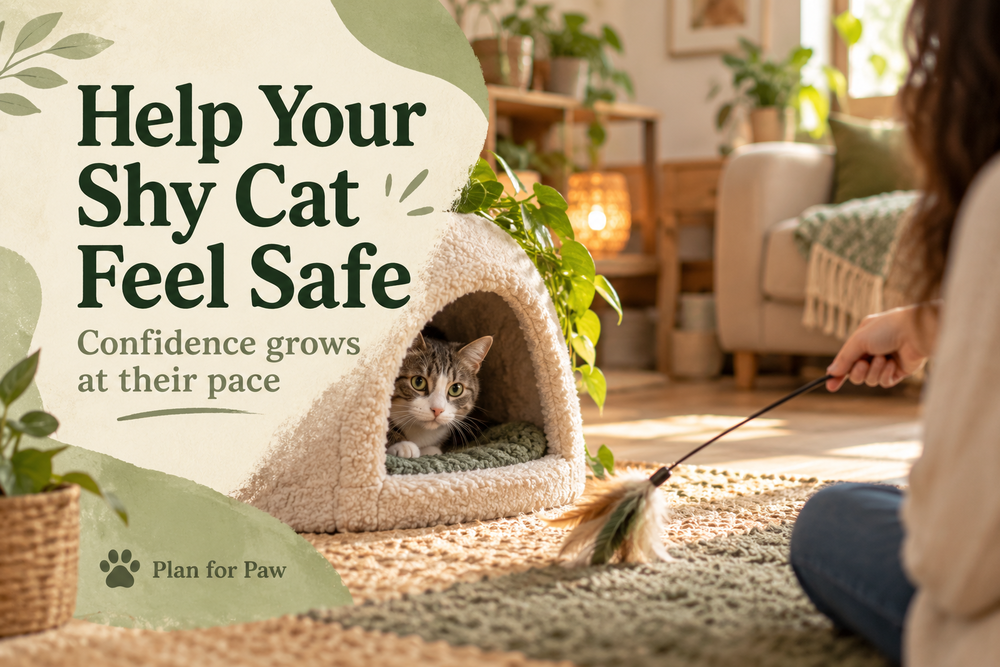 How to Help a Shy or Fearful Cat Gain ConfidenceA cat that hides when anyone comes in is not unfriendly — it is frightened. Here is how to build a shy cat's confidence with safe spaces, predictable routines and letting the cat set the pace.
 How Lost Pets Actually Get Home — and How to Make Yours Easier to ReturnMost lost pets are found close to home by an ordinary person with a phone. What happens in the next few minutes decides how fast they get back. Here is how reunions really happen, and how to prepare.
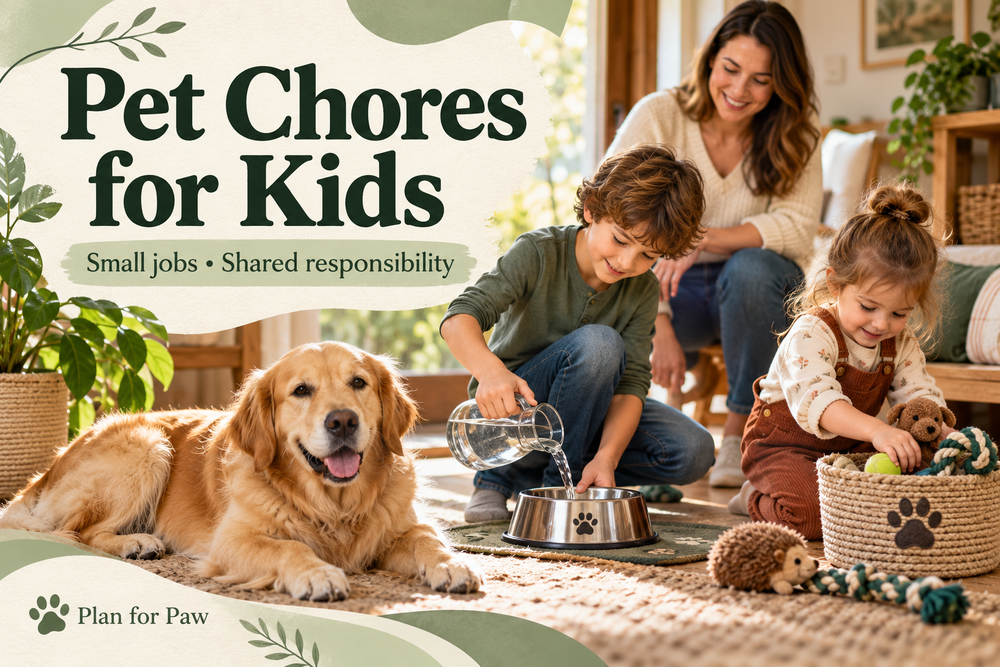 Pet Chores for Kids by Age: A Family Guide That Actually WorksChildren can genuinely help look after a family pet — with the right jobs for their age and adult supervision. Here are age-appropriate pet chores, safety rules and a simple chart to keep it on track.