
Staffordshire Bull Terrier
Also known as: Staffy, Staffie, SBT
Muscular, fearless and soft-hearted — a people-loving dog in a compact, powerful frame.
- Affectionate
- Courageous
- Playful
- Loyal
- Energetic
The Staffordshire Bull Terrier was developed in 19th-century England and has since become one of the most popular family dogs in the UK. Staffies are muscular, energetic and famously affectionate with people, including children. They need exercise, early socialisation with other dogs and consistent training, and they reward their owners with remarkable loyalty and good humour.
At a glance
- Origin
- Staffordshire, England
- Breed group
- Terrier
- Size
- Medium
- Weight
- 24–37 lb (11–17 kg)
- Height
- 14.2–16.1 in (36–41 cm)
- Lifespan
- 12–14 years
- Coat
- Short, smooth, close
- Colours
- Red, Fawn, White, Black, Blue, Brindle, any with white
- Average cost
- $80–$140 / month
Breed ratings
Rated 1–5 on the same scale as every other entry, so scores are comparable between breeds. Amber stars mark things that cost you effort rather than things that benefit you.
Temperament
Staffies adore people and are usually excellent with children. Some can be selective with other dogs, so early socialisation and sensible management matter.
Care & upkeep
Exercise
An hour or more daily, including tug, fetch and training games. Be realistic about off-lead play with unfamiliar dogs.
Grooming
A weekly rubber-mitt brush covers it. Check the skin regularly for signs of allergy.
Training
Eager and food-motivated. Prioritise lead manners and dog-to-dog socialisation from puppyhood.
Feeding & diet
- Typical diet
- Quality high-protein diet
- Daily amount
- 250–400 g of dry food
- Meals per day
- 2 meals a day
Muscular and food-motivated. Adjust portions to activity and consider a diet trial with your vet if skin allergies appear.
Foods to avoid
- Chocolate
- Grapes and raisins
- Onion and garlic
- Xylitol
- Cooked bones
Who this breed suits
A good match for
- Active families
- Owners home much of the day
- Experienced or committed first-time owners
- Homes with a garden
Probably not for
- Homes with other dominant dogs
- Owners out all day
- People unable to commit to training
Common health problems
This section describes conditions the breed is known to be predisposed to, so you know what to ask about. It is not veterinary advice and is not a diagnosis — always speak to a vet about your own animal.
- Skin allergiesCommon in the breed. Itching, red skin and paw licking warrant a vet visit.
- Hereditary cataractsDNA-testable — ask breeders for results.
- L-2-HGAA neurological condition with a DNA test available.
- Hip dysplasiaScreened by responsible breeders.
- Mast cell tumoursAny new skin lump should be checked promptly.
Ask breeders specifically for L-2-HGA and hereditary cataract DNA results — both are easy to test for.
Interesting facts
- Once nicknamed the nanny dog in Britain for its reputation with children.
- One of the most common breeds in UK rescue centres, often through no fault of its own.
- Extremely muscular for its size — pound for pound one of the strongest breeds.
Diet & Feeding
Feed around 250–400 g of quality food daily across two meals, adjusted to activity. Staffies are muscular and food-motivated and can gain weight if under-exercised. Some have skin allergies linked to diet; if itching becomes a pattern, discuss a food trial with your vet.
Exercise Needs
Plan on an hour or more daily of real activity: brisk walks, tug, fetch, flirt poles and training games. Staffies are strong and energetic, and a bored Staffy can be destructive. Some are not comfortable with other dogs, so assess off-lead play honestly. They feel the cold and may need a coat in winter.
Grooming
Very easy: a weekly rubber-mitt brush keeps the short coat in good condition. Bathe occasionally. Check the skin for redness or itching, as allergies are common. Trim nails every three weeks and brush teeth regularly.
Health & Vet Care
Watch for skin allergies, hereditary cataracts (DNA-testable), L-2-HGA, a neurological condition with a DNA test, hip dysplasia and mast cell tumours. Ask breeders for DNA test results. Get any new lump checked promptly.
Training Tips
Staffies are clever, eager to please and highly food- and toy-motivated. Train lead manners early, because a pulling adult is strong. Socialise with other dogs from puppyhood and keep greetings controlled — some Staffies become dog-selective as adults. Use reward-based methods; they are sensitive dogs despite their tough appearance.
Read next
 How to Set Up a Dog-Friendly GardenA garden can be a safe, interesting space for your dog — or a source of escapes, toxic plants and dug-up borders. Here is how to set one up for safety, comfort and enrichment.
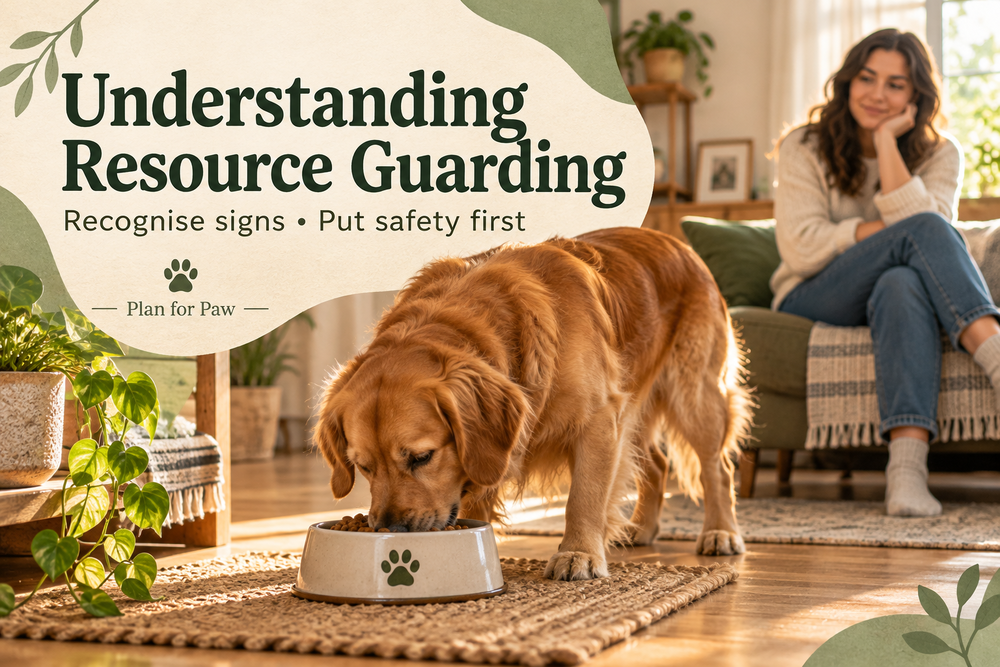 Resource Guarding in Dogs: Signs, Safety and What HelpsA dog that stiffens over the food bowl or growls when you approach a chew is guarding something it values. Here is how to recognise it early, keep everyone safe and what helps.
 How Lost Pets Actually Get Home — and How to Make Yours Easier to ReturnMost lost pets are found close to home by an ordinary person with a phone. What happens in the next few minutes decides how fast they get back. Here is how reunions really happen, and how to prepare.