Shiba Inu
Also known as: Shiba, Japanese Shiba Inu
A fox-like Japanese spitz — clean, bold, independent and famously dramatic.
- Independent
- Alert
- Bold
- Loyal
- Reserved
The Shiba Inu is the smallest native Japanese breed, originally used to hunt small game in mountainous terrain. Shibas are alert, confident and clean, often described as cat-like in their independence. They are loyal but not eager to please, with strong prey drive, a talent for escape and a dramatic scream when unhappy.
At a glance
- Origin
- Japan
- Breed group
- Spitz / Utility
- Size
- Small
- Weight
- 18–24 lb (8–11 kg)
- Height
- 13.8–16.1 in (35–41 cm)
- Lifespan
- 13–16 years
- Coat
- Stiff outer coat with soft dense undercoat
- Colours
- Red, Sesame, Black & Tan, Cream
- Average cost
- $70–$130 / month
Breed ratings
Rated 1–5 on the same scale as every other entry, so scores are comparable between breeds. Amber stars mark things that cost you effort rather than things that benefit you.
Temperament
Shibas are loyal but aloof and dislike being restrained. Many are possessive of food and toys and selective with other dogs.
Care & upkeep
Exercise
About an hour daily on lead or in secure areas. Recall is unreliable.
Grooming
Weekly brushing, daily during the twice-yearly coat blow. Start handling feet early.
Training
Independent and stubborn. Patience, short sessions and high-value rewards help. Early handling and socialisation are essential.
Feeding & diet
- Typical diet
- Quality small-to-medium diet
- Daily amount
- 150–250 g of dry food
- Meals per day
- 2 meals a day
Efficient eaters — measure portions. Discuss diet with your vet if allergies appear.
Foods to avoid
- Chocolate
- Grapes and raisins
- Onion and garlic
- Xylitol
- Cooked bones
Who this breed suits
A good match for
- Experienced owners
- Apartments with secure walks
- Adult households
Probably not for
- First-time owners
- Homes with small pets
- Owners wanting off-lead walks
Common health problems
This section describes conditions the breed is known to be predisposed to, so you know what to ask about. It is not veterinary advice and is not a diagnosis — always speak to a vet about your own animal.
- AllergiesItchy skin is common in the breed.
- Patellar luxationSlipping kneecaps occur.
- GlaucomaA painful eye condition — red or cloudy eyes need prompt attention.
- Hip dysplasiaScreened by responsible breeders.
- GM1 gangliosidosisA fatal neurological disease with a DNA test available.
A healthy, long-lived breed. Ask breeders about GM1 testing and eye screening.
Interesting facts
- The famous Doge internet meme features a Shiba Inu.
- Known for the Shiba scream when upset.
- A national treasure in Japan, nearly lost after the Second World War.
Diet & Feeding
Feed around 150–250 g of quality food daily across two meals. Shibas are efficient eaters and can gain weight if overfed. Some develop food-related allergies; discuss a diet trial with your vet if itching appears.
Exercise Needs
About an hour daily on lead or in a secure area. Shibas have strong prey drive and unreliable recall — off-lead walks in open spaces are risky. Secure fencing is essential; they climb and dig.
Grooming
Shibas are clean and odour-free but blow their coat twice a year with heavy shedding. Brush weekly, daily during the shed. Many Shibas dislike handling of feet — introduce nail trims early.
Health & Vet Care
Watch for allergies, patellar luxation, glaucoma, hip dysplasia and GM1 gangliosidosis (DNA-testable). Ask breeders for DNA results and eye screening.
Training Tips
Shibas are intelligent but independent. Training takes patience, high-value rewards and short sessions. Start handling practice early. Socialise with dogs from puppyhood, as many become dog-selective.
Read next
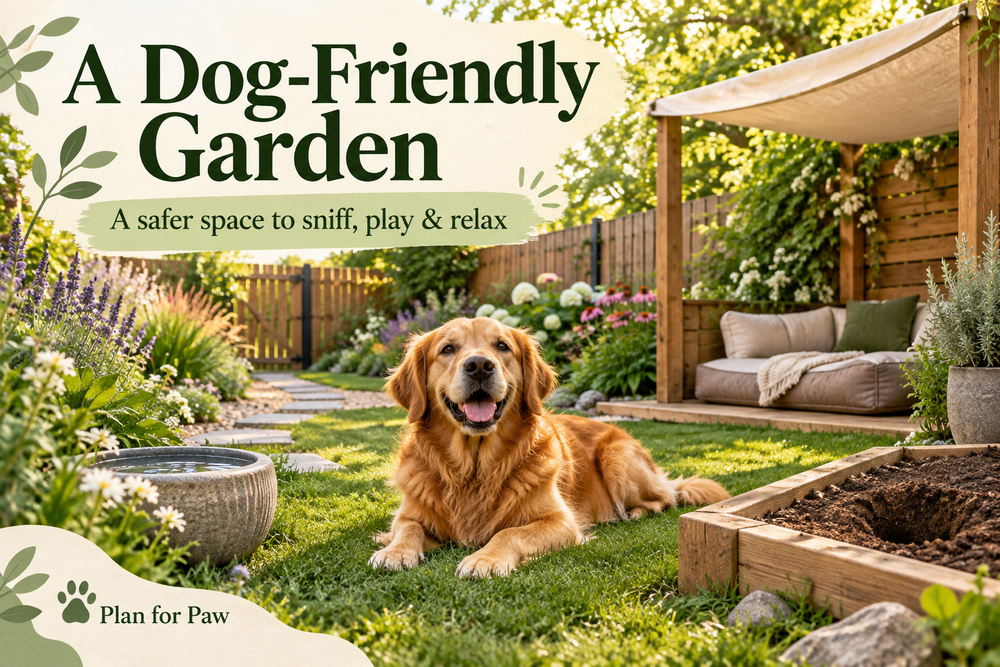 How to Set Up a Dog-Friendly GardenA garden can be a safe, interesting space for your dog — or a source of escapes, toxic plants and dug-up borders. Here is how to set one up for safety, comfort and enrichment.
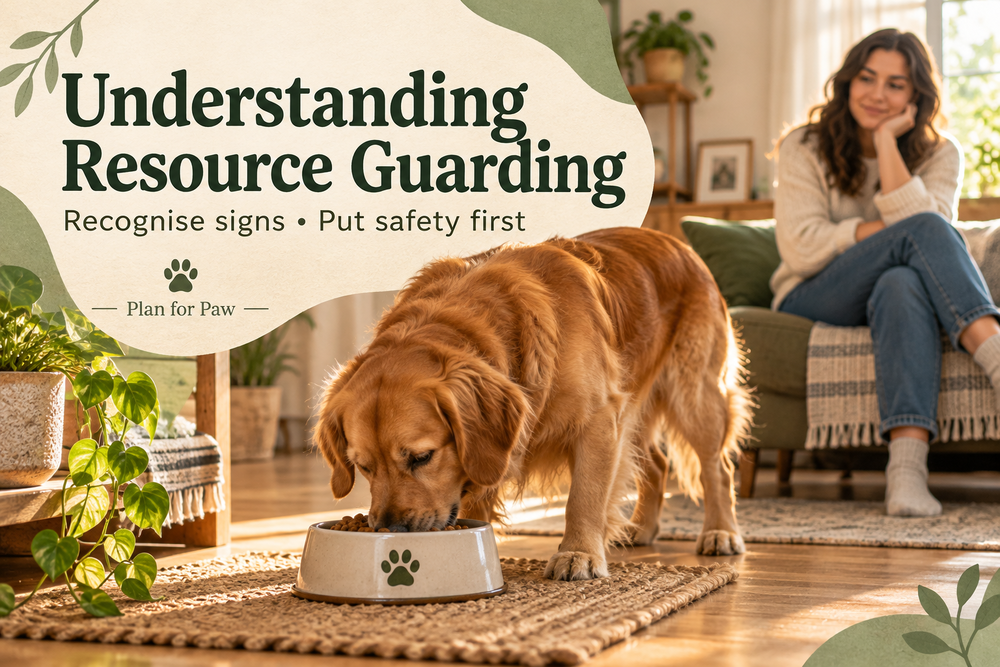 Resource Guarding in Dogs: Signs, Safety and What HelpsA dog that stiffens over the food bowl or growls when you approach a chew is guarding something it values. Here is how to recognise it early, keep everyone safe and what helps.
 How Lost Pets Actually Get Home — and How to Make Yours Easier to ReturnMost lost pets are found close to home by an ordinary person with a phone. What happens in the next few minutes decides how fast they get back. Here is how reunions really happen, and how to prepare.