
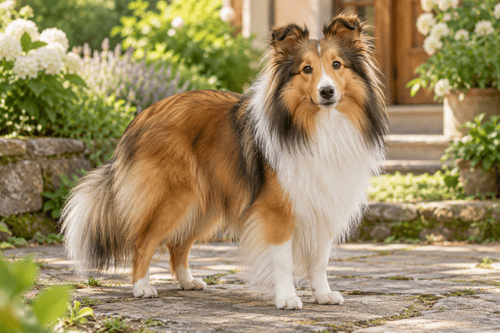
Shetland Sheepdog
Also known as: Sheltie, Shetland Collie
A working brain in a small frame — brilliant, sensitive and considerably louder than expected.
- Intelligent
- Sensitive
- Loyal
- Alert
- Reserved with strangers
The Shetland Sheepdog was developed on the Shetland Isles to herd sheep on harsh, sparse terrain, where a smaller dog needed less feeding. Shelties are among the most trainable breeds in the world and excel at every dog sport they enter. They are also sensitive, deeply bonded to their families and famously vocal — the barking is the single most common reason Shelties are rehomed.
At a glance
- Origin
- Shetland Isles, Scotland
- Breed group
- Herding
- Size
- Small
- Weight
- 13–26 lb (6–12 kg)
- Height
- 13–16.1 in (33–41 cm)
- Lifespan
- 12–14 years
- Coat
- Long, dense double coat with a heavy mane
- Colours
- Sable, Tricolour, Blue Merle, Black & White, Black & Tan
- Average cost
- $105–$200 / month
Breed ratings
Rated 1–5 on the same scale as every other entry, so scores are comparable between breeds. Amber stars mark things that cost you effort rather than things that benefit you.
Temperament
Shelties are affectionate with family and typically aloof with strangers, which is breed-normal rather than a fault. They are soft-natured and genuinely upset by raised voices. The herding instinct shows as circling and heel-nipping at running children and needs redirecting early.
Care & upkeep
Exercise
Around an hour daily, with mental work weighted as heavily as distance. Agility, obedience and scent work suit them exceptionally well.
Grooming
Brush 2–3 times weekly down to the skin, daily during the twice-yearly coat blow. Mats form first behind the ears, in the mane and on the trousers. Never shave the double coat.
Training
Among the most trainable breeds in the world. The corollary is that they learn unwanted behaviours just as fast — particularly barking, which needs a deliberate quiet cue and environmental management from puppyhood.
Feeding & diet
- Typical diet
- Measured high-quality diet
- Daily amount
- 200–320 g of dry food
- Meals per day
- 2 meals a day
Shelties need less food than their coat volume suggests, and that same coat hides weight gain. Assess body condition by hand monthly and use part of the ration as training reward rather than adding treats.
Foods to avoid
- Chocolate
- Grapes and raisins
- Onion and garlic
- Xylitol
- Macadamia nuts
Who this breed suits
A good match for
- Dog sports competitors
- Active families
- Owners who enjoy training
- Homes with a garden
Probably not for
- Apartments with noise-sensitive neighbours
- Owners wanting a quiet dog
- Households unwilling to groom
- People away all day
Common health problems
This section describes conditions the breed is known to be predisposed to, so you know what to ask about. It is not veterinary advice and is not a diagnosis — always speak to a vet about your own animal.
- MDR1 drug sensitivityA genetic mutation affecting how common drugs are processed. DNA test and tell your vet the result.
- Collie eye anomalyA hereditary eye condition. Ask breeders for eye certification of the parents.
- DermatomyositisAn inherited skin and muscle condition causing lesions on the face and legs.
- HypothyroidismCommon in the breed and easily managed once diagnosed.
- Double merle defectsMerle-to-merle matings produce puppies that are frequently deaf, blind or both. Never buy from such a litter.
The MDR1 mutation is the one Sheltie owners must know by name — it changes which drugs are safe to use and it is a simple cheek-swab test.
Interesting facts
- Developed on the Shetland Isles, where harsh conditions favoured smaller livestock and smaller dogs to work them.
- Consistently ranked among the top six breeds for working intelligence.
- Despite the resemblance, the Sheltie is not a miniature Rough Collie but a separate breed with shared ancestry.
Diet & Feeding
Shelties need only 200–320 g of a quality food daily, split into two meals — considerably less than the coat volume suggests. That coat also hides weight gain effectively, so assess condition by hand rather than by eye. They are typically easy feeders without being greedy. Because they train several times a day in most households, use part of the daily ration as reward rather than adding treats on top, and factor in omega-3 for coat condition.
Exercise Needs
Around an hour daily, but the split matters: a Sheltie needs mental work as much as distance. Agility, obedience, rally, trick training and scent work all suit them, and they are among the most successful breeds in competitive dog sports relative to their size. A Sheltie given a long walk and nothing to think about will invent a job, and the job it picks is usually barking at things through the window.
Grooming
The double coat needs brushing 2–3 times a week, rising to daily during the twice-yearly blowout when the undercoat comes out in sheets. Work down to the skin — surface brushing leaves mats forming underneath, particularly behind the ears, in the mane and on the trousers. Bathe every 6–8 weeks and trim the hair between the paw pads. Never shave a Sheltie: the double coat insulates against heat as well as cold and regrowth is often permanently damaged.
Health & Vet Care
Two things every Sheltie owner should know by name. MDR1 is a genetic mutation, common in the breed, that changes how safely certain drugs including some wormers and sedatives are metabolised — it is a cheek swab, and your vet needs the result. Collie eye anomaly is a hereditary eye condition screened by responsible breeders. Also present: dermatomyositis, hypothyroidism and hip dysplasia. Never buy from a merle-to-merle mating, which produces deaf and blind puppies.
Training Tips
Shelties learn faster than almost any owner can teach, and that includes learning that barking gets a reaction. Address the barking deliberately from week one: teach a quiet cue, manage the window views that trigger it and reward silence rather than only responding to noise. They are soft dogs — raised voices genuinely upset them and slow learning. Socialise early and broadly, because reserve toward strangers is breed-typical and tips into nervousness without exposure.
Read next
 How to Set Up a Dog-Friendly GardenCheck fences, gates, plants and products before adding water, shade and activities. Includes inspection lists, layout choices and a worked small-garden plan.
 Resource Guarding in Dogs: Signs, Safety and What HelpsRecognise guarding and manage bowls, chews, beds and visitors without provoking the dog. Includes barriers, collection steps and questions for professional help.
 How Lost Pets Actually Get Home — and How to Make Yours Easier to ReturnFollow four reunion routes from finder to owner. Includes contact steps, scanning and service decisions, ownership checks, safe handover and a worked example.