
Scottish Terrier
Also known as: Scottie, Aberdeen Terrier
Dignified, independent and stubbornly loyal — the Scottie has opinions and keeps them.
- Dignified
- Independent
- Loyal
- Alert
- Reserved
The Scottish Terrier is a short-legged, sturdy terrier bred in the Highlands to hunt vermin and foxes. Scotties are dignified, loyal and reserved with strangers, with a famously independent mind. They suit owners who appreciate a self-possessed companion rather than a people-pleaser, and they need regular grooming and consistent training.
At a glance
- Origin
- Scotland, UK
- Breed group
- Terrier
- Size
- Small
- Weight
- 19–23 lb (8.5–10.5 kg)
- Height
- 9.8–11 in (25–28 cm)
- Lifespan
- 11–13 years
- Coat
- Hard, wiry outer coat with dense undercoat
- Colours
- Black, Wheaten, Brindle
- Average cost
- $80–$150 / month
Breed ratings
Rated 1–5 on the same scale as every other entry, so scores are comparable between breeds. Amber stars mark things that cost you effort rather than things that benefit you.
Temperament
Scotties are devoted to their family but reserved with strangers. They are not demanding of attention and prefer respect to fuss.
Care & upkeep
Exercise
45–60 minutes daily. Enjoys digging and scent games; prey drive is strong.
Grooming
Hand-strip twice a year or clip every 6–8 weeks; brush 2–3 times weekly, especially the beard and furnishings.
Training
Independent and stubborn. Patience, short sessions and good rewards work; harshness does not.
Feeding & diet
- Typical diet
- Quality small-to-medium diet
- Daily amount
- 170–260 g of dry food
- Meals per day
- 2 meals a day
Keep Scotties lean, particularly as they age, and report any unexplained weight loss or increased thirst.
Foods to avoid
- Chocolate
- Grapes and raisins
- Onion and garlic
- Xylitol
- Fatty table scraps
Who this breed suits
A good match for
- Adult households
- Owners who value an independent dog
- Apartments with daily walks
Probably not for
- Homes with small pets
- Owners wanting a cuddly lapdog
- Households with boisterous young children
Common health problems
This section describes conditions the breed is known to be predisposed to, so you know what to ask about. It is not veterinary advice and is not a diagnosis — always speak to a vet about your own animal.
- Bladder cancerScotties have a high risk of transitional cell carcinoma. Blood in the urine or straining needs a prompt vet visit.
- von Willebrand diseaseA DNA-testable bleeding disorder — important to know before surgery.
- Scottie crampA movement disorder triggered by excitement; usually not painful.
- Craniomandibular osteopathyJaw bone growths in puppies.
- Skin allergiesItching and skin problems are common.
Learn the signs of bladder problems — Scotties carry a much higher bladder cancer risk than most breeds.
Interesting facts
- Franklin D. Roosevelt's Scottie, Fala, became a national celebrity.
- A Scottie is one of the original Monopoly tokens.
- Nicknamed the Diehard for its toughness.
Diet & Feeding
Feed around 170–260 g of quality food daily across two meals. Scotties are sturdy dogs that can gain weight, especially as they age. Keep them lean and count treats. Discuss any unexplained weight loss or increased thirst with your vet promptly.
Exercise Needs
About 45–60 minutes daily of walks and play. Scotties are not hyperactive, but they enjoy exploring, digging and scent games. Strong prey drive means off-lead walks need secure areas. Some develop Scottie cramp, a harmless but alarming movement disorder triggered by excitement.
Grooming
The wiry coat is best hand-stripped twice a year, or clipped every 6–8 weeks, with brushing 2–3 times a week. Pay attention to the beard and leg furnishings. Trim nails every three weeks and clean ears weekly.
Health & Vet Care
Scotties have a notably high risk of bladder cancer (transitional cell carcinoma) — any blood in the urine or straining needs prompt veterinary attention. Also watch for von Willebrand disease (a DNA-testable bleeding disorder), Scottie cramp, craniomandibular osteopathy and skin allergies. Some studies link lawn chemicals to bladder cancer risk; minimise exposure.
Training Tips
Scotties are intelligent but independent and sometimes aloof. Training needs patience, short sessions and good rewards — harshness backfires. Socialise early with people and dogs, because they can be reserved and dog-selective.
Read next
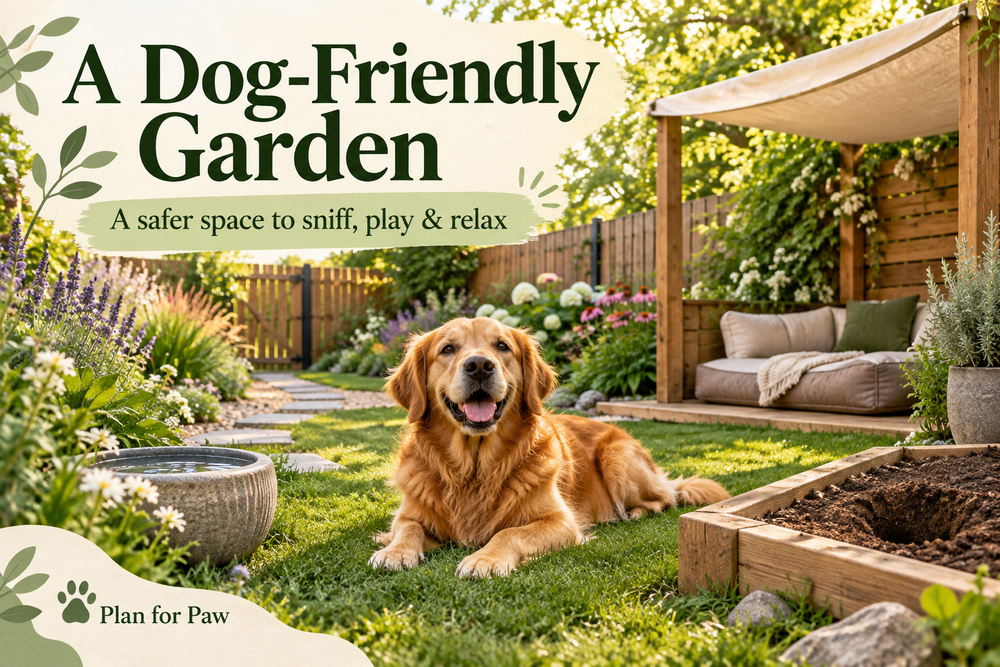 How to Set Up a Dog-Friendly GardenA garden can be a safe, interesting space for your dog — or a source of escapes, toxic plants and dug-up borders. Here is how to set one up for safety, comfort and enrichment.
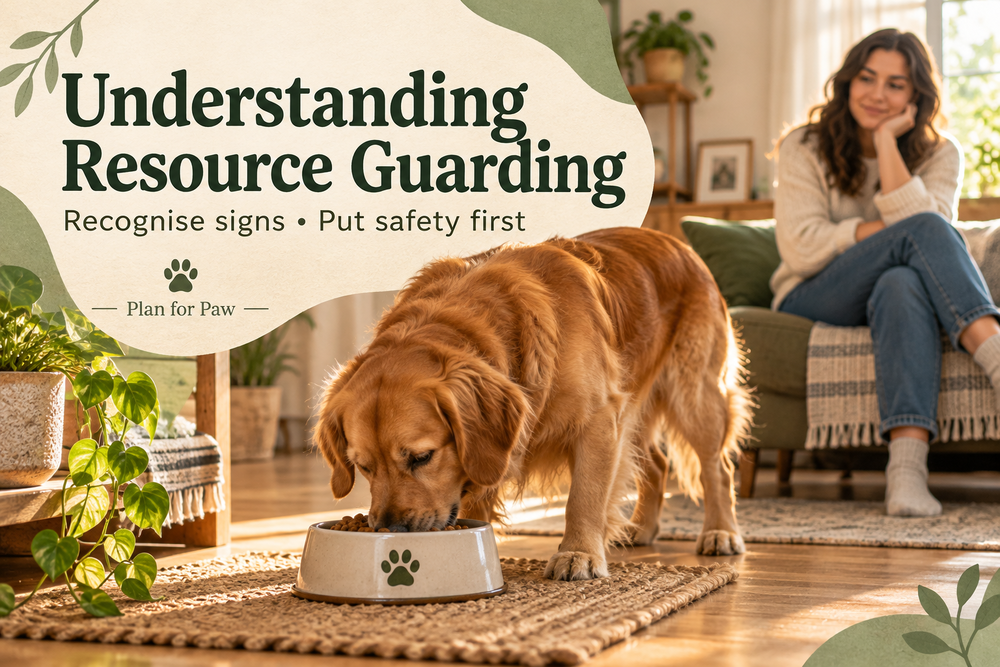 Resource Guarding in Dogs: Signs, Safety and What HelpsA dog that stiffens over the food bowl or growls when you approach a chew is guarding something it values. Here is how to recognise it early, keep everyone safe and what helps.
 How Lost Pets Actually Get Home — and How to Make Yours Easier to ReturnMost lost pets are found close to home by an ordinary person with a phone. What happens in the next few minutes decides how fast they get back. Here is how reunions really happen, and how to prepare.