Rhodesian Ridgeback
Also known as: Ridgeback, African Lion Hound
A dignified African hound with a ridge of reversed hair and a mind of its own.
- Dignified
- Independent
- Loyal
- Protective
- Calm
The Rhodesian Ridgeback was developed in southern Africa to track and hold lions at bay until hunters arrived. Ridgebacks are powerful, athletic and independent, with a calm, dignified manner at home and a strong protective streak. They need experienced handling, early socialisation and plenty of exercise.
At a glance
- Origin
- Zimbabwe / Southern Africa
- Breed group
- Hound
- Size
- Large
- Weight
- 71–90 lb (32–41 kg)
- Height
- 24–27.2 in (61–69 cm)
- Lifespan
- 10–12 years
- Coat
- Short, dense, sleek with a dorsal ridge
- Colours
- Light Wheaten to Red Wheaten
- Average cost
- $120–$200 / month
Breed ratings
Rated 1–5 on the same scale as every other entry, so scores are comparable between breeds. Amber stars mark things that cost you effort rather than things that benefit you.
Temperament
Ridgebacks are affectionate with family and reserved with strangers. They can be strong-willed and protective.
Care & upkeep
Exercise
90 minutes or more daily with running in secure areas. Prey drive affects recall.
Grooming
A weekly rubber-mitt brush and regular nail trims.
Training
Independent and sensitive. Calm, consistent training and early socialisation are essential.
Feeding & diet
- Typical diet
- Large-breed diet
- Daily amount
- 600–900 g of dry food
- Meals per day
- 2 meals a day
Large-breed formula for puppies, measured meals for adults, and secure bins — Ridgebacks steal food.
Foods to avoid
- Chocolate
- Grapes and raisins
- Onion and garlic
- Xylitol
- Cooked bones
Who this breed suits
A good match for
- Experienced owners
- Active households
- Homes with secure gardens
- Runners
Probably not for
- First-time owners
- Apartments
- Homes with small pets
Common health problems
This section describes conditions the breed is known to be predisposed to, so you know what to ask about. It is not veterinary advice and is not a diagnosis — always speak to a vet about your own animal.
- Dermoid sinusA congenital tube-like defect along the spine. Puppies should be checked before sale.
- Hip and elbow dysplasiaScreened by responsible breeders.
- HypothyroidismCommon and easily managed once diagnosed.
- Degenerative myelopathyA DNA-testable spinal cord disease.
- Bloat (GDV)Deep-chested breed — rest around meals.
Make sure puppies have been checked for dermoid sinus before you take them home.
Interesting facts
- The ridge is formed by hair growing in the opposite direction along the back.
- Bred to keep lions at bay rather than to kill them.
- Ridgeless puppies occasionally appear in litters.
Diet & Feeding
Feed around 600–900 g of quality large-breed food daily across two meals. Ridgebacks are notorious counter-surfers and food thieves — secure food and bins. Puppies need a large-breed formula for controlled growth. Rest around exercise to reduce bloat risk.
Exercise Needs
Plan on 90 minutes or more daily, including running in secure areas. Ridgebacks are endurance hunters with prey drive and can be selective about recall. Avoid hard exercise in puppies until growth plates close.
Grooming
Easy: a weekly rubber-mitt brush. Trim nails every three weeks. Check the ridge area in puppies for any opening or swelling.
Health & Vet Care
The breed-specific issue is dermoid sinus, a tube-like defect along the spine present from birth — puppies should be checked by the breeder and vet. Also watch for hip and elbow dysplasia, hypothyroidism and degenerative myelopathy. Ask for hip scores and DNA results.
Training Tips
Ridgebacks are intelligent but independent and sensitive. Use calm, consistent, reward-based training; harsh handling backfires. Socialise thoroughly with people and dogs from puppyhood — they are naturally reserved with strangers and protective of family.
Read next
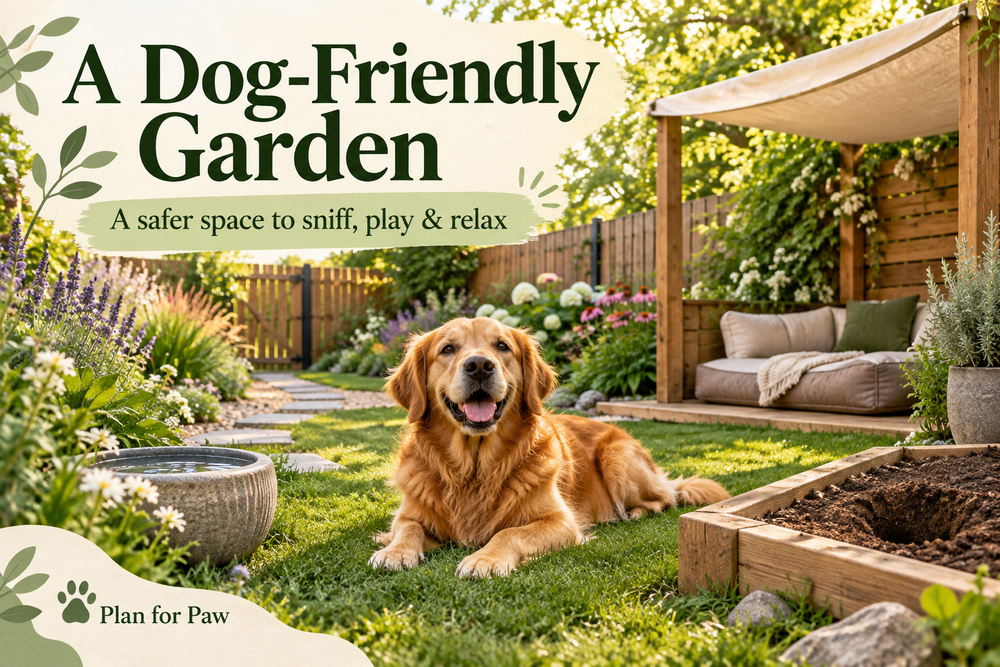 How to Set Up a Dog-Friendly GardenA garden can be a safe, interesting space for your dog — or a source of escapes, toxic plants and dug-up borders. Here is how to set one up for safety, comfort and enrichment.
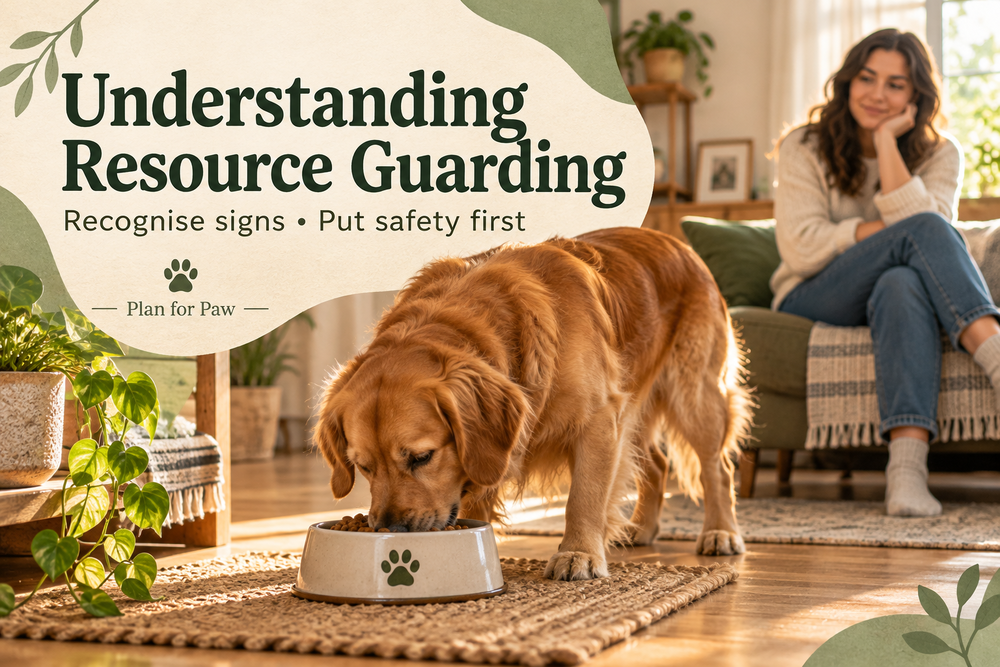 Resource Guarding in Dogs: Signs, Safety and What HelpsA dog that stiffens over the food bowl or growls when you approach a chew is guarding something it values. Here is how to recognise it early, keep everyone safe and what helps.
 How Lost Pets Actually Get Home — and How to Make Yours Easier to ReturnMost lost pets are found close to home by an ordinary person with a phone. What happens in the next few minutes decides how fast they get back. Here is how reunions really happen, and how to prepare.