
Papillon
Also known as: Continental Toy Spaniel, Butterfly Dog, Phalène (drop-eared variety)
Butterfly ears and a sharp mind — one of the brightest toy breeds.
- Alert
- Intelligent
- Lively
- Friendly
- Playful
The Papillon is a small spaniel-type toy breed named for its butterfly-shaped ears. Papillons are lively, alert and highly intelligent, excelling at agility and obedience far beyond what their size suggests. They are friendly and adaptable but delicate, and they need training, mental work and gentle handling.
At a glance
- Origin
- France / Belgium
- Breed group
- Toy
- Size
- Toy
- Weight
- 7–11 lb (3–5 kg)
- Height
- 7.9–11 in (20–28 cm)
- Lifespan
- 13–16 years
- Coat
- Long, silky single coat with feathered ears
- Colours
- White with Black, Red, Lemon, Sable, Tricolour
- Average cost
- $60–$110 / month
Breed ratings
Rated 1–5 on the same scale as every other entry, so scores are comparable between breeds. Amber stars mark things that cost you effort rather than things that benefit you.
Temperament
Papillons are friendly and outgoing, with a big personality. They can be possessive of their owners and vocal without training.
Care & upkeep
Exercise
30–45 minutes daily plus training games. Prevent jumping from height.
Grooming
Brush twice weekly, focusing on the ear fringes. Brush teeth regularly.
Training
Exceptionally quick learners. Keep sessions varied and teach a quiet cue early.
Feeding & diet
- Typical diet
- Calorie-dense toy-breed diet
- Daily amount
- 70–120 g of dry food
- Meals per day
- 2–3 meals a day
Small, frequent meals for puppies to prevent hypoglycaemia.
Foods to avoid
- Chocolate
- Grapes and raisins
- Onion and garlic
- Xylitol
- Cooked bones
Who this breed suits
A good match for
- Apartments
- Dog sports competitors
- Adults and older children
- Active small-dog owners
Probably not for
- Homes with toddlers
- Owners wanting a lapdog only
Common health problems
This section describes conditions the breed is known to be predisposed to, so you know what to ask about. It is not veterinary advice and is not a diagnosis — always speak to a vet about your own animal.
- Patellar luxationSlipping kneecaps are common in toy breeds.
- Dental diseaseCrowded teeth — brush several times a week.
- Progressive retinal atrophyA hereditary cause of blindness.
- Neuroaxonal dystrophyA neurological disease with a DNA test available.
A long-lived breed when dental care and safe handling are maintained.
Interesting facts
- Papillon means butterfly in French.
- A drop-eared variety called the Phalène, meaning moth, exists.
- Often ranked among the most intelligent toy breeds.
Diet & Feeding
Feed around 70–120 g of quality toy-breed food daily across two or three meals. Small puppies can develop hypoglycaemia if meals are missed. Count treats carefully and keep teeth clean.
Exercise Needs
About 30–45 minutes daily, plus mental work. Papillons are energetic and excel at agility, tricks and obedience. Use a harness, and prevent jumping from height to protect delicate legs.
Grooming
The silky coat has no undercoat and rarely mats — brush twice a week, paying attention to the ear fringes. Bathe occasionally. Brush teeth several times a week and trim nails every two to three weeks.
Health & Vet Care
Generally healthy and long-lived. Watch for patellar luxation, dental disease, progressive retinal atrophy and neuroaxonal dystrophy (DNA-testable). Ask breeders for eye screening and DNA results.
Training Tips
Papillons learn very quickly and love training. Short, varied, reward-based sessions suit them. Socialise early and teach a quiet cue, as they can be vocal. Treat them as real dogs — small-dog problems come from inconsistent rules.
Read next
 How to Set Up a Dog-Friendly GardenA garden can be a safe, interesting space for your dog — or a source of escapes, toxic plants and dug-up borders. Here is how to set one up for safety, comfort and enrichment.
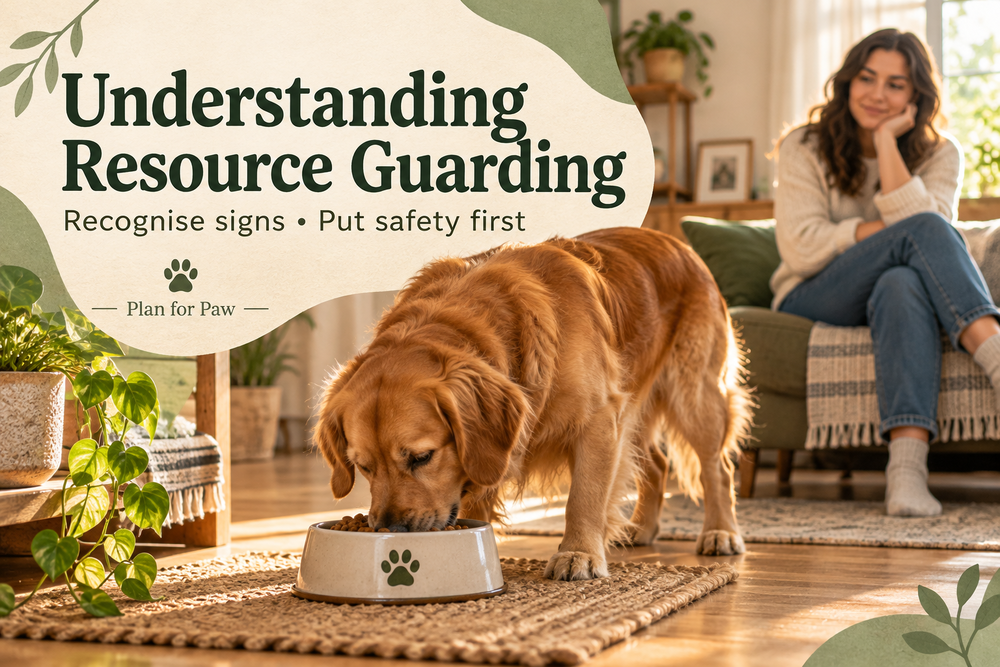 Resource Guarding in Dogs: Signs, Safety and What HelpsA dog that stiffens over the food bowl or growls when you approach a chew is guarding something it values. Here is how to recognise it early, keep everyone safe and what helps.
 How Lost Pets Actually Get Home — and How to Make Yours Easier to ReturnMost lost pets are found close to home by an ordinary person with a phone. What happens in the next few minutes decides how fast they get back. Here is how reunions really happen, and how to prepare.