
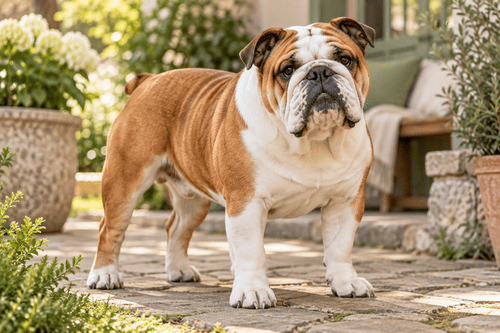
English Bulldog
Wrinkled, stubborn and utterly loveable — the original couch companion.
The English Bulldog's stocky frame, wrinkled face and shuffling gait have made it one of the most recognisable breeds in the world. Despite their gruff appearance, Bulldogs are gentle, affectionate and devoted to their families. They are low-energy dogs well suited to apartment life, though their flat faces require careful health management throughout their lives.
At a glance
- Origin
- England
- Size
- Medium
- Weight
- 40–55 lb (18–25 kg)
- Lifespan
- 8–10 years
- Coat
- Short, fine, smooth
- Colours
- Brindle, White, Red, Fawn, Piebald
Breed ratings
Rated 1–5 on the same scale as every other entry, so scores are comparable between breeds. Amber stars mark things that cost you effort rather than things that benefit you.
Diet & Feeding
Bulldogs are prone to obesity, which worsens their breathing and joint problems significantly. Feed a measured, high-protein diet twice daily (around 280–350 g dry kibble). Use a raised, wide-based bowl to ease eating. Avoid foods that cause gas — Bulldogs are already famously flatulent. Monitor weight strictly and adjust portions if ribs become hard to feel.
Exercise Needs
Short, gentle exercise — 20–30 minutes in two sessions — is all a Bulldog needs and can safely handle. Avoid any exercise in warm or humid weather; their flat faces make heat regulation very difficult and heatstroke can develop rapidly. Morning and late-evening walks in summer are safest. Never push a Bulldog to the point of heavy breathing or wheezing.
Grooming
The short coat is easy to maintain with a weekly wipe. However, the facial wrinkles and skin folds must be cleaned daily with a damp cloth or baby wipe and dried thoroughly — trapped moisture causes painful skin fold dermatitis. Clean the tail pocket (if present) daily too. Trim nails every 3 weeks.
Health & Vet Care
English Bulldogs are one of the highest-maintenance breeds medically. Common issues include BOAS (breathing difficulties), cherry eye, hip dysplasia, skin fold infections, dental crowding and interdigital cysts. Their lifespan is shorter than most breeds. Pet insurance is strongly recommended. Choose breeders who have had dogs assessed for BOAS and who prioritise health over extreme conformation.
Training Tips
Bulldogs are famously stubborn and will simply stop and sit down if they're not interested. Training works best with very high-value treats and extremely short sessions (3–5 minutes). Focus on the essentials: sit, stay and loose-lead walking. Positive reinforcement only — harsh methods cause a Bulldog to shut down completely. Patience and humour are required.
Read next
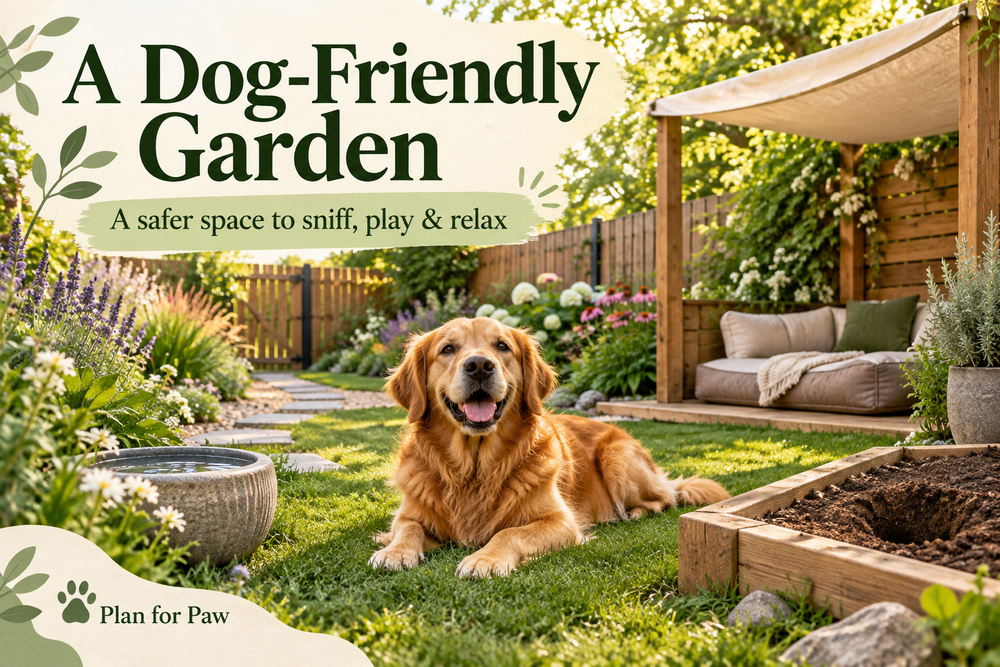 How to Set Up a Dog-Friendly GardenA garden can be a safe, interesting space for your dog — or a source of escapes, toxic plants and dug-up borders. Here is how to set one up for safety, comfort and enrichment.
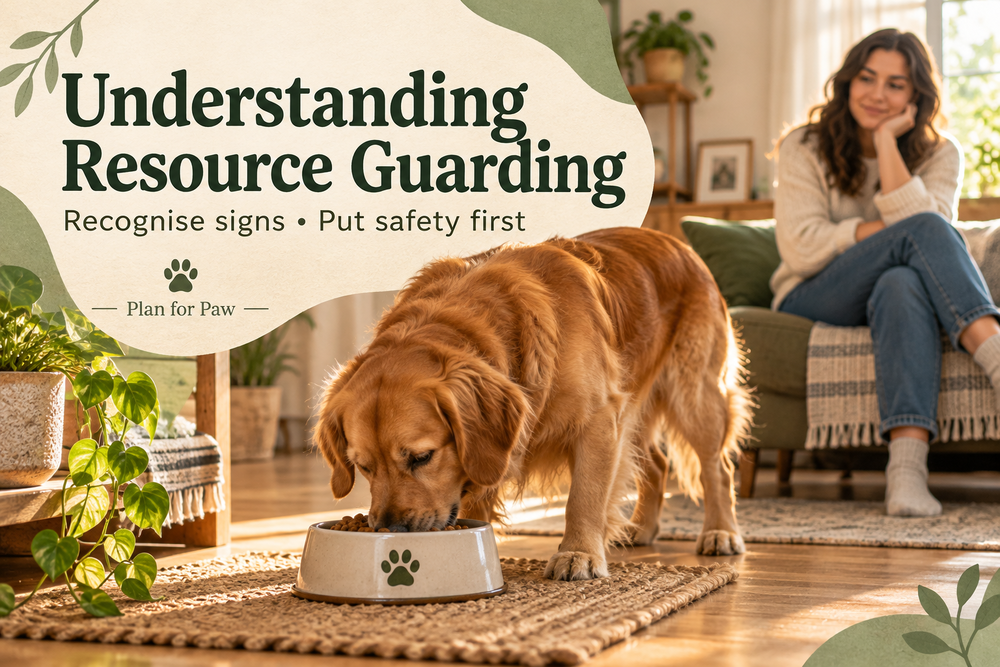 Resource Guarding in Dogs: Signs, Safety and What HelpsA dog that stiffens over the food bowl or growls when you approach a chew is guarding something it values. Here is how to recognise it early, keep everyone safe and what helps.
 How Lost Pets Actually Get Home — and How to Make Yours Easier to ReturnMost lost pets are found close to home by an ordinary person with a phone. What happens in the next few minutes decides how fast they get back. Here is how reunions really happen, and how to prepare.