

Jack Russell Terrier
Also known as: JRT, Parson Russell Terrier (related breed), Jack
Small, fearless and relentless — the most dog per kilogram available anywhere.
- Fearless
- Energetic
- Clever
- Determined
- Vocal
The Jack Russell was developed in 19th-century England by a hunting parson who wanted a terrier bold enough to bolt foxes from earth. Nothing about that job has been bred out. Jack Russells are tough, clever, tireless and utterly convinced of their own capability, and they are consistently underestimated by people who buy them because they are small.
At a glance
- Origin
- England, UK
- Breed group
- Terrier
- Size
- Small
- Weight
- 11–18 lb (5–8 kg)
- Height
- 9.8–11.8 in (25–30 cm)
- Lifespan
- 13–16 years
- Coat
- Smooth, broken or rough — all weatherproof and dense
- Colours
- White with black, tan or tricolour markings
- Average cost
- $70–$75 / month
Breed ratings
Rated 1–5 on the same scale as every other entry, so scores are comparable between breeds. Amber stars mark things that cost you effort rather than things that benefit you.
Temperament
Jack Russells have the confidence of a dog five times their size and will challenge anything. They are frequently intolerant of other dogs and are a genuine risk to small pets. Boredom converts directly into destruction and noise.
Care & upkeep
Exercise
At least 90 minutes daily plus mental work. Prey drive is extreme and cannot be trained away — secure dig-proof fencing is essential.
Grooming
Smooth coats need a weekly mitt; broken and rough coats need brushing twice weekly and hand-stripping twice a year. All three shed more than expected.
Training
Highly intelligent and entirely self-directed. Short fast sessions work; repetition does not. Manage prey drive, digging and barking with outlets rather than prohibition.
Feeding & diet
- Typical diet
- Quality small-breed diet
- Daily amount
- 150–250 g of dry food
- Meals per day
- 2 meals a day
Hardy, uncomplicated feeders. Working dogs need considerably more than pets, and a sedentary Jack Russell will gain weight despite the breed reputation for burning everything off.
Foods to avoid
- Chocolate
- Grapes and raisins
- Onion and garlic
- Xylitol
- Cooked bones
Who this breed suits
A good match for
- Active owners
- Rural homes
- Dog sports competitors
- Experienced small-dog handlers
Probably not for
- Homes with small pets
- Sedentary households
- Owners wanting a calm lapdog
- Gardens without secure fencing
Common health problems
This section describes conditions the breed is known to be predisposed to, so you know what to ask about. It is not veterinary advice and is not a diagnosis — always speak to a vet about your own animal.
- Primary lens luxationA painful inherited eye condition with a DNA test available. Ask for parental results.
- Hereditary ataxiaA neurological condition; DNA testing of breeding stock prevents it.
- Patellar luxationSlipping kneecaps, common in small active breeds.
- Legg-Calvé-Perthes diseaseDegeneration of the hip joint head in young dogs, causing lameness.
- DeafnessOccurs particularly in heavily white-headed dogs. Hearing testing is available.
One of the longest-lived breeds, frequently reaching 15 or 16. Most veterinary visits are for traumatic injury rather than disease — this is a dog that goes through obstacles rather than around them.
Interesting facts
- Developed by Reverend John Russell, a Devon parson and hunting enthusiast, in the 1800s.
- Still worked to ground in some countries, which is why the chest must be small enough to fit a fox earth.
- Frequently used in film and television because of their trainability and confidence.
Diet & Feeding
Jack Russells need only 150–250 g of quality small-breed food daily across two meals, adjusted to a working or pet lifestyle — the difference is considerable. They are hardy, uncomplicated feeders and rarely fussy. Because they are so active, weight problems are less common than in most small breeds, but a sedentary Jack Russell will still gain. Use part of the daily ration for training, which in this breed happens constantly.
Exercise Needs
At least 90 minutes daily, and mental work on top. This is a working terrier in a small package: a Jack Russell given a suburban stroll and a sofa becomes destructive, noisy and neurotic. They excel at agility, flyball, earthdog and scent work. Prey drive is extreme — cats, rabbits and squirrels will all be pursued regardless of recall training — so secure fencing with a dig-proof base is essential, and open-space off-lead work needs honest assessment.
Grooming
Straightforward whichever coat type you have. Smooth coats need a weekly rubber mitt; broken and rough coats need brushing twice a week and hand-stripping twice a year to keep the harsh texture. All three shed more than people expect from a small white dog. Bathe every 6–8 weeks. Check ears weekly, trim nails every three weeks and inspect for cuts after any session in undergrowth, which they will find.
Health & Vet Care
Genuinely one of the hardier breeds, with a long lifespan often reaching 15 or 16. Screened conditions include primary lens luxation and hereditary ataxia, both DNA-testable, plus patellar luxation, Legg-Calvé-Perthes disease and deafness, particularly in heavily white-headed dogs. Ask breeders for DNA results and hearing testing. The commonest injuries are traumatic rather than genetic — this is a breed that goes through things rather than round them.
Training Tips
Jack Russells are highly intelligent and completely self-employed. They train well with short, fast, reward-based sessions and become bored and obstructive with repetition. Do not attempt to train out the prey drive — manage it. Address digging and barking early with permitted outlets rather than prohibition. They are frequently intolerant of other dogs and of small pets, so early socialisation is important and honest management is essential.
Read next
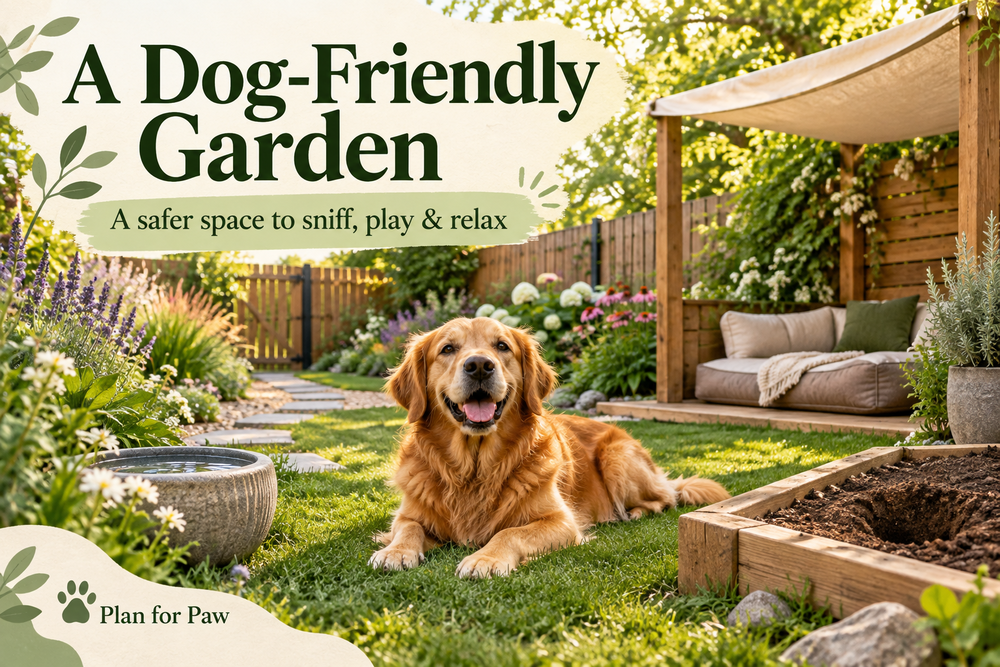 How to Set Up a Dog-Friendly GardenCheck fences, gates, plants and products before adding water, shade and activities. Includes inspection lists, layout choices and a worked small-garden plan.
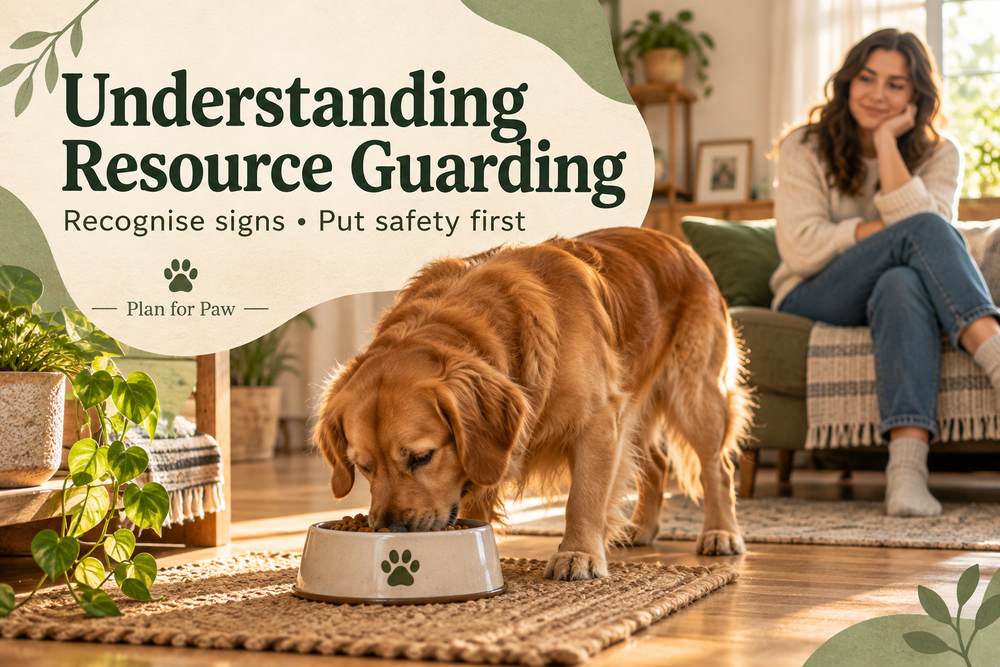 Resource Guarding in Dogs: Signs, Safety and What HelpsRecognise guarding and manage bowls, chews, beds and visitors without provoking the dog. Includes barriers, collection steps and questions for professional help.
 How Lost Pets Actually Get Home — and How to Make Yours Easier to ReturnFollow four reunion routes from finder to owner. Includes contact steps, scanning and service decisions, ownership checks, safe handover and a worked example.