Italian Greyhound
Also known as: Iggy, IG, Piccolo Levriero Italiano
A miniature sighthound — elegant, affectionate and more fragile than it looks.
- Sweet
- Sensitive
- Playful
- Affectionate
- Gentle
The Italian Greyhound is a small sighthound bred as a companion for centuries, favoured by European nobility. Iggies are sweet, sensitive and affectionate, with a love of warmth and soft beds. They are fast and playful outdoors and calm indoors, but their slender legs break easily and house-training can be a long project.
At a glance
- Origin
- Italy
- Breed group
- Toy / Sighthound
- Size
- Toy
- Weight
- 8–18 lb (3.5–8 kg)
- Height
- 13–15 in (33–38 cm)
- Lifespan
- 13–15 years
- Coat
- Very short, fine, glossy
- Colours
- Grey, Fawn, Black, Blue, Red, Cream, White markings
- Average cost
- $70–$130 / month
Breed ratings
Rated 1–5 on the same scale as every other entry, so scores are comparable between breeds. Amber stars mark things that cost you effort rather than things that benefit you.
Temperament
Italian Greyhounds are gentle and devoted. They can be reserved with strangers and dislike rough handling.
Care & upkeep
Exercise
30–60 minutes daily with secure sprinting. Prevent jumping from height to protect fragile legs.
Grooming
A weekly soft-mitt wipe. Provide coats in cool weather and warm, soft beds.
Training
Sensitive and slow to house-train. Gentle, consistent routines work best.
Feeding & diet
- Typical diet
- Quality small-breed diet
- Daily amount
- 80–160 g of dry food
- Meals per day
- 2 meals a day
A healthy Iggy is slim. Dental health matters — brush teeth regularly.
Foods to avoid
- Chocolate
- Grapes and raisins
- Onion and garlic
- Xylitol
- Hard chews that crack teeth
Who this breed suits
A good match for
- Apartments
- Adult households
- People home much of the day
- Warm homes
Probably not for
- Homes with toddlers
- Cold homes
- Households with small pets
Common health problems
This section describes conditions the breed is known to be predisposed to, so you know what to ask about. It is not veterinary advice and is not a diagnosis — always speak to a vet about your own animal.
- Leg fracturesSlender legs break easily, especially in young dogs jumping from furniture.
- Dental diseaseVery common — brush teeth several times a week.
- Patellar luxationSlipping kneecaps occur in the breed.
- Progressive retinal atrophyA hereditary cause of blindness; ask for eye screening.
- Anaesthetic sensitivityTell your vet the breed before any procedure.
Leg fractures in young Iggies are common and costly — prevention is far easier than repair.
Interesting facts
- Small greyhound-like dogs appear in ancient Mediterranean art.
- Popular with European royalty, including Frederick the Great.
- Can run at around 40 km/h.
Diet & Feeding
Feed around 80–160 g of quality small-breed food daily across two meals. A healthy Iggy is slim, with hip bones and the last ribs visible. Dental disease is very common, so brush teeth several times a week and choose food your vet recommends for dental health.
Exercise Needs
About 30–60 minutes daily, including a chance to sprint in a secure, enclosed area. Iggies have strong prey drive and are fast — use a harness or martingale collar on walks. Prevent leg fractures: discourage jumping from furniture and avoid rough play with larger dogs, especially in young dogs.
Grooming
Minimal: a weekly wipe with a soft mitt. Iggies have little body fat and thin skin and feel the cold badly — a coat or jumper in cool weather is necessary. Provide warm, soft bedding. Trim nails every two to three weeks.
Health & Vet Care
The main concerns are leg fractures (radius and ulna, especially under 18 months), severe dental disease, patellar luxation, progressive retinal atrophy, epilepsy and anaesthetic sensitivity. Tell your vet the breed before any procedure.
Training Tips
Iggies are sensitive and respond to gentle, reward-based training. House-training is often slow, particularly in cold or wet weather — a strict schedule and indoor options help. Recall is unreliable because of prey drive.
Read next
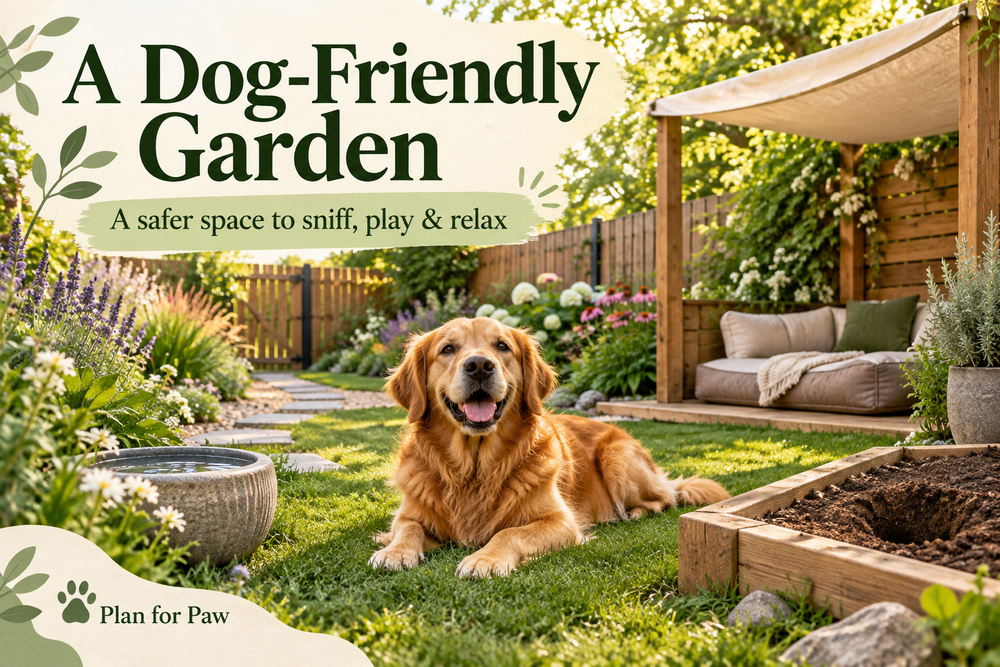 How to Set Up a Dog-Friendly GardenA garden can be a safe, interesting space for your dog — or a source of escapes, toxic plants and dug-up borders. Here is how to set one up for safety, comfort and enrichment.
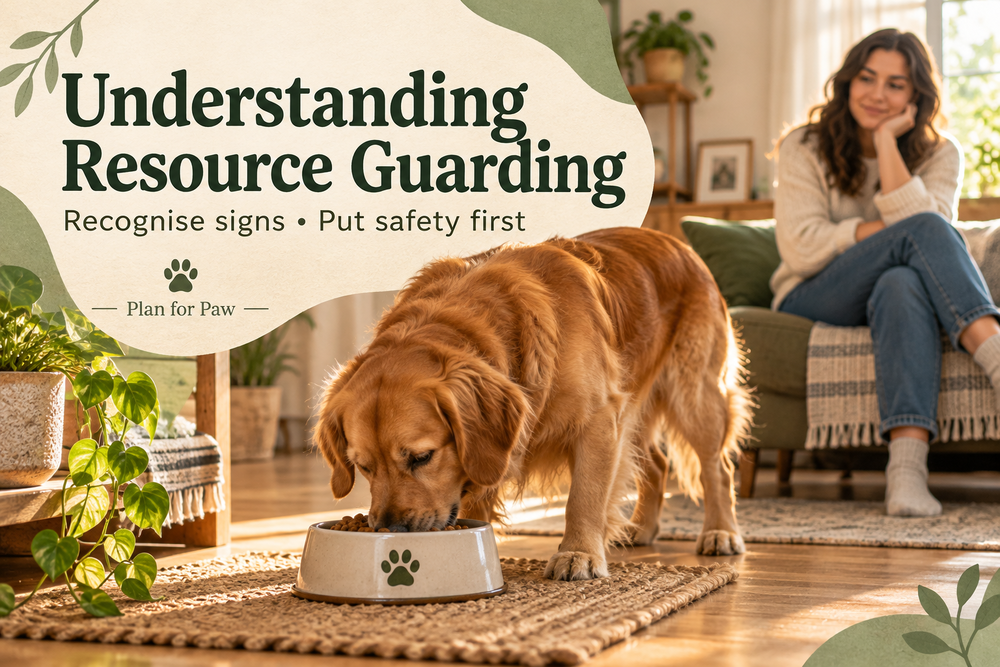 Resource Guarding in Dogs: Signs, Safety and What HelpsA dog that stiffens over the food bowl or growls when you approach a chew is guarding something it values. Here is how to recognise it early, keep everyone safe and what helps.
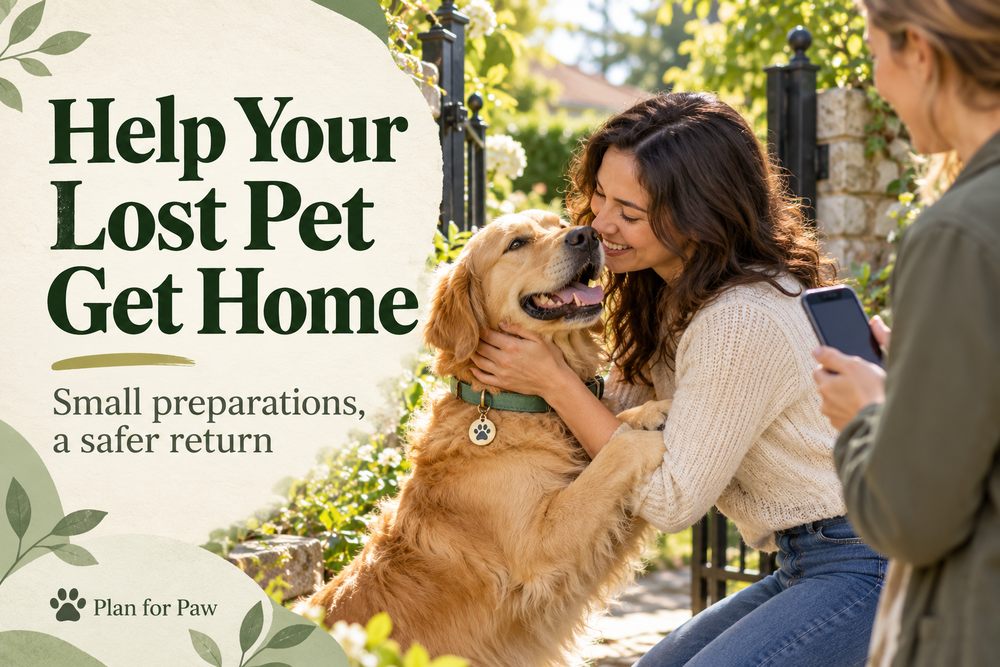 How Lost Pets Actually Get Home — and How to Make Yours Easier to ReturnMost lost pets are found close to home by an ordinary person with a phone. What happens in the next few minutes decides how fast they get back. Here is how reunions really happen, and how to prepare.