Irish Wolfhound
Also known as: Wolfhound, Cú Faoil
The tallest dog breed — gentle by nature, fierce by reputation, short of years.
- Gentle
- Calm
- Dignified
- Patient
- Friendly
The Irish Wolfhound is an ancient Irish sighthound once used to hunt wolves and elk. Today it is the tallest dog breed, famously described as gentle when stroked, fierce when provoked. Wolfhounds are calm, dignified and affectionate, but their size brings serious costs, specific health problems and a short lifespan.
At a glance
- Origin
- Ireland
- Breed group
- Hound / Sighthound
- Size
- Giant
- Weight
- 106–154 lb (48–70 kg)
- Height
- 28–35.4 in (71–90 cm)
- Lifespan
- 6–9 years
- Coat
- Rough, harsh, wiry
- Colours
- Grey, Brindle, Red, Black, White, Fawn
- Average cost
- $180–$300 / month
Breed ratings
Rated 1–5 on the same scale as every other entry, so scores are comparable between breeds. Amber stars mark things that cost you effort rather than things that benefit you.
Temperament
Wolfhounds are gentle giants, usually friendly with people and other dogs. They are not guard dogs despite their size.
Care & upkeep
Exercise
About an hour daily plus safe galloping. Limit puppy exercise to protect growing joints.
Grooming
Weekly brushing and light hand-stripping. Thick bedding is essential.
Training
Sensitive and gentle. Lead manners must be solid while the dog is still small enough to manage.
Feeding & diet
- Typical diet
- Giant-breed formula
- Daily amount
- 1,000–1,600 g of dry food
- Meals per day
- 2–3 meals a day
Giant-breed puppy food and controlled growth are essential to protect joints.
Foods to avoid
- Chocolate
- Grapes and raisins
- Onion and garlic
- Xylitol
- Large single meals
Who this breed suits
A good match for
- Homes with space
- Calm households
- Experienced giant-breed owners
Probably not for
- Small homes
- Tight budgets
- Owners wanting a long-lived dog
- Homes with small pets
Common health problems
This section describes conditions the breed is known to be predisposed to, so you know what to ask about. It is not veterinary advice and is not a diagnosis — always speak to a vet about your own animal.
- Dilated cardiomyopathyA leading cause of death. Annual cardiac screening is advised.
- OsteosarcomaBone cancer occurs at high rates in giant breeds.
- Bloat (GDV)Feed multiple meals and rest around exercise.
- Portosystemic shuntA liver vessel defect seen in puppies; breeders often test litters.
- PneumoniaWolfhounds are prone to respiratory infections.
Expect a short life and high costs. Cardiac screening and insurance are worthwhile.
Interesting facts
- The tallest dog breed, often over 80 cm at the shoulder.
- Mentioned in Irish legends and Roman records.
- Traditionally the mascot of the Irish Guards.
Diet & Feeding
Feed around 1,000–1,600 g of giant-breed food daily across two or three meals. Puppies need a giant-breed formula — rapid growth damages joints. Rest around exercise to reduce bloat risk.
Exercise Needs
Adults need about an hour daily of walking and a chance to gallop in a safe enclosed area. Puppies must not be over-exercised — short, free play only until around 18 months. Prey drive is real; recall in open spaces is unreliable.
Grooming
Brush the rough coat weekly and hand-strip lightly to tidy. Trim the thick nails every three weeks and provide thick soft bedding to prevent calluses and pressure sores.
Health & Vet Care
Wolfhounds face dilated cardiomyopathy, osteosarcoma, bloat, liver shunts in puppies and pneumonia. Lifespan averages only 6–9 years. Annual cardiac screening is strongly recommended. Check that your vet can handle a 70 kg patient.
Training Tips
Wolfhounds are gentle and sensitive and respond to calm, positive training. Teach lead manners early — an adult that pulls is impossible to hold. They are usually friendly with people and dogs.
Read next
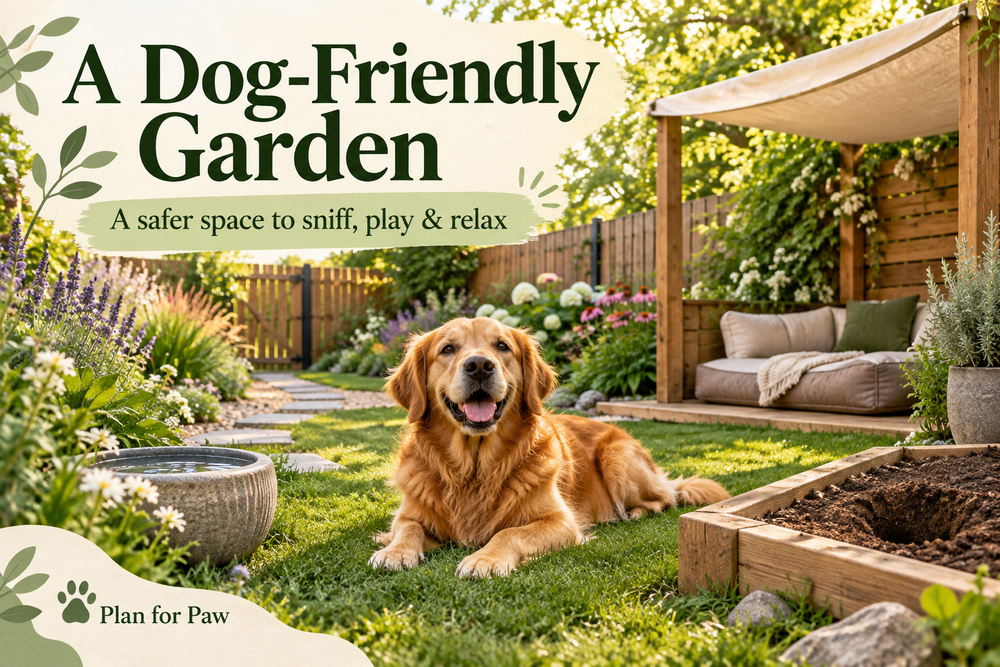 How to Set Up a Dog-Friendly GardenA garden can be a safe, interesting space for your dog — or a source of escapes, toxic plants and dug-up borders. Here is how to set one up for safety, comfort and enrichment.
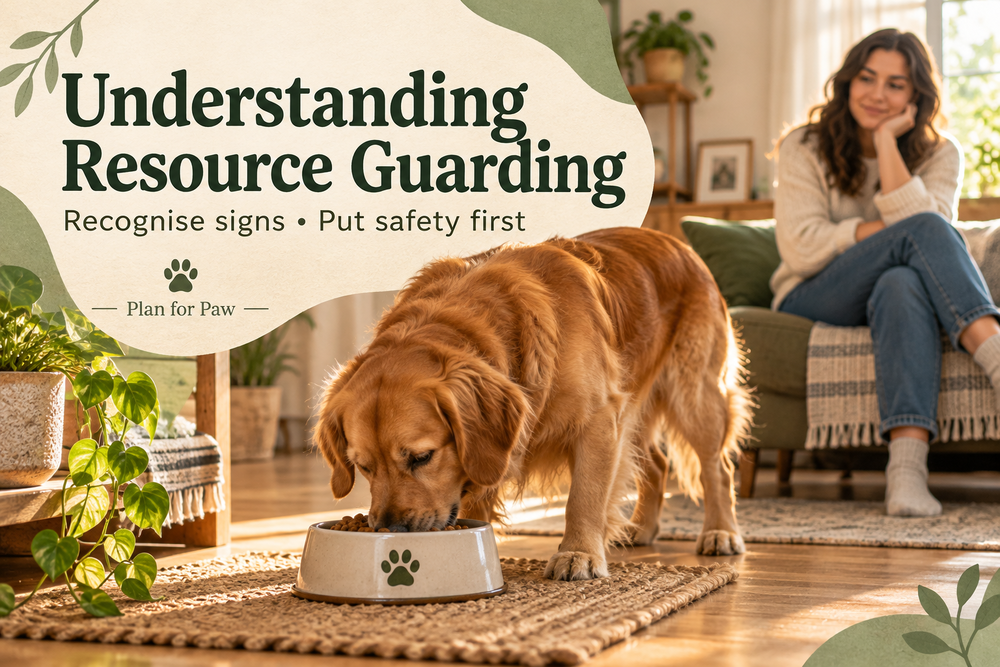 Resource Guarding in Dogs: Signs, Safety and What HelpsA dog that stiffens over the food bowl or growls when you approach a chew is guarding something it values. Here is how to recognise it early, keep everyone safe and what helps.
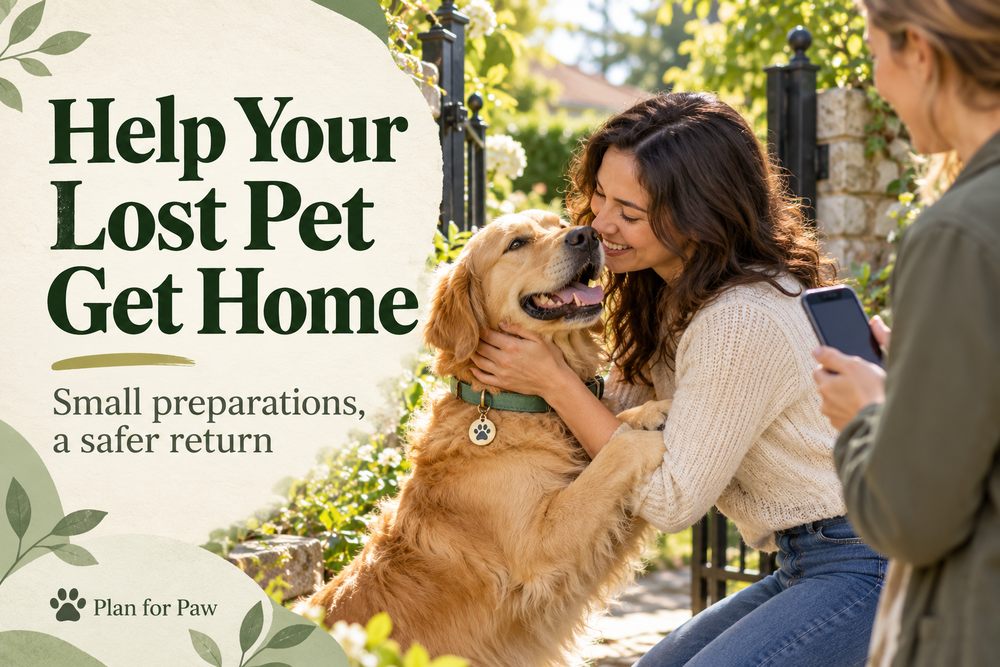 How Lost Pets Actually Get Home — and How to Make Yours Easier to ReturnMost lost pets are found close to home by an ordinary person with a phone. What happens in the next few minutes decides how fast they get back. Here is how reunions really happen, and how to prepare.