
Irish Setter
Also known as: Red Setter, Irish Red Setter
A mahogany-red athlete with boundless energy and a slow route to maturity.
- Friendly
- Exuberant
- Affectionate
- Outgoing
- Playful
The Irish Setter is a gundog bred to find and point game birds across open country. Famous for its rich red coat, the breed is friendly, outgoing and exuberant, staying puppyish well into adulthood. Irish Setters are affectionate family dogs for active owners who can provide plenty of running, patience and grooming.
At a glance
- Origin
- Ireland
- Breed group
- Gundog
- Size
- Large
- Weight
- 55–71 lb (25–32 kg)
- Height
- 22.8–26.4 in (58–67 cm)
- Lifespan
- 12–15 years
- Coat
- Moderately long, silky coat with feathering
- Colours
- Mahogany, Chestnut red
- Average cost
- $110–$180 / month
Breed ratings
Rated 1–5 on the same scale as every other entry, so scores are comparable between breeds. Amber stars mark things that cost you effort rather than things that benefit you.
Temperament
Irish Setters love everyone, including strangers and other dogs. They are poor guard dogs and do not like being left alone.
Care & upkeep
Exercise
Two hours daily including off-lead running in safe spaces.
Grooming
Brush 2–3 times weekly, focusing on the feathering. Dry ears after swimming.
Training
Willing but easily distracted. Keep sessions short, and focus on recall and calm greetings.
Feeding & diet
- Typical diet
- Quality active-dog diet
- Daily amount
- 450–700 g of dry food
- Meals per day
- 2 meals a day
Lean athletes with bloat risk. Feed two meals and rest around exercise.
Foods to avoid
- Chocolate
- Grapes and raisins
- Onion and garlic
- Xylitol
- Large meals around exercise
Who this breed suits
A good match for
- Very active families
- Runners and hikers
- Homes with large gardens
- Owners with time for training
Probably not for
- Apartments
- Owners away all day
- Sedentary households
Common health problems
This section describes conditions the breed is known to be predisposed to, so you know what to ask about. It is not veterinary advice and is not a diagnosis — always speak to a vet about your own animal.
- Bloat (GDV)A surgical emergency in deep-chested breeds. Learn the signs.
- Hip dysplasiaScreened by responsible breeders.
- HypothyroidismEasily managed once diagnosed.
- Progressive retinal atrophyA DNA-testable cause of blindness.
- CLADAn inherited immune disorder with a DNA test available.
Ask breeders for CLAD and PRA DNA results and hip scores.
Interesting facts
- The red colour became fashionable in the 19th century; earlier setters were often red and white.
- Famous for staying puppyish until around three years old.
- A favourite subject of Victorian sporting painters.
Diet & Feeding
Feed around 450–700 g of quality food daily across two meals, adjusted to activity. Irish Setters are lean athletes. They are deep-chested and at risk of bloat, so rest an hour before and after exercise and avoid large single meals.
Exercise Needs
Plan on two hours daily, including off-lead running in safe open spaces. They were bred to cover ground all day. Without enough exercise they become restless and destructive. Recall needs work, because a scent or bird takes priority.
Grooming
Brush 2–3 times a week, paying attention to the ear, chest and leg feathering where tangles form. Trim the feet and ears for tidiness. Bathe every 4–6 weeks. Check ears weekly and dry them after swimming.
Health & Vet Care
Watch for bloat (GDV), hip dysplasia, hypothyroidism, progressive retinal atrophy and canine leukocyte adhesion deficiency (CLAD), an immune disorder with a DNA test. Ask breeders for hip scores and DNA results.
Training Tips
Irish Setters are friendly and willing but easily distracted and slow to mature. Short, upbeat sessions work best. Prioritise recall and calm greetings — they are enthusiastic jumpers.
Read next
 How to Set Up a Dog-Friendly GardenA garden can be a safe, interesting space for your dog — or a source of escapes, toxic plants and dug-up borders. Here is how to set one up for safety, comfort and enrichment.
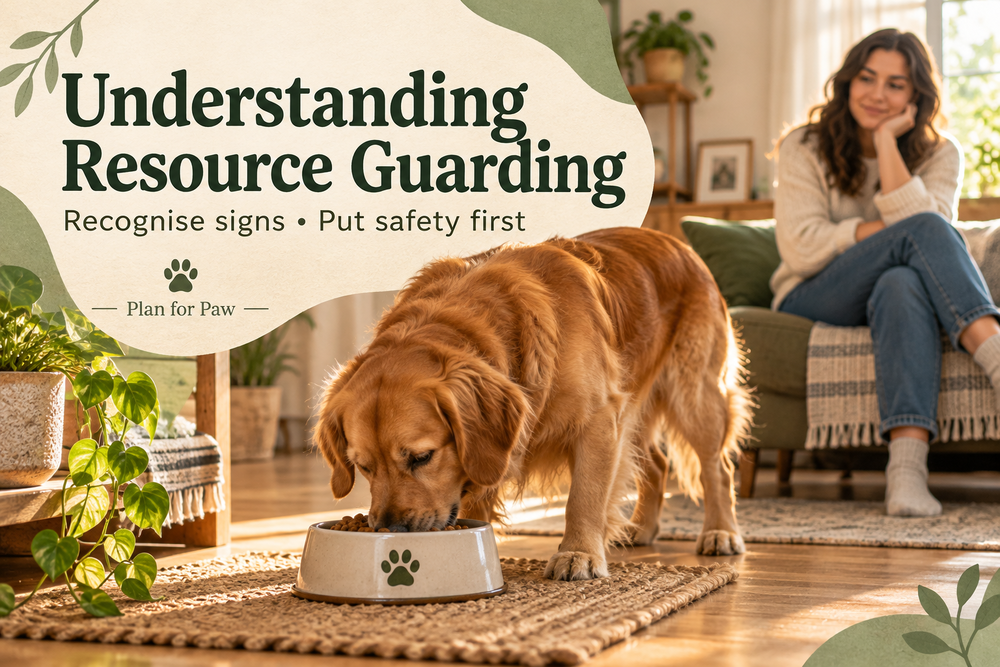 Resource Guarding in Dogs: Signs, Safety and What HelpsA dog that stiffens over the food bowl or growls when you approach a chew is guarding something it values. Here is how to recognise it early, keep everyone safe and what helps.
 How Lost Pets Actually Get Home — and How to Make Yours Easier to ReturnMost lost pets are found close to home by an ordinary person with a phone. What happens in the next few minutes decides how fast they get back. Here is how reunions really happen, and how to prepare.