
Havanese
Also known as: Havanese Cuban Bichon, Bichon Habanero
Cuba's national dog — a sociable, clownish companion with a silky coat and springy step.
- Sociable
- Affectionate
- Playful
- Gentle
- Clownish
The Havanese is a small Bichon-type breed from Cuba, bred purely as a companion and known for its outgoing, affectionate and playful nature. They are sturdier than most toy breeds, adapt well to city or country life and get on with almost everyone. Havanese are often called velcro dogs because they hate being apart from their people, and their coat needs regular care.
At a glance
- Origin
- Cuba
- Breed group
- Toy / Companion
- Size
- Small
- Weight
- 7–13 lb (3–6 kg)
- Height
- 8.7–11.4 in (22–29 cm)
- Lifespan
- 14–16 years
- Coat
- Long, soft, silky double coat
- Colours
- White, Cream, Gold, Chocolate, Black, Sable, Parti
- Average cost
- $70–$130 / month
Breed ratings
Rated 1–5 on the same scale as every other entry, so scores are comparable between breeds. Amber stars mark things that cost you effort rather than things that benefit you.
Temperament
Havanese love everyone and want to be involved in everything. They are excellent with children and other pets but find long periods alone genuinely difficult.
Care & upkeep
Exercise
30–45 minutes daily of walks and play. Havanese enjoy agility and tricks but need company more than distance.
Grooming
Brush to the skin 3–4 times a week, or keep a shorter trim every 6–8 weeks. Check behind the ears and under the legs for mats.
Training
Quick learners who love tricks. House-training needs patience; alone-time training from puppyhood is the most valuable investment.
Feeding & diet
- Typical diet
- Measured small-breed diet
- Daily amount
- 90–150 g of dry food
- Meals per day
- 2 meals a day
Food-motivated and prone to weight gain after neutering. Measure portions and use part of the ration for training.
Foods to avoid
- Chocolate
- Grapes and raisins
- Onion and garlic
- Xylitol
- Fatty table scraps
Who this breed suits
A good match for
- Apartments
- Families with children
- First-time owners
- Multi-pet households
Probably not for
- Owners away all day
- People wanting a guard dog
- Households unwilling to groom
Common health problems
This section describes conditions the breed is known to be predisposed to, so you know what to ask about. It is not veterinary advice and is not a diagnosis — always speak to a vet about your own animal.
- Patellar luxationSlipping kneecaps, common in small breeds.
- Eye conditionsCataracts and retinal problems occur. Ask for eye screening of the parents.
- Legg-Calvé-Perthes diseaseDegeneration of the hip joint head in young dogs, causing lameness.
- DeafnessOccurs in the breed. BAER hearing testing of puppies is available.
- Dental diseaseCommon in small breeds — brush teeth several times a week.
Usually robust and long-lived. BAER hearing tests and eye screening are worth asking breeders about.
Interesting facts
- Cuba's national dog and the only breed native to the island.
- Nearly disappeared after the Cuban revolution; the modern breed was rebuilt from a small number of dogs taken to the US.
- Known for a springy, bouncy gait.
Diet & Feeding
Feed around 90–150 g of quality small-breed food daily across two meals. Havanese are food-motivated and gain weight readily once neutered, and the coat hides a thickening waist, so check by hand monthly. Use part of the daily ration as training treats rather than adding extras.
Exercise Needs
About 30–45 minutes of exercise daily, split into walks and play, suits most Havanese. They are lively and enjoy agility, tricks and fetch, but they are just as happy with indoor games. They adapt easily to apartments. Their main need is company rather than distance.
Grooming
The coat needs brushing down to the skin 3–4 times a week to prevent mats, especially behind the ears and under the legs. Many owners keep a shorter trim every 6–8 weeks. Bathe every 3–4 weeks, clean ears weekly and trim nails every three weeks. Shedding is low.
Health & Vet Care
A generally healthy breed. Watch for patellar luxation, hip dysplasia and Legg-Calvé-Perthes disease, cataracts and other eye conditions, deafness and dental disease. Ask breeders for hearing (BAER) testing and eye and patella screening of the parents.
Training Tips
Havanese are bright, eager to please and quick to learn tricks, and they respond best to cheerful, reward-based training. House-training can be slow. The most important project is teaching them to be comfortable alone, starting with seconds and minutes in puppyhood, because separation anxiety is common.
Read next
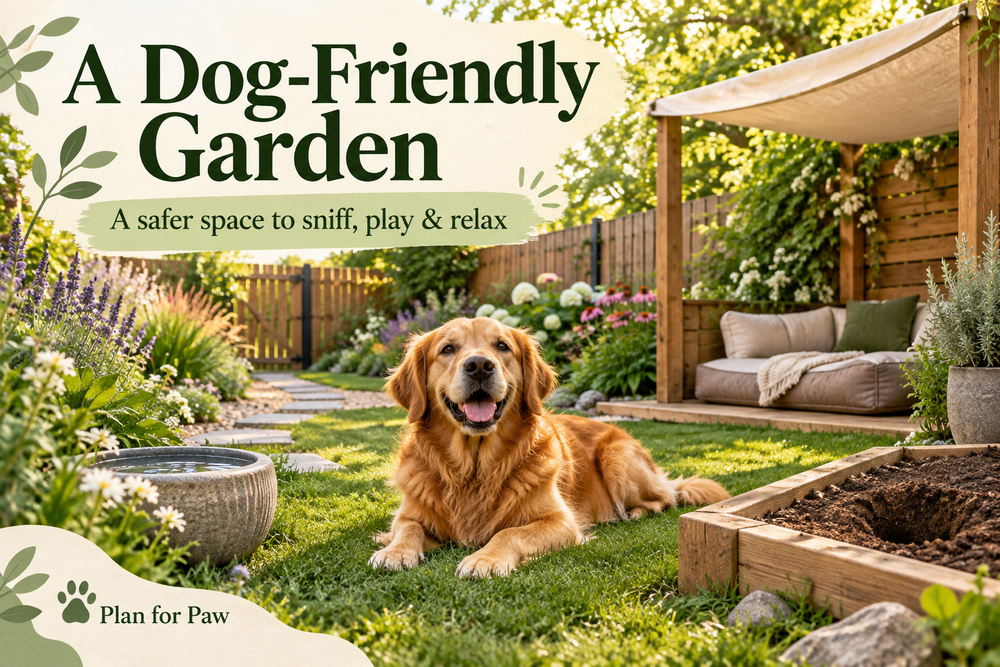 How to Set Up a Dog-Friendly GardenA garden can be a safe, interesting space for your dog — or a source of escapes, toxic plants and dug-up borders. Here is how to set one up for safety, comfort and enrichment.
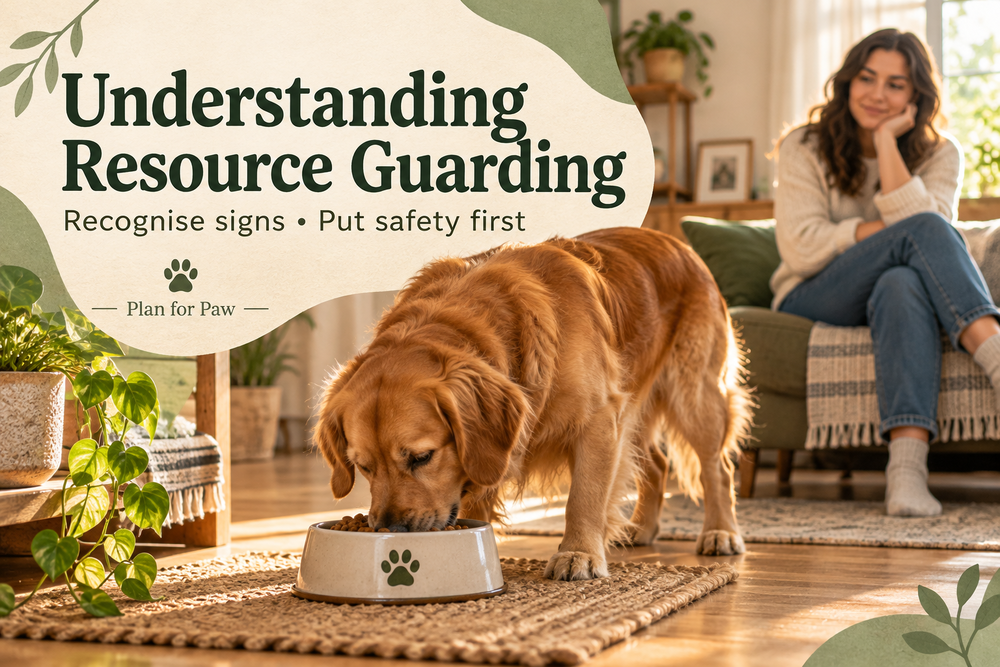 Resource Guarding in Dogs: Signs, Safety and What HelpsA dog that stiffens over the food bowl or growls when you approach a chew is guarding something it values. Here is how to recognise it early, keep everyone safe and what helps.
 How Lost Pets Actually Get Home — and How to Make Yours Easier to ReturnMost lost pets are found close to home by an ordinary person with a phone. What happens in the next few minutes decides how fast they get back. Here is how reunions really happen, and how to prepare.