German Shorthaired Pointer
Also known as: GSP, Deutsch Kurzhaar
An all-purpose hunting dog with endless energy and an affectionate heart.
- Energetic
- Intelligent
- Affectionate
- Eager
- Bold
The German Shorthaired Pointer was developed in Germany as a versatile hunting dog that could point, retrieve and track on land and in water. GSPs are athletic, intelligent and eager to work, and they are affectionate with their families. They thrive with active owners who can give them several hours of exercise and a job to do.
At a glance
- Origin
- Germany
- Breed group
- Gundog
- Size
- Large
- Weight
- 44–71 lb (20–32 kg)
- Height
- 20.9–25.2 in (53–64 cm)
- Lifespan
- 12–14 years
- Coat
- Short, dense, water-resistant
- Colours
- Liver, Liver & White, Liver Roan, Black, Black & White
- Average cost
- $110–$180 / month
Breed ratings
Rated 1–5 on the same scale as every other entry, so scores are comparable between breeds. Amber stars mark things that cost you effort rather than things that benefit you.
Temperament
GSPs are devoted to their families and good with children, but their energy can overwhelm small children. They have strong prey drive.
Care & upkeep
Exercise
Two hours or more daily, plus mental work. Secure fencing is essential.
Grooming
A weekly rubber-mitt brush. Check feet and ears after work.
Training
Highly trainable. Focus on impulse control, recall and alone-time from the start.
Feeding & diet
- Typical diet
- High-protein working-dog diet
- Daily amount
- 450–750 g of dry food
- Meals per day
- 2 meals a day
Feed to workload and body condition. Rest around exercise to reduce bloat risk.
Foods to avoid
- Chocolate
- Grapes and raisins
- Onion and garlic
- Xylitol
- Large meals around exercise
Who this breed suits
A good match for
- Very active owners
- Hunters and field trial enthusiasts
- Runners and cyclists
- Rural homes
Probably not for
- Apartments
- Sedentary households
- Homes with small pets
- Owners away all day
Common health problems
This section describes conditions the breed is known to be predisposed to, so you know what to ask about. It is not veterinary advice and is not a diagnosis — always speak to a vet about your own animal.
- Hip dysplasiaScreened by responsible breeders.
- Bloat (GDV)Deep-chested breed — rest around meals.
- Cone degenerationDay blindness, with a DNA test available.
- EntropionInward-rolling eyelids that may need surgery.
- CancerReport any new lump promptly.
Separation anxiety is common — build alone-time from puppyhood.
Interesting facts
- Bred as an all-purpose hunting dog for land and water.
- Webbed feet make them strong swimmers.
- Consistently among the most popular breeds in the United States.
Diet & Feeding
Feed around 450–750 g of quality high-protein food daily, split into two meals and adjusted to activity — working dogs need more. Rest around exercise because of bloat risk in this deep-chested breed. Keep them lean and athletic.
Exercise Needs
GSPs need two hours or more daily of real activity — running, swimming, canicross, hunting or field trials. Without it they become destructive and noisy. Mental work matters too. Secure fencing is essential; they jump and roam.
Grooming
Very easy: a weekly rubber-mitt brush. Check ears and feet after work in cover or water. Trim nails every three weeks. The short coat is not warm — consider a coat in cold weather for inactive periods.
Health & Vet Care
Watch for hip dysplasia, bloat, cone degeneration (day blindness), entropion, lymphoedema and certain cancers. Ask breeders for hip scores and eye screening.
Training Tips
GSPs are bright, biddable and highly trainable, but they need early structure and impulse control. Start recall and lead manners early. Separation anxiety is common, so build alone-time gradually.
Read next
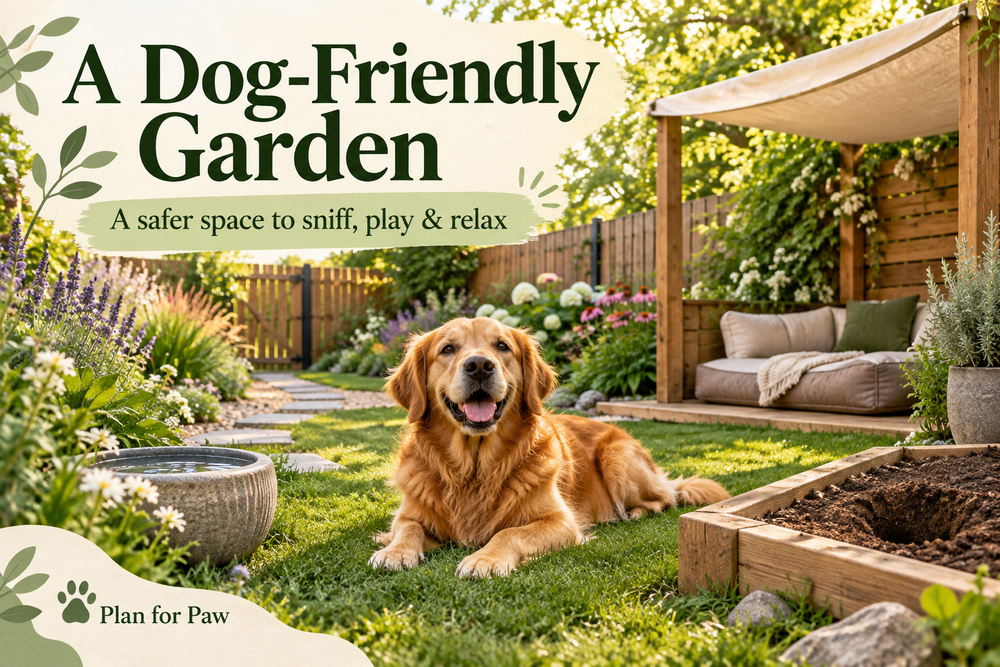 How to Set Up a Dog-Friendly GardenA garden can be a safe, interesting space for your dog — or a source of escapes, toxic plants and dug-up borders. Here is how to set one up for safety, comfort and enrichment.
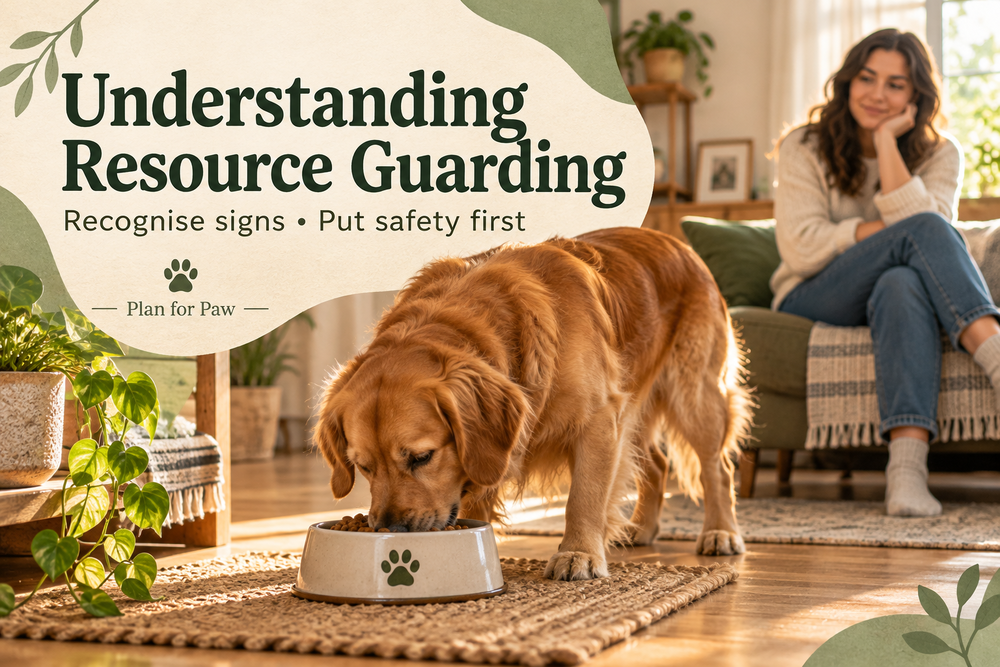 Resource Guarding in Dogs: Signs, Safety and What HelpsA dog that stiffens over the food bowl or growls when you approach a chew is guarding something it values. Here is how to recognise it early, keep everyone safe and what helps.
 How Lost Pets Actually Get Home — and How to Make Yours Easier to ReturnMost lost pets are found close to home by an ordinary person with a phone. What happens in the next few minutes decides how fast they get back. Here is how reunions really happen, and how to prepare.