Flat-Coated Retriever
Also known as: Flatcoat, Flattie
The Peter Pan of retrievers — cheerful, glossy and forever young at heart.
- Cheerful
- Friendly
- Playful
- Optimistic
- Outgoing
The Flat-Coated Retriever is a British gundog known for its glossy black or liver coat and its permanently happy, wagging nature. Flatcoats are friendly, enthusiastic and playful well into old age. They need plenty of exercise and company, and owners should be aware of the breed's high cancer risk.
At a glance
- Origin
- England, UK
- Breed group
- Gundog
- Size
- Large
- Weight
- 55–79 lb (25–36 kg)
- Height
- 22–24 in (56–61 cm)
- Lifespan
- 8–10 years
- Coat
- Dense, flat, glossy with feathering
- Colours
- Black, Liver
- Average cost
- $110–$180 / month
Breed ratings
Rated 1–5 on the same scale as every other entry, so scores are comparable between breeds. Amber stars mark things that cost you effort rather than things that benefit you.
Temperament
Flatcoats love people and other dogs and rarely show aggression. They are poor guard dogs and dislike being alone.
Care & upkeep
Exercise
90 minutes to two hours daily, ideally with swimming and retrieving.
Grooming
Brush 2–3 times weekly and dry ears after swimming.
Training
Willing but easily distracted. Fun, varied sessions and early recall work are best.
Feeding & diet
- Typical diet
- Quality active-dog diet
- Daily amount
- 450–700 g of dry food
- Meals per day
- 2 meals a day
Keep Flatcoats lean and rest around exercise.
Foods to avoid
- Chocolate
- Grapes and raisins
- Onion and garlic
- Xylitol
- Large meals around exercise
Who this breed suits
A good match for
- Active families
- Gundog enthusiasts
- Homes near water
- Owners home much of the day
Probably not for
- Sedentary households
- Owners away all day
- Apartments
Common health problems
This section describes conditions the breed is known to be predisposed to, so you know what to ask about. It is not veterinary advice and is not a diagnosis — always speak to a vet about your own animal.
- Histiocytic sarcomaAn aggressive cancer seen at high rates in the breed.
- Other cancersSoft-tissue cancers are a leading cause of death.
- Hip dysplasiaScreened by responsible breeders.
- GlaucomaAsk breeders for gonioscopy results.
- Patellar luxationSlipping kneecaps occur.
Ask breeders directly about cancer and longevity in their lines.
Interesting facts
- Often called the Peter Pan of dogs for staying puppyish into old age.
- Was more popular than the Golden Retriever in the early 1900s.
- Most Flatcoats are black; liver is the only other accepted colour.
Diet & Feeding
Feed around 450–700 g of quality food daily across two meals, adjusted to activity. Flatcoats love food; keep them lean. Rest around exercise to reduce bloat risk.
Exercise Needs
Plan on 90 minutes to two hours daily, ideally including swimming and retrieving. Flatcoats are working gundogs and need both exercise and mental work. They stay puppyish for years.
Grooming
Brush 2–3 times a week, focusing on the feathering on the ears, chest and legs. Trim the feet and ears for tidiness. Dry the ears after swimming.
Health & Vet Care
The breed has a very high cancer rate, especially histiocytic sarcoma and other soft-tissue cancers, which shortens lifespan. Also watch for hip dysplasia, glaucoma and patellar luxation. Ask breeders for hip and eye results and family longevity.
Training Tips
Flatcoats are willing, friendly and easy to train, though easily distracted. Keep sessions fun and varied. Prioritise recall and calm greetings — they greet everyone with enthusiasm.
Read next
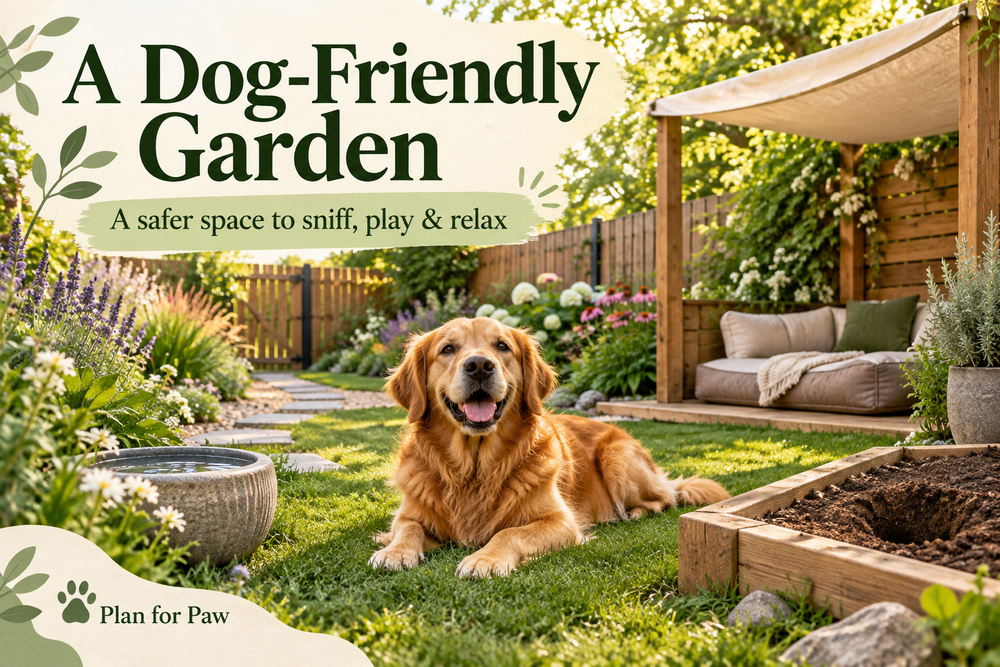 How to Set Up a Dog-Friendly GardenA garden can be a safe, interesting space for your dog — or a source of escapes, toxic plants and dug-up borders. Here is how to set one up for safety, comfort and enrichment.
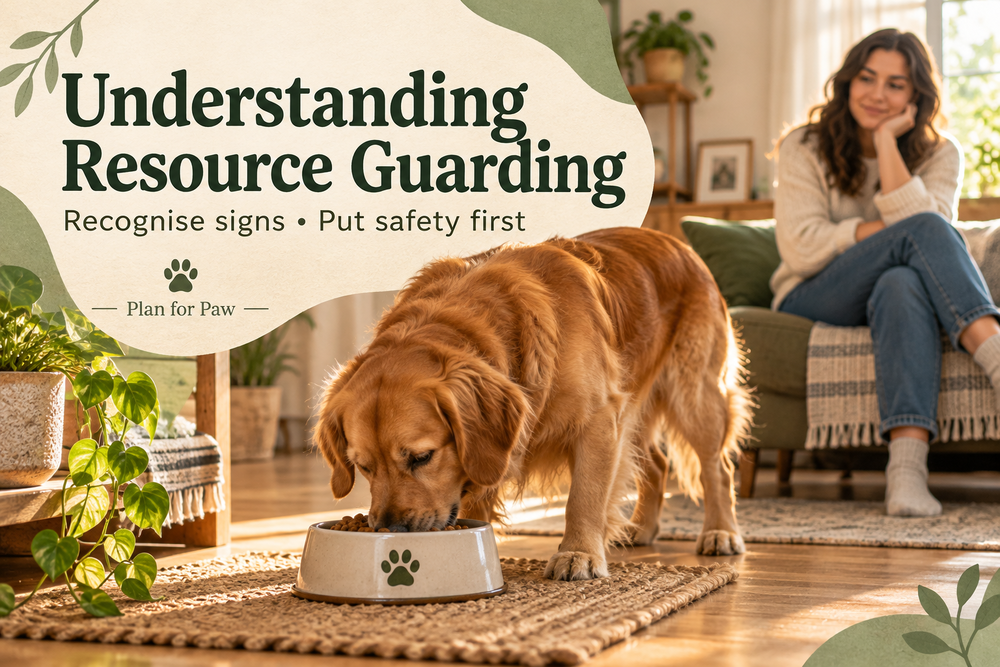 Resource Guarding in Dogs: Signs, Safety and What HelpsA dog that stiffens over the food bowl or growls when you approach a chew is guarding something it values. Here is how to recognise it early, keep everyone safe and what helps.
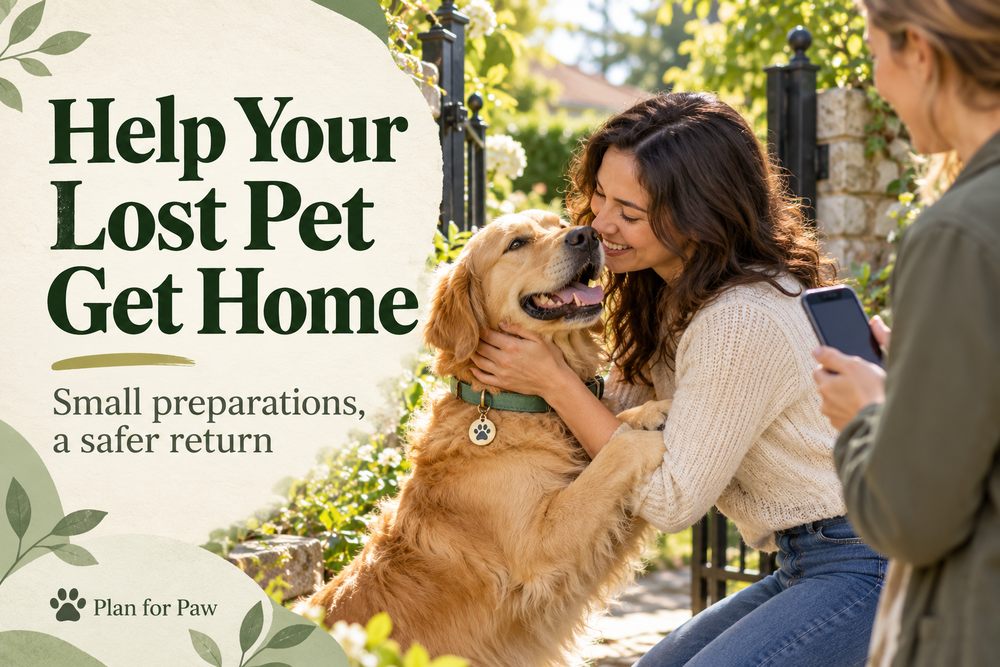 How Lost Pets Actually Get Home — and How to Make Yours Easier to ReturnMost lost pets are found close to home by an ordinary person with a phone. What happens in the next few minutes decides how fast they get back. Here is how reunions really happen, and how to prepare.