Dalmatian
Also known as: Dal, Carriage Dog, Firehouse Dog
Spotted, athletic and full of stamina — a carriage dog that still wants to run.
- Energetic
- Outgoing
- Loyal
- Playful
- Alert
The Dalmatian was used for centuries as a carriage dog, running alongside horses and guarding them at night. Dalmatians are energetic, outgoing and loyal, with remarkable stamina. They need a lot of exercise and training, they shed heavily, and they have a unique urinary system that affects diet and health.
At a glance
- Origin
- Croatia (Dalmatia)
- Breed group
- Non-Sporting / Utility
- Size
- Large
- Weight
- 44–71 lb (20–32 kg)
- Height
- 21.3–24 in (54–61 cm)
- Lifespan
- 11–13 years
- Coat
- Short, dense, glossy
- Colours
- White with Black spots, White with Liver spots
- Average cost
- $100–$170 / month
Breed ratings
Rated 1–5 on the same scale as every other entry, so scores are comparable between breeds. Amber stars mark things that cost you effort rather than things that benefit you.
Temperament
Dalmatians are loyal and friendly with family but can be reserved with strangers. They need plenty of activity to stay calm.
Care & upkeep
Exercise
Two hours daily. Excellent running partners once fully grown.
Grooming
Brush 2–3 times weekly with a rubber mitt. Expect heavy year-round shedding.
Training
Intelligent but strong-willed. Early socialisation and consistent training are essential. Deaf dogs train well with hand signals.
Feeding & diet
- Typical diet
- Moderate-protein, low-purine diet
- Daily amount
- 400–650 g of dry food
- Meals per day
- 2 meals a day
Dalmatians are prone to urate stones. Avoid organ meats and game, keep water available and discuss a low-purine diet with your vet.
Foods to avoid
- Organ meats and game
- Chocolate
- Grapes and raisins
- Onion and garlic
- Xylitol
Who this breed suits
A good match for
- Very active owners
- Runners
- Families with older children
- Homes with gardens
Probably not for
- Apartments
- Sedentary households
- People sensitive to shedding
Common health problems
This section describes conditions the breed is known to be predisposed to, so you know what to ask about. It is not veterinary advice and is not a diagnosis — always speak to a vet about your own animal.
- Urate bladder stonesA breed-specific metabolic trait. Water and a low-purine diet help; straining to urinate is an emergency.
- DeafnessCommon. BAER hearing tests are available for puppies.
- Skin allergiesItchy skin occurs in the breed.
- Hip dysplasiaScreened by responsible breeders.
Ask breeders for BAER hearing results. Keep water bowls full and watch for urinary problems.
Interesting facts
- Puppies are born completely white; spots develop over the first weeks.
- Long associated with fire brigades because they ran ahead of horse-drawn fire engines.
- Made famous by 101 Dalmatians.
Diet & Feeding
Feed around 400–650 g of quality food daily across two meals. Dalmatians process purines differently and are prone to urate bladder stones. Many vets recommend a moderate-protein, low-purine diet — avoid organ meats and game — and plenty of water. Discuss diet with your vet.
Exercise Needs
Plan on two hours daily of real activity. Dalmatians have huge stamina and enjoy running, canicross, agility and long hikes. Under-exercised Dalmatians become hyperactive and destructive.
Grooming
The short coat sheds heavily all year. Brush with a rubber mitt 2–3 times a week. Bathe occasionally. Trim nails every three weeks.
Health & Vet Care
Key concerns are urate bladder stones, deafness (around a third have some hearing loss — BAER test puppies), skin allergies and hip dysplasia. Blocked urination is an emergency, especially in males. Some breeders use low-uric-acid (LUA) Dalmatians that do not carry the stone risk.
Training Tips
Dalmatians are intelligent and willing but can be strong-willed and excitable. Start socialisation and training early. Deaf Dalmatians can be trained very successfully with hand signals.
Read next
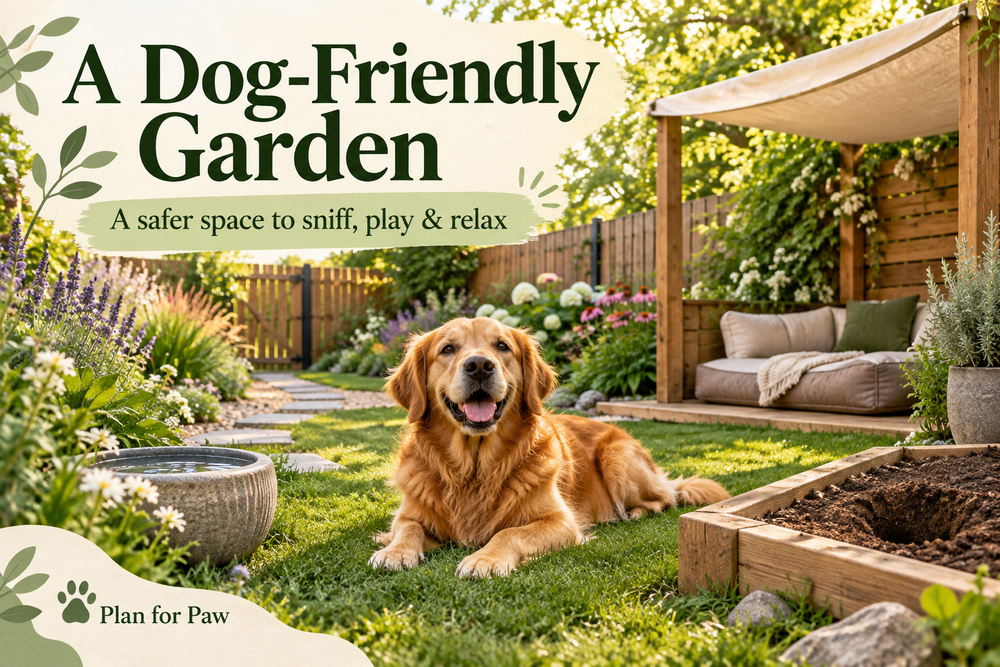 How to Set Up a Dog-Friendly GardenA garden can be a safe, interesting space for your dog — or a source of escapes, toxic plants and dug-up borders. Here is how to set one up for safety, comfort and enrichment.
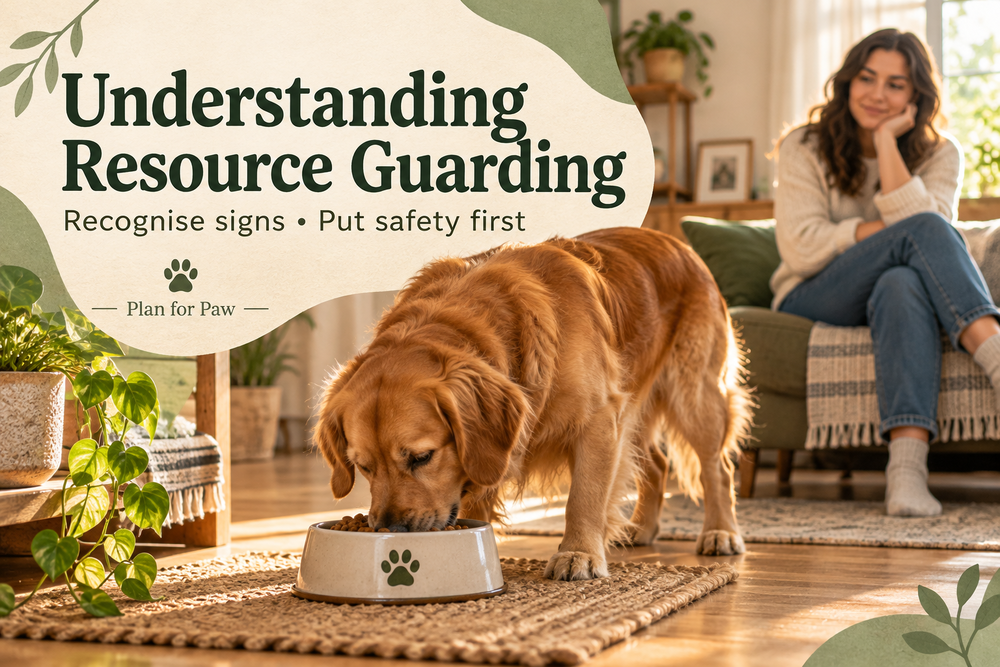 Resource Guarding in Dogs: Signs, Safety and What HelpsA dog that stiffens over the food bowl or growls when you approach a chew is guarding something it values. Here is how to recognise it early, keep everyone safe and what helps.
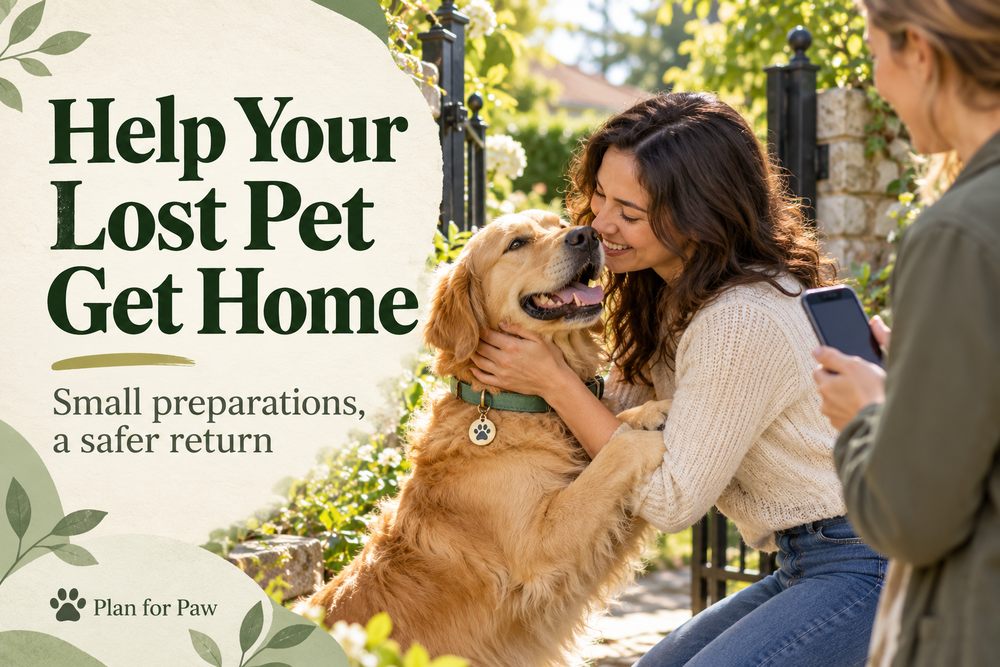 How Lost Pets Actually Get Home — and How to Make Yours Easier to ReturnMost lost pets are found close to home by an ordinary person with a phone. What happens in the next few minutes decides how fast they get back. Here is how reunions really happen, and how to prepare.