
Cockapoo
Also known as: Cockerpoo, Spoodle
A cheerful Cocker–Poodle cross — friendly, clever and very popular, with variable coats.
- Friendly
- Affectionate
- Intelligent
- Lively
- Sociable
The Cockapoo is a cross between a Cocker Spaniel and a Poodle, developed as a friendly, low-shedding family companion. Cockapoos are generally affectionate, sociable and intelligent, but as a crossbreed they vary in size, coat and temperament. Choosing a responsible breeder who health-tests both parents is the single most important decision for a Cockapoo owner.
At a glance
- Origin
- United States / United Kingdom
- Breed group
- Crossbreed (Cocker Spaniel × Poodle)
- Size
- Small
- Weight
- 11–24 lb (5–11 kg)
- Height
- 9.8–15 in (25–38 cm)
- Lifespan
- 13–16 years
- Coat
- Wavy to curly, low to moderate shedding — varies
- Colours
- Apricot, Red, Black, Chocolate, Cream, Parti, Merle
- Average cost
- $80–$150 / month
Breed ratings
Rated 1–5 on the same scale as every other entry, so scores are comparable between breeds. Amber stars mark things that cost you effort rather than things that benefit you.
Temperament
Cockapoos are typically friendly with everyone and good with children and other pets. They bond closely and can struggle with long periods alone.
Care & upkeep
Exercise
About an hour daily with sniffing and play. Working Cocker lines may need more.
Grooming
Brush 3–4 times weekly and groom professionally every 6–8 weeks. Dry ears after swimming or baths.
Training
Bright and eager. Teach calm greetings and alone-time early.
Feeding & diet
- Typical diet
- Quality small-to-medium diet
- Daily amount
- 120–260 g of dry food, by size
- Meals per day
- 2 meals a day
Cockapoos love food. Measure portions and use part of the ration for training.
Foods to avoid
- Chocolate
- Grapes and raisins
- Onion and garlic
- Xylitol
- Fatty table scraps
Who this breed suits
A good match for
- Families with children
- First-time owners
- Apartments with daily walks
- Many allergy-sensitive homes
Probably not for
- Owners away all day
- People unwilling to budget for grooming
Common health problems
This section describes conditions the breed is known to be predisposed to, so you know what to ask about. It is not veterinary advice and is not a diagnosis — always speak to a vet about your own animal.
- Ear infectionsFloppy, hairy ears trap moisture. Check and dry weekly.
- Progressive retinal atrophyBoth parent breeds can carry prcd-PRA. Ask for DNA tests.
- Familial nephropathyA kidney disease in Cocker lines with a DNA test available.
- Patellar luxationSlipping kneecaps, especially in smaller Cockapoos.
- AllergiesItchy skin and ears are common.
As a crossbreed, health and temperament vary. Ask to see health tests for both parents before buying.
Interesting facts
- One of the first designer crossbreeds, dating back to the 1950s in the US.
- Size depends on whether a Toy, Miniature or Standard Poodle was used.
- Coats can range from straight to tight curls within one litter.
Diet & Feeding
Feed around 120–260 g of quality food daily depending on size, across two meals. Cockapoos inherit the Cocker's love of food, so measure portions and use part of the ration for training. Check body condition by hand — the coat hides weight.
Exercise Needs
About an hour a day of walks, play and sniffing. Cockapoos are lively and enjoy fetch, scent work and agility. Working Cocker parentage can mean more energy than expected. Mental work helps settle them.
Grooming
Coats vary, but most need brushing 3–4 times a week down to the skin and a professional groom every 6–8 weeks. Mats form behind the ears and under the legs. Check and dry the ears weekly — they are prone to ear infections.
Health & Vet Care
Health depends heavily on the parents. Ask for progressive retinal atrophy (prcd-PRA) and familial nephropathy DNA tests, plus hip scores and eye certificates for both Cocker and Poodle parents. Common problems include ear infections, patellar luxation and allergies.
Training Tips
Cockapoos are bright and eager, and most train easily with rewards. They can be excitable and jump up, so teach calm greetings early. Build alone-time gradually — many are prone to separation anxiety.
Read next
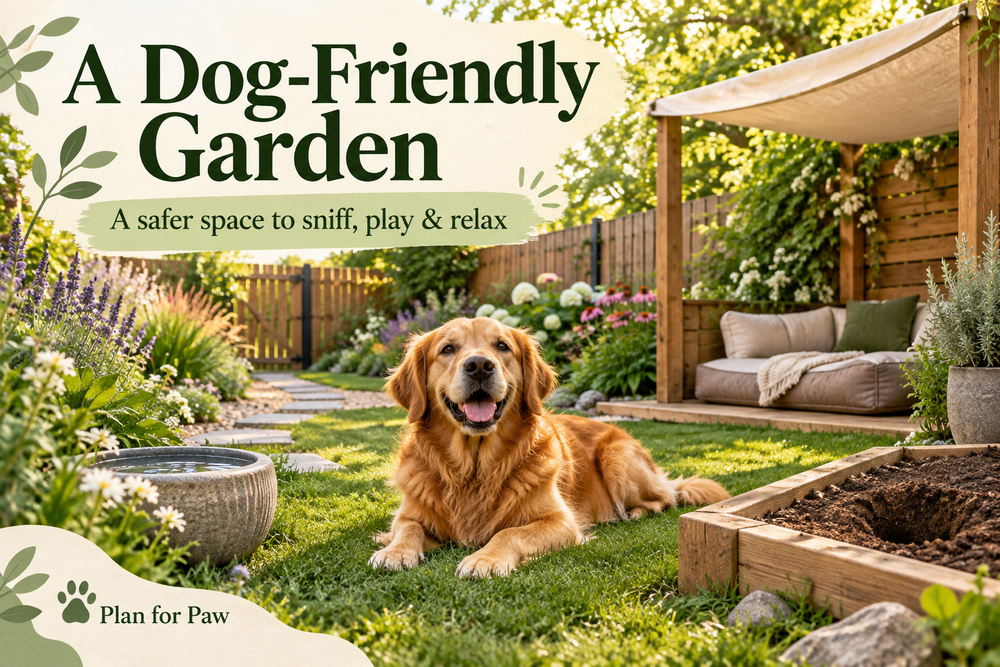 How to Set Up a Dog-Friendly GardenA garden can be a safe, interesting space for your dog — or a source of escapes, toxic plants and dug-up borders. Here is how to set one up for safety, comfort and enrichment.
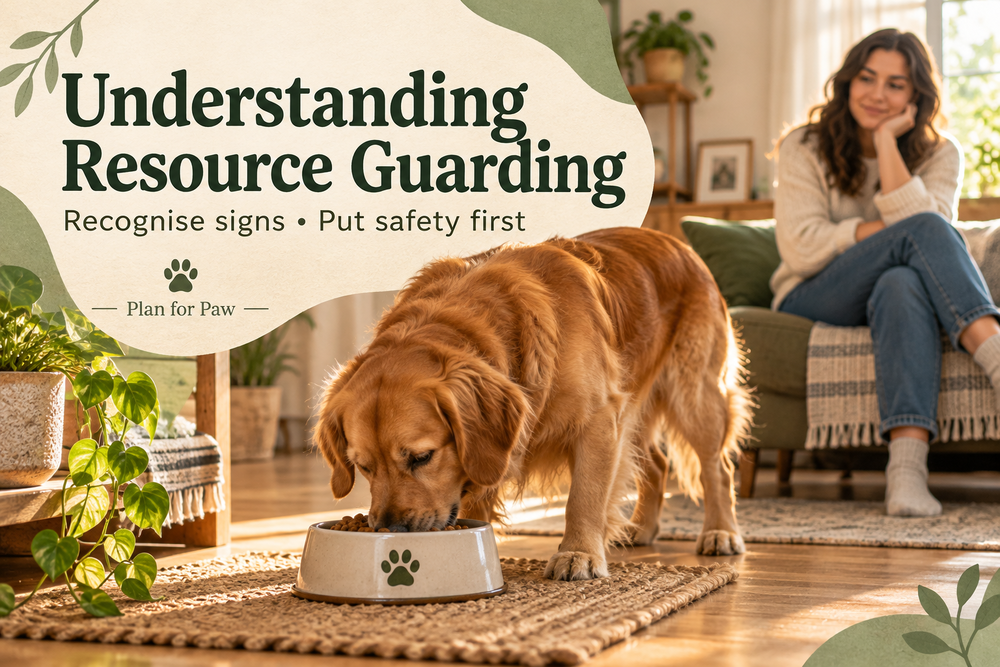 Resource Guarding in Dogs: Signs, Safety and What HelpsA dog that stiffens over the food bowl or growls when you approach a chew is guarding something it values. Here is how to recognise it early, keep everyone safe and what helps.
 How Lost Pets Actually Get Home — and How to Make Yours Easier to ReturnMost lost pets are found close to home by an ordinary person with a phone. What happens in the next few minutes decides how fast they get back. Here is how reunions really happen, and how to prepare.