Chow Chow
Also known as: Chow, Songshi Quan
A lion-like ancient spitz with a blue-black tongue and a cat's independence.
- Aloof
- Loyal
- Dignified
- Independent
- Protective
The Chow Chow is an ancient Chinese breed used as a guard, hunting and working dog. Chows are dignified, aloof and fiercely loyal, often bonding with one person and ignoring strangers. They are clean and quiet at home but need experienced, patient handling, early socialisation and serious coat care.
At a glance
- Origin
- China
- Breed group
- Spitz / Utility
- Size
- Medium
- Weight
- 44–71 lb (20–32 kg)
- Height
- 18.1–22 in (46–56 cm)
- Lifespan
- 9–12 years
- Coat
- Rough or smooth dense double coat
- Colours
- Red, Black, Blue, Cinnamon, Cream
- Average cost
- $90–$170 / month
Breed ratings
Rated 1–5 on the same scale as every other entry, so scores are comparable between breeds. Amber stars mark things that cost you effort rather than things that benefit you.
Temperament
Chows are devoted to their family but reserved or suspicious with strangers and other dogs. They dislike rough handling.
Care & upkeep
Exercise
45–60 minutes of steady walking, in cool parts of the day.
Grooming
Brush 2–3 times weekly to the skin and daily during shedding. Never shave.
Training
Independent and stubborn. Early socialisation and calm, consistent training are essential.
Feeding & diet
- Typical diet
- Quality medium-to-large diet
- Daily amount
- 400–600 g of dry food
- Meals per day
- 2 meals a day
Chows are low-energy and gain weight easily. Measure portions.
Foods to avoid
- Chocolate
- Grapes and raisins
- Onion and garlic
- Xylitol
- Fatty table scraps
Who this breed suits
A good match for
- Experienced owners
- Quiet adult households
- Cool climates
Probably not for
- First-time owners
- Families with young children
- Hot climates
Common health problems
This section describes conditions the breed is known to be predisposed to, so you know what to ask about. It is not veterinary advice and is not a diagnosis — always speak to a vet about your own animal.
- EntropionVery common — inward-rolling eyelids often need surgery.
- Hip and elbow dysplasiaScreened by responsible breeders.
- HypothyroidismCommon and manageable once diagnosed.
- Skin problemsThe dense coat can hide hot spots and infections.
- Heat strokeThe heavy coat makes Chows heat-intolerant.
Check the eyes regularly — entropion is very common and painful.
Interesting facts
- One of only two breeds with a blue-black tongue, along with the Shar-Pei.
- Has a characteristic stilted, straight-legged gait.
- One of the most ancient dog breeds.
Diet & Feeding
Feed around 400–600 g of quality food daily across two meals. Chows can gain weight easily because they are not very active. Keep them lean to protect their joints.
Exercise Needs
About 45–60 minutes daily of steady walks. Chows are not high-energy, but daily exercise keeps them fit. The thick coat makes them heat-intolerant — walk in cool parts of the day.
Grooming
The dense double coat needs brushing 2–3 times a week down to the skin, daily during shedding. Mats form behind the ears and on the legs. Never shave the coat. Check the eyes and skin folds regularly.
Health & Vet Care
Watch for entropion (very common — inward-rolling eyelids), hip and elbow dysplasia, hypothyroidism, skin problems and heat stroke. Ask breeders for hip scores and eye examinations.
Training Tips
Chows are intelligent but independent and can be stubborn. Early and extensive socialisation is essential to prevent over-protectiveness. Use calm, consistent, reward-based training; Chows respond badly to harshness.
Read next
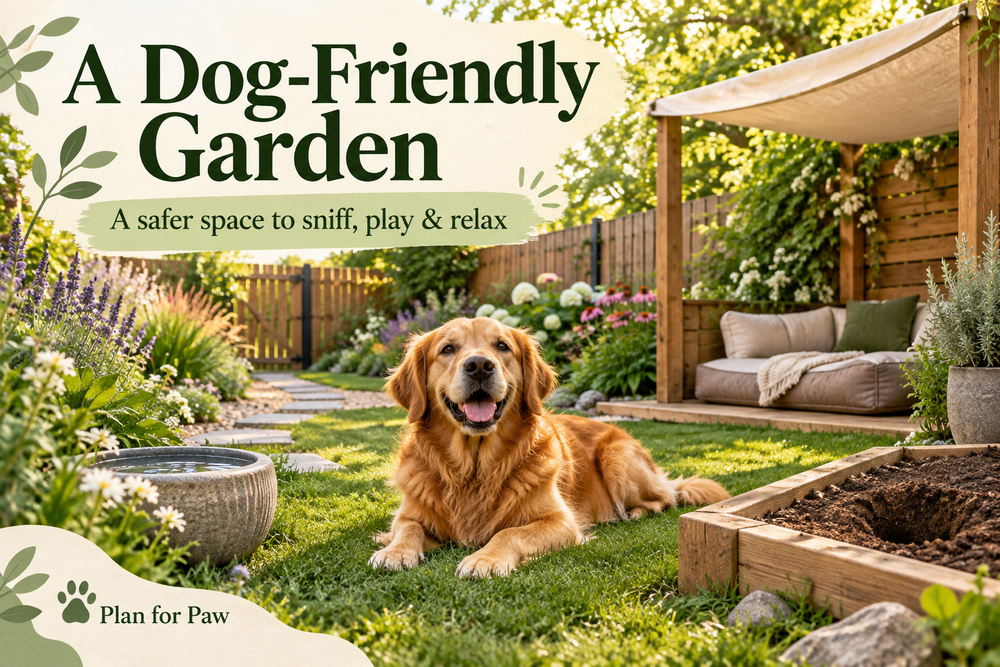 How to Set Up a Dog-Friendly GardenA garden can be a safe, interesting space for your dog — or a source of escapes, toxic plants and dug-up borders. Here is how to set one up for safety, comfort and enrichment.
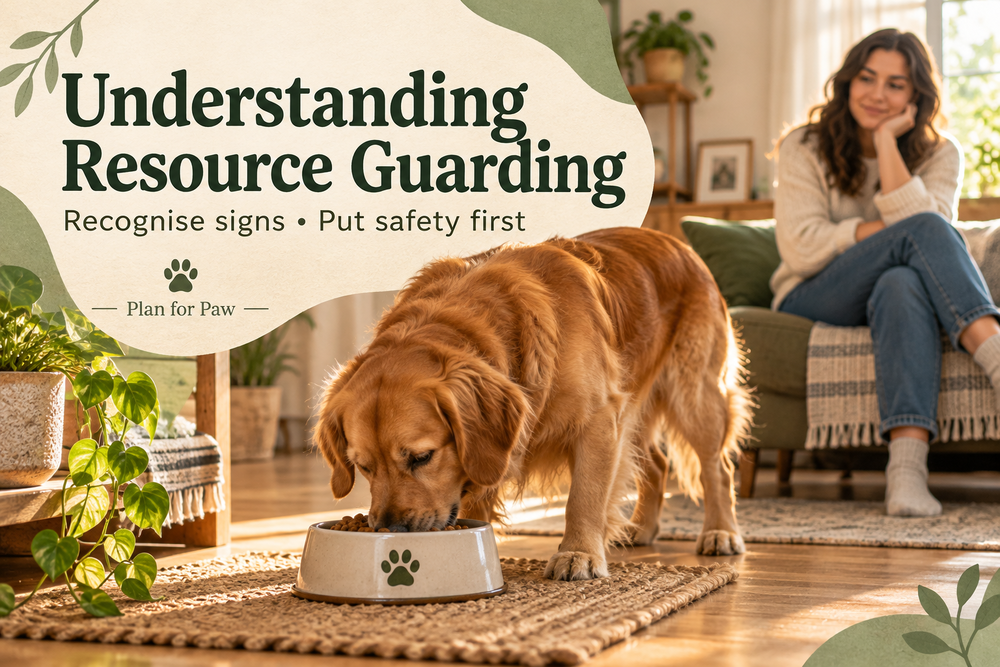 Resource Guarding in Dogs: Signs, Safety and What HelpsA dog that stiffens over the food bowl or growls when you approach a chew is guarding something it values. Here is how to recognise it early, keep everyone safe and what helps.
 How Lost Pets Actually Get Home — and How to Make Yours Easier to ReturnMost lost pets are found close to home by an ordinary person with a phone. What happens in the next few minutes decides how fast they get back. Here is how reunions really happen, and how to prepare.