
Cardigan Welsh Corgi
Also known as: Cardigan, Cardi
The older Corgi — long tail, steady head and a working dog's common sense.
- Loyal
- Intelligent
- Reserved
- Steady
- Alert
The Cardigan Welsh Corgi is the older of the two Corgi breeds, brought to Wales by Celtic people around three thousand years ago. Cardigans have a long fox-like tail, larger rounded ears and a calmer, more reserved temperament than the Pembroke. They are loyal, intelligent herding dogs that need daily exercise, sensible weight control and protection for their long backs.
At a glance
- Origin
- Wales, UK
- Breed group
- Herding
- Size
- Medium
- Weight
- 24–37 lb (11–17 kg)
- Height
- 10.6–12.6 in (27–32 cm)
- Lifespan
- 12–15 years
- Coat
- Medium-length weatherproof double coat
- Colours
- Blue Merle, Brindle, Red, Sable, Black & White
- Average cost
- $80–$140 / month
Breed ratings
Rated 1–5 on the same scale as every other entry, so scores are comparable between breeds. Amber stars mark things that cost you effort rather than things that benefit you.
Temperament
Cardigans are devoted to their family and reserved with strangers. They are calmer than Pembrokes but still alert and willing to bark.
Care & upkeep
Exercise
Around an hour daily, including mental work. Use ramps instead of letting the dog jump from furniture.
Grooming
Brush 2–3 times weekly and daily during the twice-yearly blowout. Never shave the double coat.
Training
Intelligent and responsive to calm, reward-based training. Socialise early and redirect herding nips onto toys.
Feeding & diet
- Typical diet
- Measured medium-breed diet
- Daily amount
- 250–380 g of dry food
- Meals per day
- 2 meals a day
Food-loving and prone to weight gain, which loads a vulnerable spine. Measure portions and include treats in the daily allowance.
Foods to avoid
- Chocolate
- Grapes and raisins
- Onion and garlic
- Xylitol
- Fatty table scraps
Who this breed suits
A good match for
- Active families
- Owners wanting a loyal watchdog
- Homes with a garden
- Dog sports enthusiasts
Probably not for
- People sensitive to shedding
- Homes with many stairs and no ramps
- Owners wanting a quiet dog
Common health problems
This section describes conditions the breed is known to be predisposed to, so you know what to ask about. It is not veterinary advice and is not a diagnosis — always speak to a vet about your own animal.
- Intervertebral disc diseaseThe long back carries spinal risk. Keep weight down and avoid jumping from height.
- Degenerative myelopathyA progressive spinal cord disease with a DNA test available.
- Hip dysplasiaScreened by responsible breeders.
- Progressive retinal atrophyA hereditary cause of blindness; ask for eye certification.
Weight control is the single most valuable thing for a Cardigan's long-term health.
Interesting facts
- One of the oldest herding breeds in Britain.
- Named after Cardiganshire in Wales.
- Unlike the Pembroke, the Cardigan always has a long tail.
Diet & Feeding
Feed around 250–380 g of quality food daily across two meals. Cardigans love food and put on weight easily, and extra weight on a long back raises the risk of disc disease. Weigh portions, count treats and check body condition by hand monthly.
Exercise Needs
About an hour a day of walking, play and mental work. Cardigans are herding dogs with stamina and enjoy herding trials, agility, scent work and long walks. Limit jumping on and off furniture and running down stairs to protect the spine; ramps are a sensible investment.
Grooming
The double coat sheds steadily and heavily twice a year. Brush 2–3 times a week, daily during the blowout, with an undercoat rake. Bathe every 6–8 weeks. Never shave the coat. Trim nails every three weeks and check ears weekly.
Health & Vet Care
Watch for intervertebral disc disease, degenerative myelopathy (DNA-testable), hip dysplasia and progressive retinal atrophy. Ask breeders for hip scores, eye certification and DNA results. Keep the dog lean for life — it is the most effective thing an owner can do for the back and joints.
Training Tips
Cardigans are intelligent and willing but more reserved and thoughtful than Pembrokes. They respond well to calm, reward-based training. Socialise early so natural wariness of strangers does not turn into nervousness. Redirect herding nips at children's heels onto toys from the start.
Read next
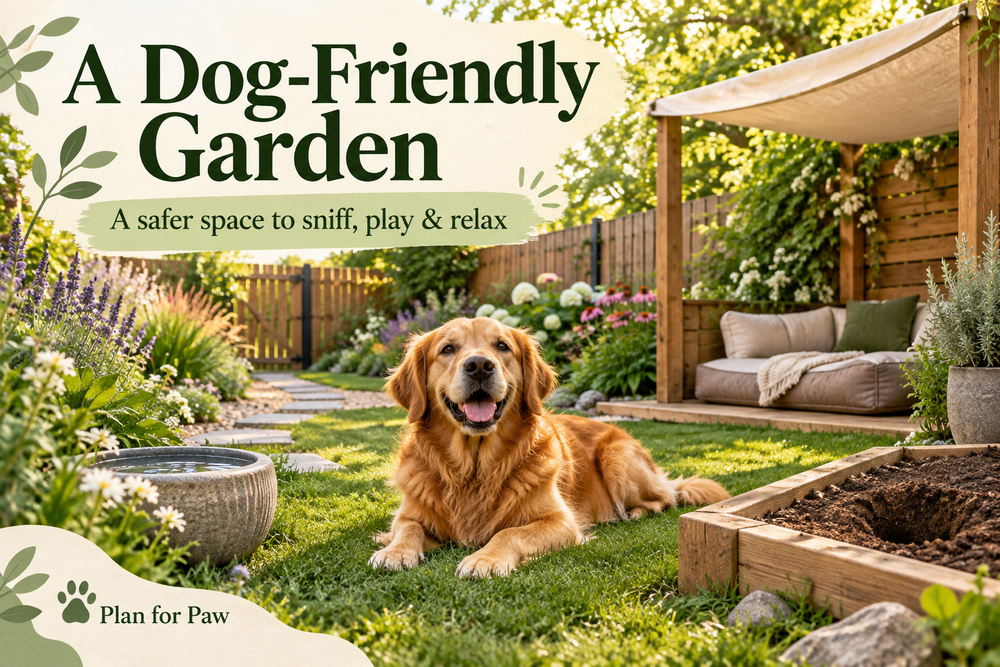 How to Set Up a Dog-Friendly GardenA garden can be a safe, interesting space for your dog — or a source of escapes, toxic plants and dug-up borders. Here is how to set one up for safety, comfort and enrichment.
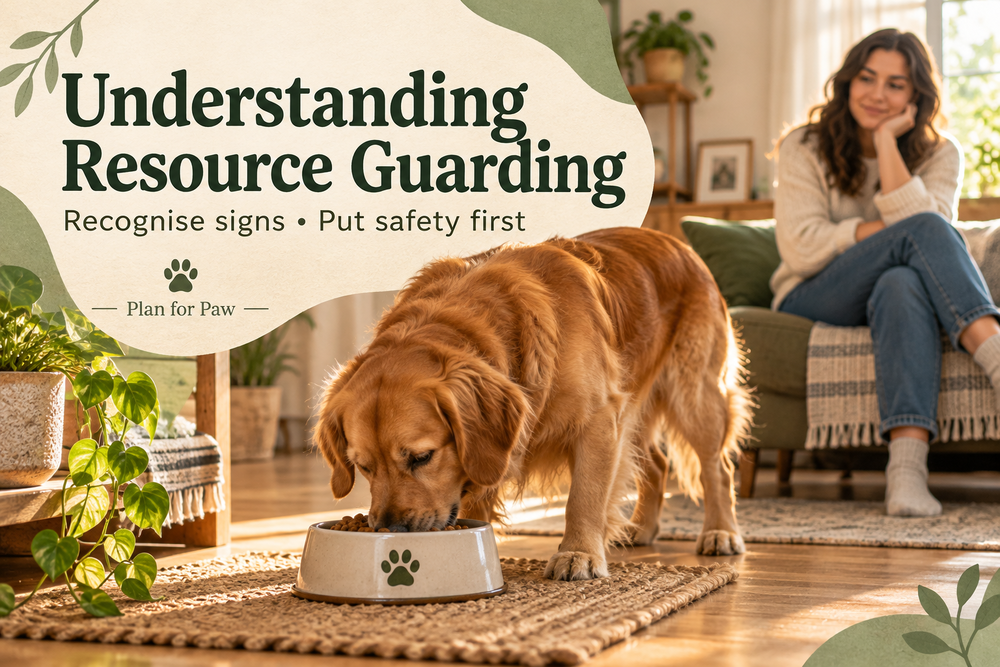 Resource Guarding in Dogs: Signs, Safety and What HelpsA dog that stiffens over the food bowl or growls when you approach a chew is guarding something it values. Here is how to recognise it early, keep everyone safe and what helps.
 How Lost Pets Actually Get Home — and How to Make Yours Easier to ReturnMost lost pets are found close to home by an ordinary person with a phone. What happens in the next few minutes decides how fast they get back. Here is how reunions really happen, and how to prepare.