Cane Corso
Also known as: Corso, Italian Mastiff
An Italian guardian of serious power — loyal, intelligent and not for beginners.
- Protective
- Loyal
- Intelligent
- Calm
- Assertive
The Cane Corso is an Italian mastiff-type breed used for centuries to guard farms and property and to work cattle. Corsos are athletic, intelligent and deeply protective of their family. They are calm and affectionate at home with the right owner, but their size, strength and guarding instinct demand experienced handling, extensive socialisation and consistent training.
At a glance
- Origin
- Italy
- Breed group
- Working / Guardian
- Size
- Giant
- Weight
- 88–110 lb (40–50 kg)
- Height
- 22.8–27.6 in (58–70 cm)
- Lifespan
- 9–12 years
- Coat
- Short, stiff, dense
- Colours
- Black, Grey, Fawn, Red, Brindle
- Average cost
- $140–$240 / month
Breed ratings
Rated 1–5 on the same scale as every other entry, so scores are comparable between breeds. Amber stars mark things that cost you effort rather than things that benefit you.
Temperament
Corsos are affectionate with family and suspicious of strangers. Without socialisation they can become over-protective.
Care & upkeep
Exercise
One to two hours of structured activity daily, including mental work.
Grooming
A weekly rubber-mitt brush and regular nail trims.
Training
Intelligent and willing but strong-willed. Experienced, consistent handling and extensive socialisation are essential.
Feeding & diet
- Typical diet
- Large-breed formula
- Daily amount
- 900–1,300 g of dry food
- Meals per day
- 2 meals a day
Large-breed puppy food for controlled growth and two meals daily for adults.
Foods to avoid
- Chocolate
- Grapes and raisins
- Onion and garlic
- Xylitol
- Large meals around exercise
Who this breed suits
A good match for
- Experienced owners
- Rural homes with secure fencing
- People wanting a working guardian
Probably not for
- First-time owners
- Apartments
- Homes with frequent unfamiliar visitors
- Multi-dog households
Common health problems
This section describes conditions the breed is known to be predisposed to, so you know what to ask about. It is not veterinary advice and is not a diagnosis — always speak to a vet about your own animal.
- Hip and elbow dysplasiaCommon — buy from breeders who score their dogs.
- Bloat (GDV)Deep-chested breed — rest around meals.
- Eyelid abnormalitiesEntropion, ectropion and cherry eye occur.
- Heat intoleranceExercise in cool parts of the day.
- Demodectic mangeSkin mites that can flare in young dogs.
Check local legislation and insurance — the breed is restricted in some areas.
Interesting facts
- The name roughly means guardian dog in Latin-derived Italian.
- Nearly disappeared in the 20th century before enthusiasts revived it in the 1970s.
- Descended from Roman war and guard dogs.
Diet & Feeding
Feed around 900–1,300 g of quality large-breed food daily across two meals. Puppies need a large or giant-breed formula for controlled growth. Rest around exercise to reduce bloat risk, and keep adults lean and muscular.
Exercise Needs
Plan on one to two hours daily of structured activity — long walks, hikes, obedience, tracking or bite sports with qualified trainers. Corsos need a job and mental work. Avoid hard exercise during growth.
Grooming
Easy: a weekly brush with a rubber mitt. Trim nails every three weeks. Ear cropping and tail docking are illegal in many countries; natural ears need weekly checks.
Health & Vet Care
Watch for hip and elbow dysplasia, bloat (GDV), eyelid abnormalities (entropion, ectropion, cherry eye), heat intolerance and demodectic mange. Ask breeders for hip and elbow scores.
Training Tips
Corsos are intelligent and willing but strong-willed and protective. Socialisation from puppyhood is essential — people, dogs, places and handling. Use calm, consistent, reward-based training and check local laws, as the breed is restricted in some areas.
Read next
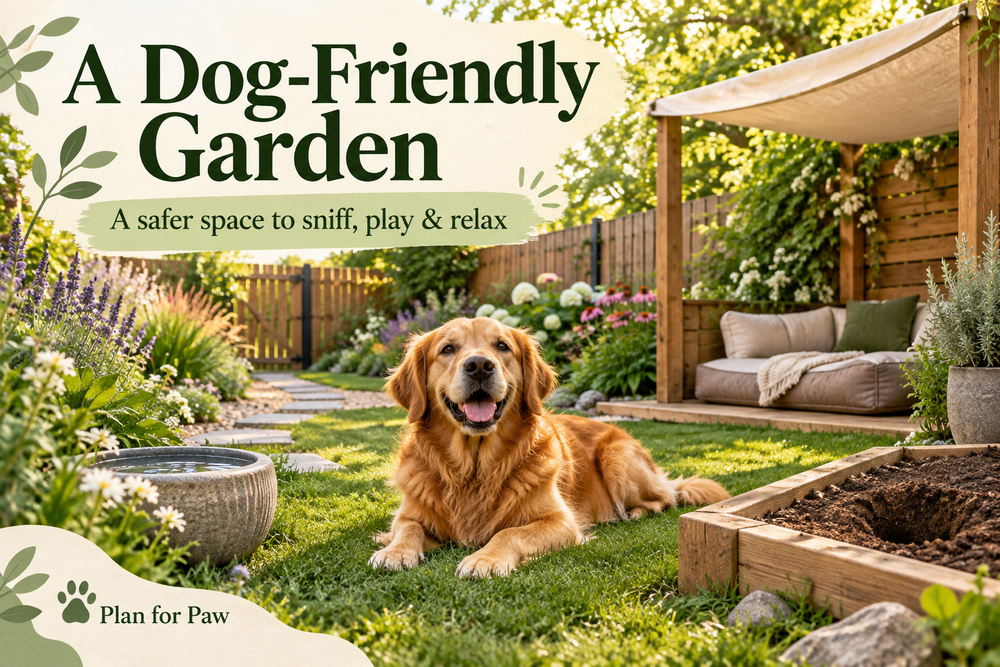 How to Set Up a Dog-Friendly GardenA garden can be a safe, interesting space for your dog — or a source of escapes, toxic plants and dug-up borders. Here is how to set one up for safety, comfort and enrichment.
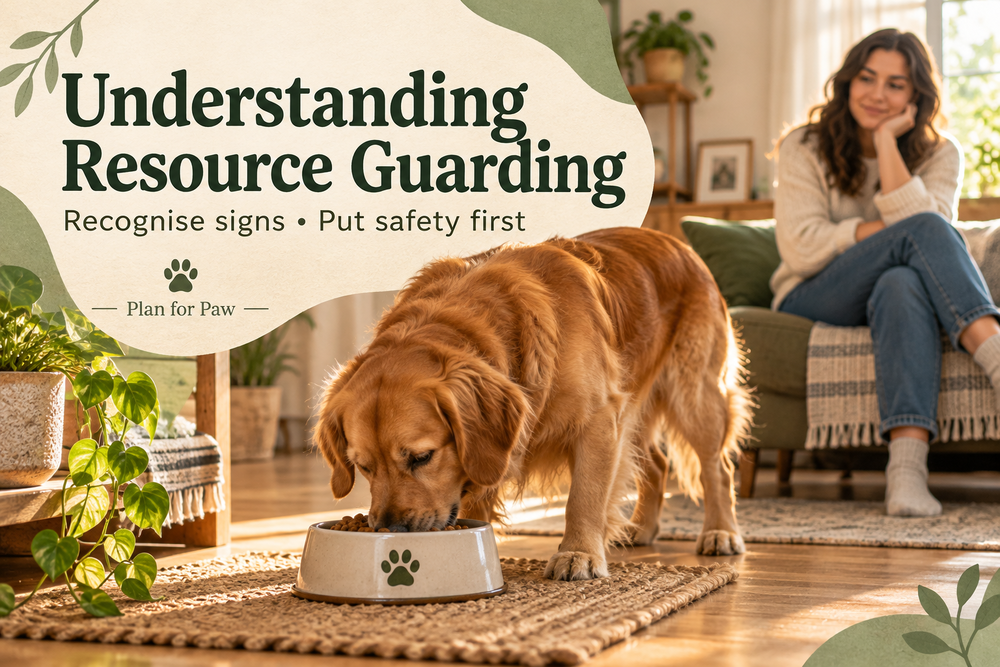 Resource Guarding in Dogs: Signs, Safety and What HelpsA dog that stiffens over the food bowl or growls when you approach a chew is guarding something it values. Here is how to recognise it early, keep everyone safe and what helps.
 How Lost Pets Actually Get Home — and How to Make Yours Easier to ReturnMost lost pets are found close to home by an ordinary person with a phone. What happens in the next few minutes decides how fast they get back. Here is how reunions really happen, and how to prepare.