
Cairn Terrier
Also known as: Cairn
A shaggy, fearless little digger — cheerful, curious and endlessly busy.
- Cheerful
- Curious
- Hardy
- Independent
- Alert
The Cairn Terrier comes from the Scottish Highlands, where it hunted vermin among the cairns — piles of stones marking fields and graves. Cairns are hardy, cheerful and inquisitive, with a weatherproof shaggy coat and a strong terrier instinct to dig and chase. They are adaptable family dogs for owners who enjoy a busy, characterful companion.
At a glance
- Origin
- Scotland, UK
- Breed group
- Terrier
- Size
- Small
- Weight
- 13–18 lb (6–8 kg)
- Height
- 9.1–12.2 in (23–31 cm)
- Lifespan
- 13–15 years
- Coat
- Harsh, weatherproof outer coat with soft undercoat
- Colours
- Cream, Wheaten, Red, Grey, Brindle, Nearly black
- Average cost
- $70–$130 / month
Breed ratings
Rated 1–5 on the same scale as every other entry, so scores are comparable between breeds. Amber stars mark things that cost you effort rather than things that benefit you.
Temperament
Cairns are friendly and adaptable, with a busy terrier temperament. They bark readily and chase small animals.
Care & upkeep
Exercise
Around an hour daily. Give digging and scent outlets, and keep off-lead time to secure areas.
Grooming
Brush weekly and hand-strip twice a year. The shaggy look is natural — avoid over-trimming.
Training
Bright but independent. Short, varied sessions with good rewards work best.
Feeding & diet
- Typical diet
- Quality small-breed diet
- Daily amount
- 130–210 g of dry food
- Meals per day
- 2 meals a day
Food-motivated and prone to weight gain. Measure portions and include treats.
Foods to avoid
- Chocolate
- Grapes and raisins
- Onion and garlic
- Xylitol
- Fatty table scraps
Who this breed suits
A good match for
- Families with children
- Apartments with daily walks
- First-time terrier owners
Probably not for
- Homes with small pets
- Owners wanting a quiet dog
- Gardens without secure fencing
Common health problems
This section describes conditions the breed is known to be predisposed to, so you know what to ask about. It is not veterinary advice and is not a diagnosis — always speak to a vet about your own animal.
- Globoid cell leukodystrophyA DNA-testable neurological disease — ask breeders for results.
- Portosystemic shuntA liver blood-vessel abnormality seen in the breed.
- Ocular melanosisPigment build-up in the eye that can lead to glaucoma. Annual eye checks are worthwhile.
- Patellar luxationSlipping kneecaps, common in small breeds.
- AllergiesItchy skin occurs and warrants a vet plan.
Ask breeders about globoid cell leukodystrophy testing and eye screening for ocular melanosis.
Interesting facts
- Toto in The Wizard of Oz was played by a Cairn Terrier named Terry.
- One of the oldest Scottish terrier breeds.
- Named after the stone piles they hunted among.
Diet & Feeding
Feed around 130–210 g of quality small-breed food daily across two meals. Cairns are food-motivated and gain weight if under-exercised. Keep them lean and count treats.
Exercise Needs
About an hour a day of walking and play. Cairns are curious and energetic and love to dig and explore. Prey drive is strong — secure areas are needed off lead. Provide a digging spot or scent games to channel the instinct.
Grooming
The shaggy coat is meant to look natural. Brush weekly and hand-strip twice a year to remove dead hair; clipping softens the coat. Bathe rarely. Trim nails every three weeks and check ears weekly.
Health & Vet Care
Generally healthy and long-lived. Watch for globoid cell leukodystrophy (a DNA-testable neurological disease), portosystemic shunt, ocular melanosis which can lead to glaucoma, patellar luxation and allergies. Ask breeders for DNA results and eye screening.
Training Tips
Cairns are bright and independent. Reward-based, varied training works well. Work on recall in safe areas, teach a quiet cue early and socialise with other dogs and cats from puppyhood.
Read next
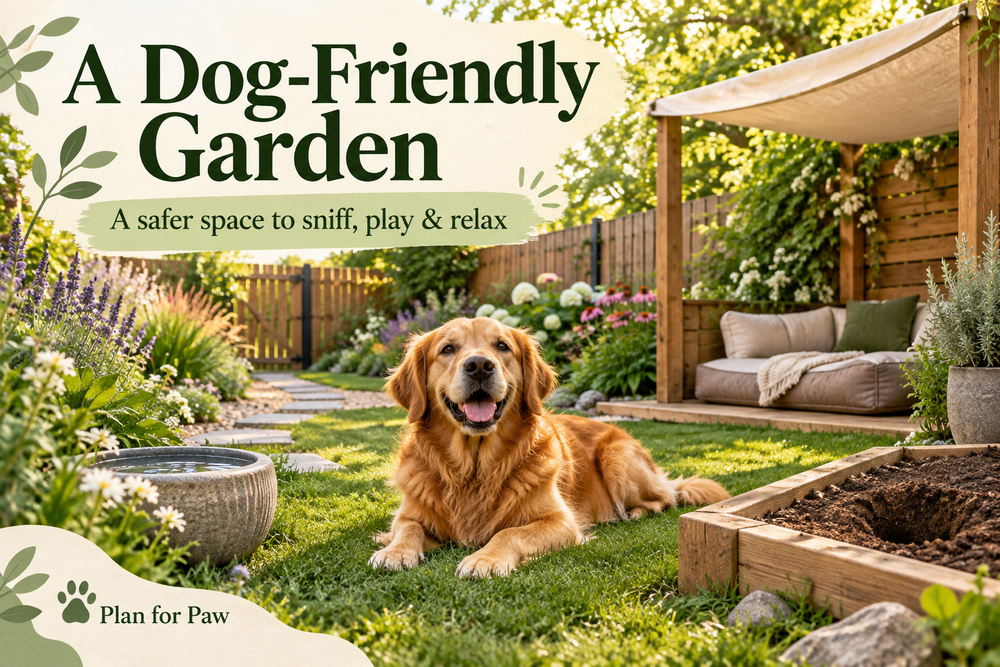 How to Set Up a Dog-Friendly GardenA garden can be a safe, interesting space for your dog — or a source of escapes, toxic plants and dug-up borders. Here is how to set one up for safety, comfort and enrichment.
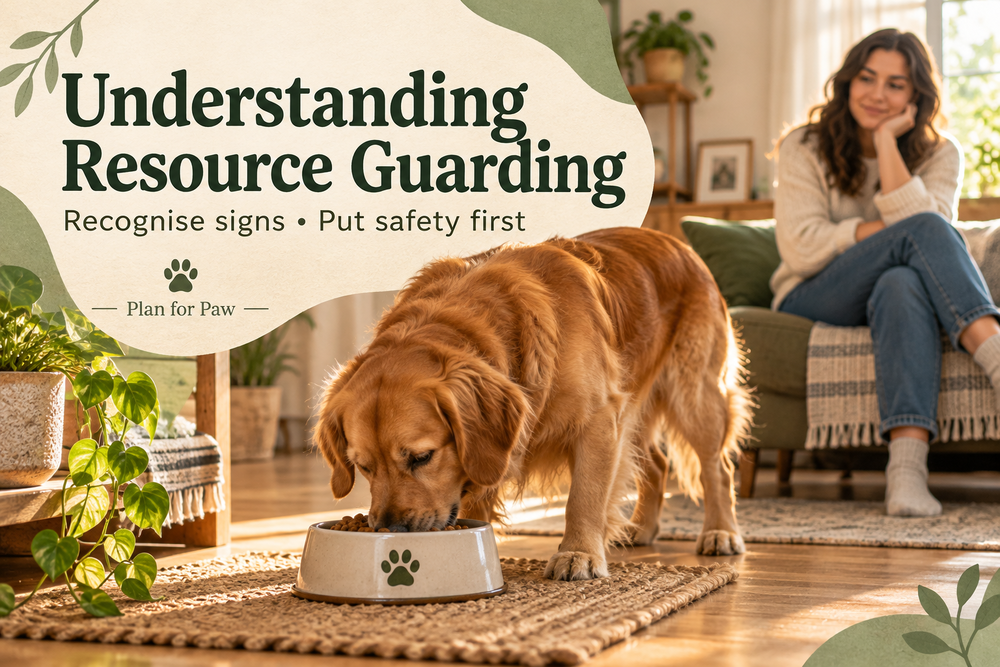 Resource Guarding in Dogs: Signs, Safety and What HelpsA dog that stiffens over the food bowl or growls when you approach a chew is guarding something it values. Here is how to recognise it early, keep everyone safe and what helps.
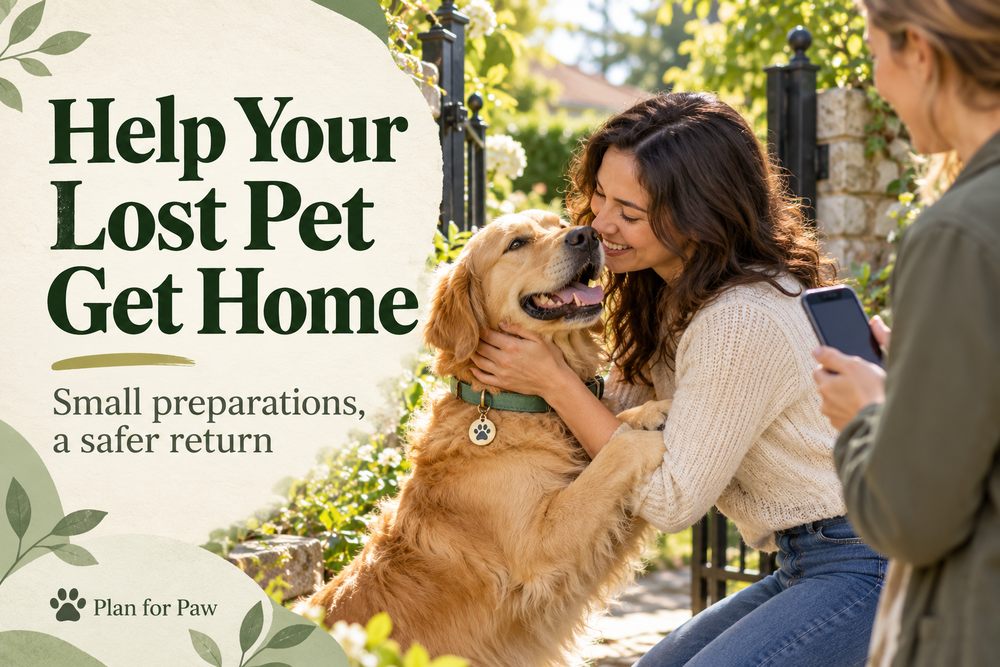 How Lost Pets Actually Get Home — and How to Make Yours Easier to ReturnMost lost pets are found close to home by an ordinary person with a phone. What happens in the next few minutes decides how fast they get back. Here is how reunions really happen, and how to prepare.