Bullmastiff
Also known as: Gamekeeper's Night Dog
A silent estate guardian — massive, calm and devoted to its family.
- Calm
- Protective
- Loyal
- Steady
- Quiet
The Bullmastiff was developed in 19th-century England by crossing Mastiffs and Bulldogs to stop poachers on country estates. Bullmastiffs are powerful, quiet and steady, affectionate with family and naturally watchful with strangers. They need less exercise than their size suggests, but early training, socialisation and a realistic budget for a giant breed are essential.
At a glance
- Origin
- England, UK
- Breed group
- Working / Guardian
- Size
- Giant
- Weight
- 99–132 lb (45–60 kg)
- Height
- 24–27.2 in (61–69 cm)
- Lifespan
- 8–10 years
- Coat
- Short, dense, weather-resistant
- Colours
- Fawn, Red, Brindle, with black mask
- Average cost
- $150–$260 / month
Breed ratings
Rated 1–5 on the same scale as every other entry, so scores are comparable between breeds. Amber stars mark things that cost you effort rather than things that benefit you.
Temperament
Bullmastiffs are gentle with family and naturally wary of strangers. They can be dominant with other dogs of the same sex.
Care & upkeep
Exercise
45–60 minutes of steady walking. Avoid heat and hard exercise during growth.
Grooming
A weekly rubber-mitt brush and regular wiping of facial folds and drool.
Training
Independent. Early lead manners, socialisation and calm consistency are essential.
Feeding & diet
- Typical diet
- Giant-breed formula
- Daily amount
- 900–1,300 g of dry food
- Meals per day
- 2–3 meals a day
Giant-breed puppy food until about 18 months and multiple meals for adults to reduce bloat risk.
Foods to avoid
- Chocolate
- Grapes and raisins
- Onion and garlic
- Xylitol
- Large single meals
Who this breed suits
A good match for
- Experienced owners
- Calm households
- Homes with space
- Families with older children
Probably not for
- First-time owners
- Small homes
- Hot climates
Common health problems
This section describes conditions the breed is known to be predisposed to, so you know what to ask about. It is not veterinary advice and is not a diagnosis — always speak to a vet about your own animal.
- Bloat (GDV)A surgical emergency in deep-chested giants — feed several meals and rest around exercise.
- Hip and elbow dysplasiaScreened by responsible breeders; controlled growth helps.
- Cruciate ligament ruptureCommon in heavy breeds.
- EntropionInward-rolling eyelids that may need surgery.
- LymphomaA cancer seen at higher rates in the breed.
Budget honestly — everything costs more for a giant breed, and lifespan is short.
Interesting facts
- Bred to pin poachers without mauling them.
- Roughly 60% Mastiff and 40% Bulldog in origin.
- Famously quiet — they rarely bark without reason.
Diet & Feeding
Feed around 900–1,300 g of quality large or giant-breed food daily across two or three meals. Puppies need a giant-breed formula with controlled growth until around 18 months. Rest an hour before and after exercise to reduce bloat risk, and keep adults lean to protect their joints.
Exercise Needs
About 45–60 minutes daily of steady walking is enough for an adult. Bullmastiffs are not endurance dogs. Avoid hard exercise in heat — the short muzzle makes them prone to overheating — and avoid jumping and long runs during growth.
Grooming
Easy: a weekly rubber-mitt brush. Wipe facial wrinkles and drool regularly. Trim the thick nails every three weeks and provide soft bedding to prevent elbow calluses.
Health & Vet Care
Watch for bloat (GDV), hip and elbow dysplasia, cruciate ligament rupture, entropion, lymphoma and heat intolerance. Lifespan is short, typically 8–10 years. Medication and surgery costs scale with size.
Training Tips
Bullmastiffs are intelligent but independent. Start lead manners and socialisation early, before the dog outgrows you. Use calm, consistent, reward-based training — confrontation with a powerful guardian breed backfires.
Read next
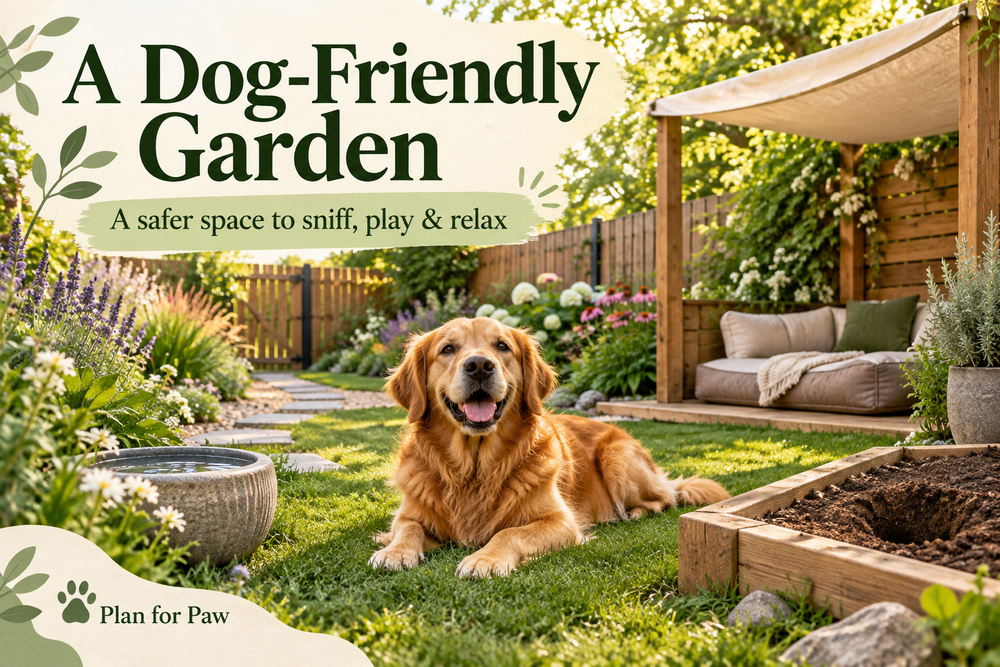 How to Set Up a Dog-Friendly GardenA garden can be a safe, interesting space for your dog — or a source of escapes, toxic plants and dug-up borders. Here is how to set one up for safety, comfort and enrichment.
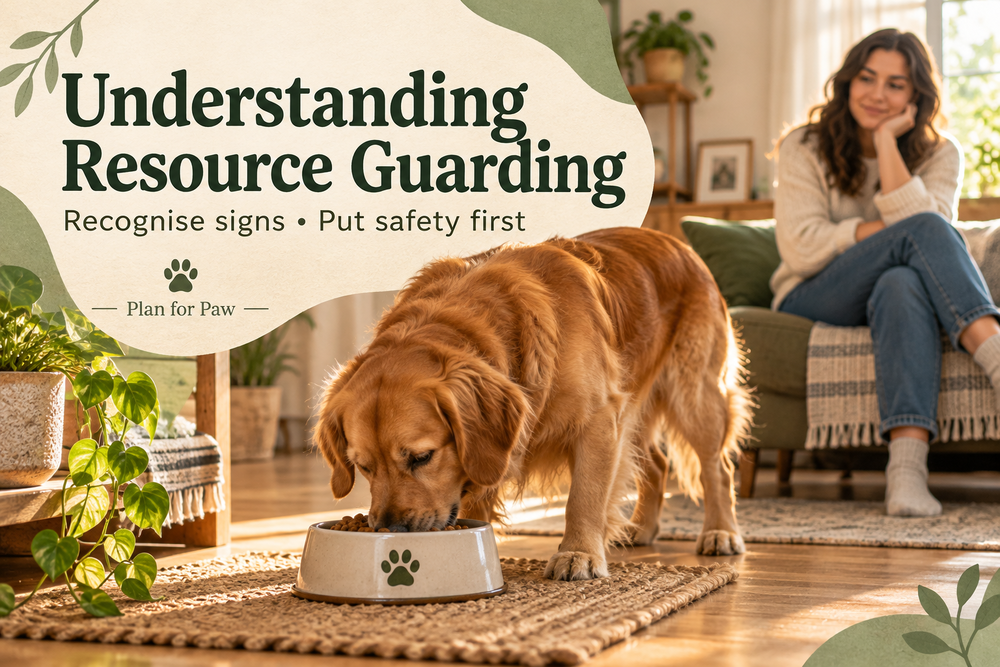 Resource Guarding in Dogs: Signs, Safety and What HelpsA dog that stiffens over the food bowl or growls when you approach a chew is guarding something it values. Here is how to recognise it early, keep everyone safe and what helps.
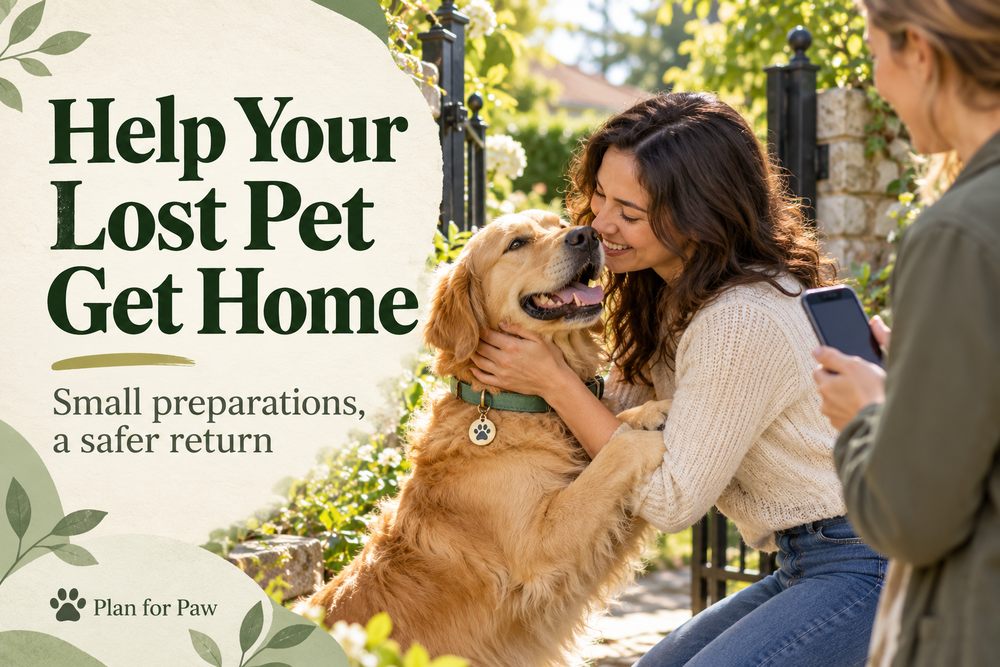 How Lost Pets Actually Get Home — and How to Make Yours Easier to ReturnMost lost pets are found close to home by an ordinary person with a phone. What happens in the next few minutes decides how fast they get back. Here is how reunions really happen, and how to prepare.