Bull Terrier
Also known as: English Bull Terrier, Bully
The egg-headed clown — muscular, comical and stubbornly devoted.
- Playful
- Stubborn
- Affectionate
- Comical
- Energetic
The Bull Terrier was developed in 19th-century England and is instantly recognisable by its long, egg-shaped head and small triangular eyes. They are playful, physical and full of character, often described as a three-year-old child in a dog suit. Bull Terriers need firm, consistent training, plenty of exercise and an owner who enjoys a strong-willed companion.
At a glance
- Origin
- England, UK
- Breed group
- Terrier
- Size
- Medium
- Weight
- 44–71 lb (20–32 kg)
- Height
- 20.1–24 in (51–61 cm)
- Lifespan
- 11–13 years
- Coat
- Short, flat, harsh
- Colours
- White, Brindle, Red, Fawn, Tricolour, Black Brindle
- Average cost
- $90–$160 / month
Breed ratings
Rated 1–5 on the same scale as every other entry, so scores are comparable between breeds. Amber stars mark things that cost you effort rather than things that benefit you.
Temperament
Bull Terriers are affectionate and clownish with their family but can be strong-willed and dog-selective. They thrive on companionship and activity.
Care & upkeep
Exercise
An hour or more daily plus mental work. Under-stimulation can lead to compulsive behaviours.
Grooming
A weekly rubber-mitt brush. Use pet-safe sunscreen on pink skin of white dogs.
Training
Stubborn but food-motivated. Keep training short and fun, socialise early and provide plenty of mental stimulation.
Feeding & diet
- Typical diet
- Quality high-protein diet
- Daily amount
- 400–600 g of dry food
- Meals per day
- 2 meals a day
Muscular and food-loving. Keep water available and discuss diet with your vet if kidney values change.
Foods to avoid
- Chocolate
- Grapes and raisins
- Onion and garlic
- Xylitol
- Cooked bones
Who this breed suits
A good match for
- Experienced owners
- Active households
- Homes with a secure garden
- People who enjoy a comical dog
Probably not for
- First-time owners
- Homes with small pets
- Owners out all day
Common health problems
This section describes conditions the breed is known to be predisposed to, so you know what to ask about. It is not veterinary advice and is not a diagnosis — always speak to a vet about your own animal.
- DeafnessCommon in white dogs. Ask for BAER hearing tests of puppies.
- Hereditary nephritisAn inherited kidney disease. Ask breeders about kidney screening.
- Heart valve diseaseMitral and aortic valve problems occur — cardiac screening is advisable.
- Compulsive disordersTail chasing and spinning, especially in under-stimulated dogs.
- Skin allergiesCommon; itching warrants veterinary investigation.
Ask breeders specifically about hearing, kidney and cardiac screening.
Interesting facts
- The only recognised breed with a downfaced, egg-shaped head.
- A Bull Terrier was the mascot of the Target store chain.
- The Miniature Bull Terrier is a separate breed with the same look.
Diet & Feeding
Feed around 400–600 g of quality food daily across two meals, adjusted to activity. Bull Terriers are muscular and food-motivated and can become overweight if under-exercised. Kidney disease occurs in the breed, so keep water available and discuss diet with your vet if bloodwork shows changes.
Exercise Needs
Plan on an hour or more daily of real activity. Bull Terriers love tug, fetch and running, and need mental work too. Under-stimulated dogs can develop compulsive behaviours such as tail chasing and spinning. Supervise interactions with other dogs, as some are dog-selective.
Grooming
Easy: a weekly rubber-mitt brush. Bathe occasionally. White Bull Terriers can sunburn on pink skin, so use pet-safe sunscreen in strong sun. Trim nails every three weeks and check ears weekly.
Health & Vet Care
Key concerns are deafness (particularly in white dogs — BAER test puppies), hereditary nephritis and polycystic kidney disease, heart disease (mitral and aortic valve problems), skin allergies and compulsive disorders. Ask breeders for hearing, kidney and heart screening.
Training Tips
Bull Terriers are intelligent but stubborn. Short, fun, reward-based sessions work; repetition and harshness do not. Start socialisation early with people and dogs. Provide plenty of mental work to prevent compulsive behaviours developing.
Read next
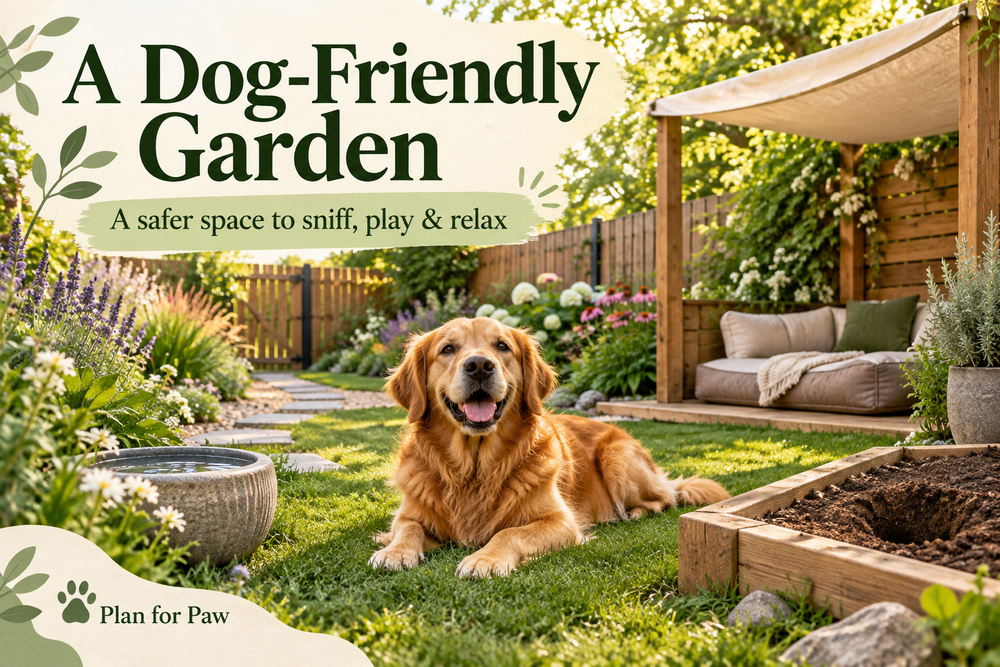 How to Set Up a Dog-Friendly GardenA garden can be a safe, interesting space for your dog — or a source of escapes, toxic plants and dug-up borders. Here is how to set one up for safety, comfort and enrichment.
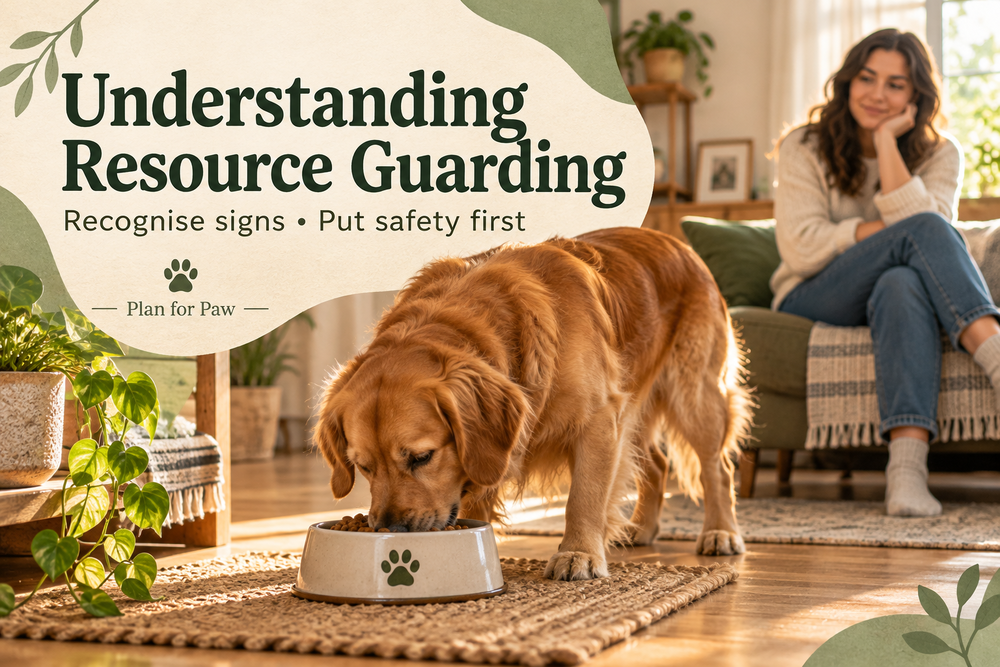 Resource Guarding in Dogs: Signs, Safety and What HelpsA dog that stiffens over the food bowl or growls when you approach a chew is guarding something it values. Here is how to recognise it early, keep everyone safe and what helps.
 How Lost Pets Actually Get Home — and How to Make Yours Easier to ReturnMost lost pets are found close to home by an ordinary person with a phone. What happens in the next few minutes decides how fast they get back. Here is how reunions really happen, and how to prepare.