
Boston Terrier
Also known as: Boston Bull, American Gentleman
The American gentleman — compact, tuxedo-marked and full of good humour.
- Friendly
- Lively
- Affectionate
- Clever
- Playful
The Boston Terrier was developed in Boston in the late 1800s from bulldog and terrier crosses and soon became one of America's favourite companion dogs. Bostons are friendly, lively and adaptable, with a sleek tuxedo coat that needs almost no grooming. As a short-faced breed they need careful management of heat, weight and eye health, but they are among the easiest small dogs to live with.
At a glance
- Origin
- United States
- Breed group
- Non-Sporting / Companion
- Size
- Small
- Weight
- 11–24 lb (5–11 kg)
- Height
- 15–16.9 in (38–43 cm)
- Lifespan
- 11–13 years
- Coat
- Short, smooth, fine
- Colours
- Black & White, Brindle & White, Seal & White
- Average cost
- $70–$130 / month
Breed ratings
Rated 1–5 on the same scale as every other entry, so scores are comparable between breeds. Amber stars mark things that cost you effort rather than things that benefit you.
Temperament
Bostons are friendly with people and generally good with other pets. They are lively rather than hyperactive and settle well in a calm home.
Care & upkeep
Exercise
45–60 minutes daily. Lively and playful, but heat-sensitive — avoid warm parts of the day.
Grooming
A weekly rubber-mitt brush is enough. Check the eyes daily and wipe any facial folds.
Training
Clever and food-motivated, occasionally stubborn. Teach calm greetings early because they can be excitable with visitors.
Feeding & diet
- Typical diet
- Measured small-breed diet
- Daily amount
- 120–220 g of dry food
- Meals per day
- 2 meals a day
Keep Bostons lean — extra weight makes breathing harder. A slow feeder helps gulpers and reduces wind.
Foods to avoid
- Chocolate
- Grapes and raisins
- Onion and garlic
- Xylitol
- Rich or fatty scraps
Who this breed suits
A good match for
- Apartments
- First-time owners
- Families with children
- Older owners
Probably not for
- Hot climates without air conditioning
- Owners wanting a jogging partner
Common health problems
This section describes conditions the breed is known to be predisposed to, so you know what to ask about. It is not veterinary advice and is not a diagnosis — always speak to a vet about your own animal.
- Eye problemsProminent eyes are prone to ulcers, cataracts and glaucoma. Squinting or redness needs a same-day vet visit.
- Brachycephalic airway syndromeThe short muzzle can restrict breathing. Noisy breathing at rest warrants assessment.
- Patellar luxationSlipping kneecaps occur in the breed.
- DeafnessSeen particularly in dogs with extensive white markings.
- HemivertebraeSpinal malformations associated with the screw tail.
Eye injuries are the most common emergency in the breed. Keep a close eye on any squinting or watering.
Interesting facts
- One of the first breeds developed in the United States.
- Nicknamed the American Gentleman for its tuxedo markings.
- The official dog of the state of Massachusetts.
Diet & Feeding
Feed around 120–220 g of quality small-breed food daily across two meals. Bostons can be gulpers and prone to wind; a slow feeder helps. Keep them lean — extra weight makes breathing harder in a short-faced dog. Use a shallow bowl and count treats in the daily allowance.
Exercise Needs
About 45–60 minutes daily of walks and play. Bostons are lively and enjoy fetch, agility and short runs, but they overheat easily because of the shortened muzzle — walk early and late in warm weather and stop at the first sign of heavy panting. Use a harness rather than a collar.
Grooming
Very low maintenance: a weekly rubber-mitt brush keeps the coat tidy, and shedding is light. Clean the facial folds if present and check the eyes daily — their prominent eyes are prone to scratches and ulcers. Trim nails every three weeks and brush teeth several times a week.
Health & Vet Care
The main concerns are eye problems (corneal ulcers, cataracts and glaucoma), brachycephalic airway syndrome, patellar luxation, deafness and spinal abnormalities linked to the screw tail. Any squinting, redness or pawing at an eye needs a vet the same day. Choose breeders producing dogs with open nostrils and a less extreme face.
Training Tips
Bostons are clever, food-motivated and generally eager to please, though some have a stubborn streak. Short, upbeat sessions work best. They can be excitable with visitors, so teach a calm greeting early. House-training is usually straightforward with a consistent routine.
Read next
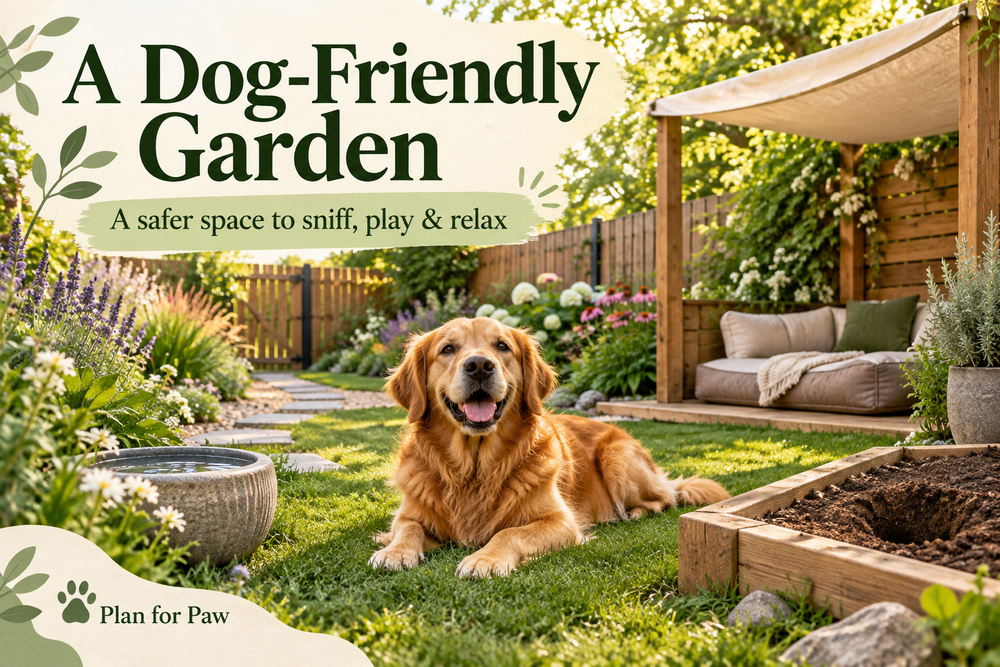 How to Set Up a Dog-Friendly GardenA garden can be a safe, interesting space for your dog — or a source of escapes, toxic plants and dug-up borders. Here is how to set one up for safety, comfort and enrichment.
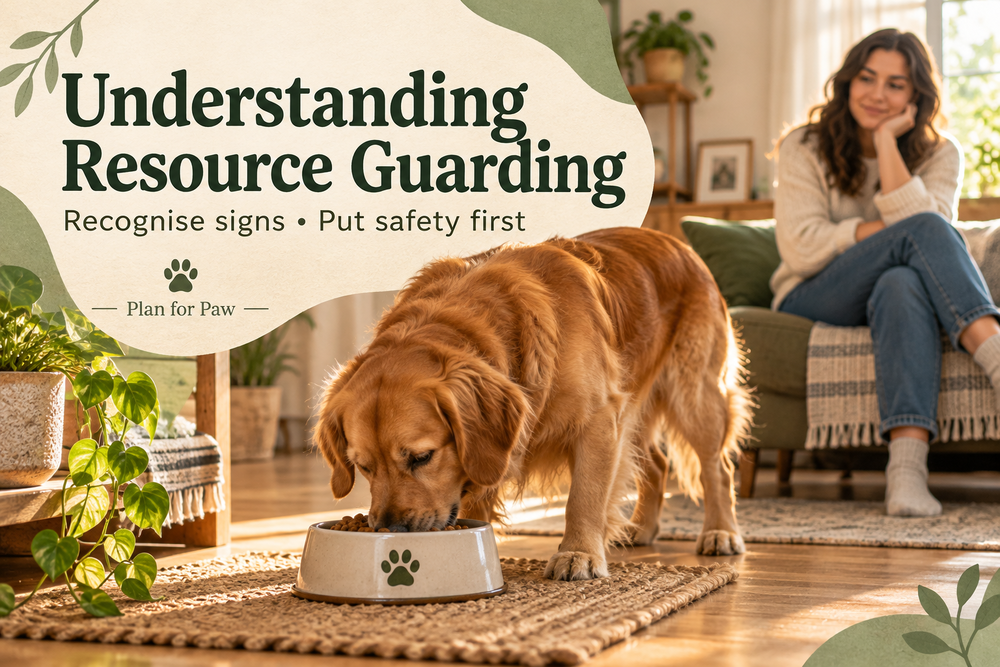 Resource Guarding in Dogs: Signs, Safety and What HelpsA dog that stiffens over the food bowl or growls when you approach a chew is guarding something it values. Here is how to recognise it early, keep everyone safe and what helps.
 How Lost Pets Actually Get Home — and How to Make Yours Easier to ReturnMost lost pets are found close to home by an ordinary person with a phone. What happens in the next few minutes decides how fast they get back. Here is how reunions really happen, and how to prepare.