Belgian Malinois
Also known as: Malinois, Mal, Belgian Shepherd Malinois
A high-drive working dog built for police and military work — not for casual homes.
- Driven
- Intelligent
- Alert
- Protective
- Intense
The Belgian Malinois is a herding breed from Belgium that has become the leading police and military dog worldwide. Malinois are intensely driven, extremely intelligent and physically tireless. In experienced hands they are outstanding partners; in ordinary pet homes they often become frustrated and destructive. They need hours of structured work every day.
At a glance
- Origin
- Belgium
- Breed group
- Herding / Working
- Size
- Large
- Weight
- 44–66 lb (20–30 kg)
- Height
- 22–26 in (56–66 cm)
- Lifespan
- 12–14 years
- Coat
- Short, straight, dense with undercoat
- Colours
- Fawn to Mahogany with black mask
- Average cost
- $110–$190 / month
Breed ratings
Rated 1–5 on the same scale as every other entry, so scores are comparable between breeds. Amber stars mark things that cost you effort rather than things that benefit you.
Temperament
Malinois are loyal and protective, often bonding strongly with one handler. They can be wary of strangers and need careful socialisation.
Care & upkeep
Exercise
Two hours or more daily of structured physical and mental work.
Grooming
Weekly brushing and more during seasonal shedding.
Training
Extremely trainable but demanding. Experienced, consistent handling and impulse control work are essential.
Feeding & diet
- Typical diet
- High-protein working-dog diet
- Daily amount
- 450–750 g of dry food
- Meals per day
- 2 meals a day
Feed to workload and body condition. Working dogs need substantially more.
Foods to avoid
- Chocolate
- Grapes and raisins
- Onion and garlic
- Xylitol
- Large meals around exercise
Who this breed suits
A good match for
- Experienced working-dog handlers
- Dog sports competitors
- Active rural homes
Probably not for
- First-time owners
- Apartments
- Families wanting a relaxed pet
- Owners away all day
Common health problems
This section describes conditions the breed is known to be predisposed to, so you know what to ask about. It is not veterinary advice and is not a diagnosis — always speak to a vet about your own animal.
- Hip and elbow dysplasiaScreened by responsible breeders.
- Progressive retinal atrophyA hereditary cause of blindness.
- EpilepsyOccurs in some lines.
- Work-related injuriesHigh-intensity dogs often injure joints and muscles.
Most Malinois problems are behavioural rather than medical — they come from not enough work.
Interesting facts
- The most widely used police and military dog in many countries.
- One of four Belgian Shepherd varieties.
- Named after the Belgian city of Mechelen (Malines).
Diet & Feeding
Feed around 450–750 g of high-protein food daily across two meals, adjusted to workload. Malinois burn a lot of energy; feed to body condition and keep them lean. Rest around hard exercise.
Exercise Needs
Malinois need two hours or more daily, and much of it must be mental work: obedience, protection sports, tracking, agility or detection. Physical exercise alone produces a fitter, more frustrated dog. They need a job.
Grooming
The coat is easy: brush weekly, more during the twice-yearly shed. Bathe occasionally. Trim nails every three weeks and check paws after work.
Health & Vet Care
Generally robust. Watch for hip and elbow dysplasia, progressive retinal atrophy, epilepsy and injuries from high-intensity work. Ask breeders for hip and elbow scores.
Training Tips
Malinois learn extremely fast and are highly sensitive to handling. They need experienced, consistent, reward-based training from day one, with impulse control, calm settling and socialisation as priorities. Without an outlet they develop problems such as spinning, chewing and reactivity.
Read next
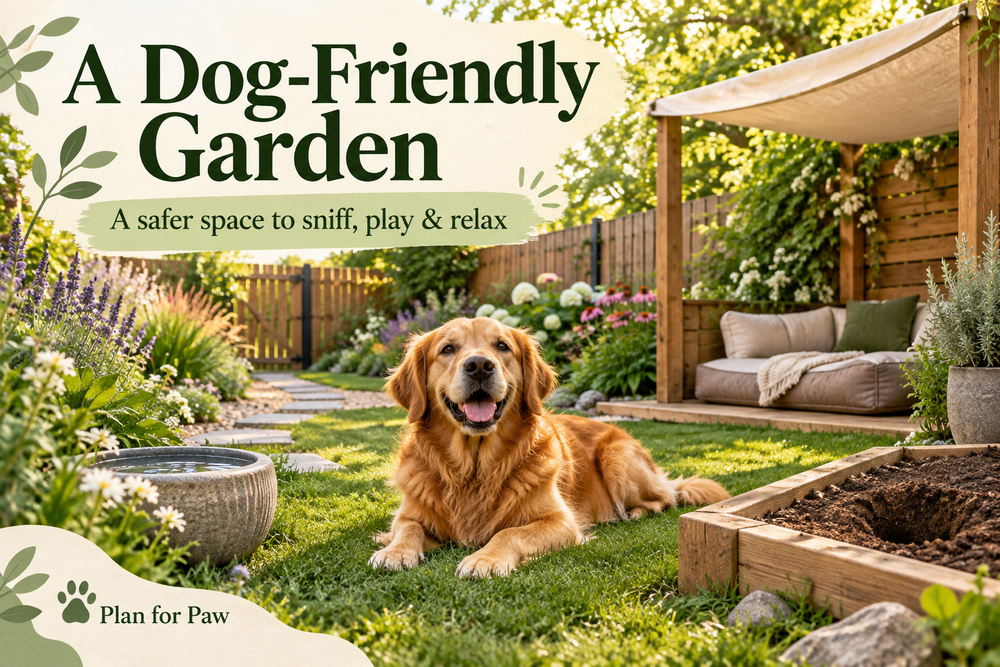 How to Set Up a Dog-Friendly GardenA garden can be a safe, interesting space for your dog — or a source of escapes, toxic plants and dug-up borders. Here is how to set one up for safety, comfort and enrichment.
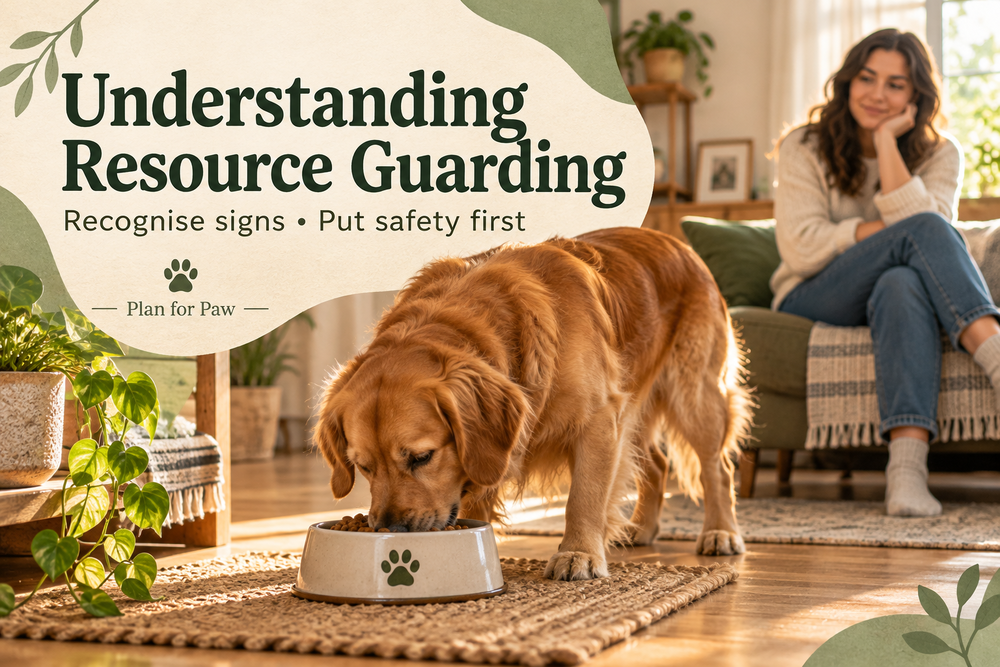 Resource Guarding in Dogs: Signs, Safety and What HelpsA dog that stiffens over the food bowl or growls when you approach a chew is guarding something it values. Here is how to recognise it early, keep everyone safe and what helps.
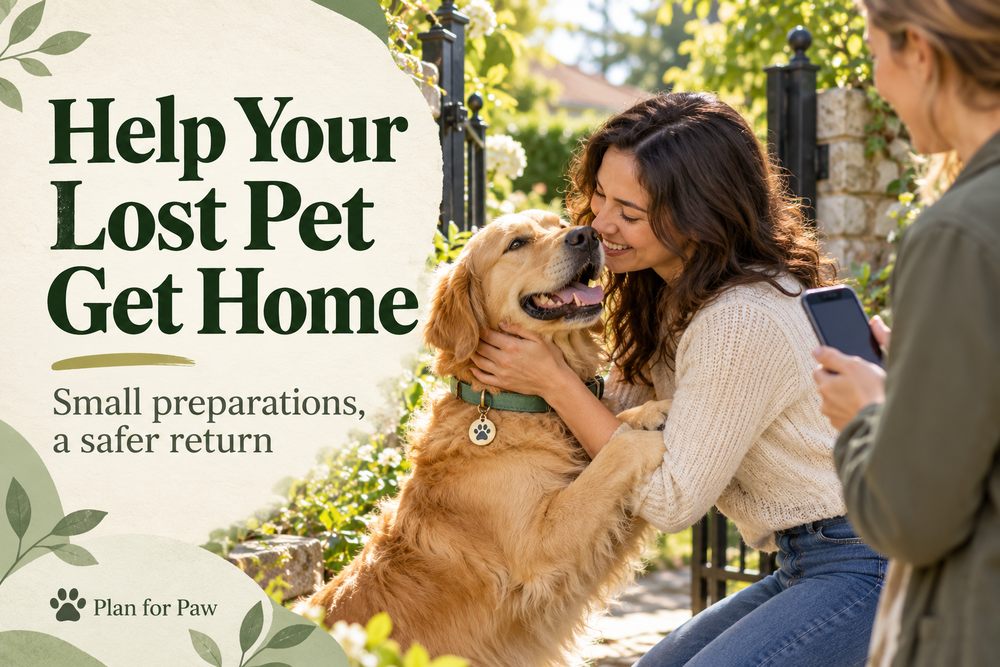 How Lost Pets Actually Get Home — and How to Make Yours Easier to ReturnMost lost pets are found close to home by an ordinary person with a phone. What happens in the next few minutes decides how fast they get back. Here is how reunions really happen, and how to prepare.