
Airedale Terrier
Also known as: Airedale, King of Terriers, Waterside Terrier
The King of Terriers — tall, versatile, clever and full of mischief.
- Confident
- Clever
- Playful
- Protective
- Independent
The Airedale is the largest of the terriers, developed in Yorkshire's Aire Valley to hunt otters and vermin. Airedales are intelligent, confident and versatile — they have served as police, messenger and guard dogs. They are playful, protective family dogs that need plenty of exercise, mental work and consistent training.
At a glance
- Origin
- Yorkshire, England
- Breed group
- Terrier
- Size
- Large
- Weight
- 40–64 lb (18–29 kg)
- Height
- 22–24 in (56–61 cm)
- Lifespan
- 11–13 years
- Coat
- Hard, dense, wiry outer coat with soft undercoat
- Colours
- Black & Tan, Grizzle & Tan
- Average cost
- $110–$190 / month
Breed ratings
Rated 1–5 on the same scale as every other entry, so scores are comparable between breeds. Amber stars mark things that cost you effort rather than things that benefit you.
Temperament
Airedales are loyal, playful and protective, often good with children. They can be dominant with other dogs and chase small animals.
Care & upkeep
Exercise
90 minutes or more daily with mental work. A bored Airedale digs and chews.
Grooming
Hand-strip two or three times a year or clip every 8 weeks. Comb the beard regularly.
Training
Clever but independent. Varied, reward-based training and early socialisation work best.
Feeding & diet
- Typical diet
- Quality large-breed diet
- Daily amount
- 400–650 g of dry food
- Meals per day
- 2 meals a day
Feed to body condition and rest around meals to reduce bloat risk.
Foods to avoid
- Chocolate
- Grapes and raisins
- Onion and garlic
- Xylitol
- Large meals around exercise
Who this breed suits
A good match for
- Active families
- Experienced owners
- Homes with a garden
- Dog sports enthusiasts
Probably not for
- Apartments
- Sedentary households
- Homes with small pets
Common health problems
This section describes conditions the breed is known to be predisposed to, so you know what to ask about. It is not veterinary advice and is not a diagnosis — always speak to a vet about your own animal.
- Hip dysplasiaScreened by responsible breeders.
- HypothyroidismCommon; signs include weight gain, lethargy and coat changes.
- Skin allergiesItching and skin infections occur.
- Bloat (GDV)A risk in deep-chested breeds — rest around meals.
- CancerReport any new lump promptly.
Ask breeders for hip scores and family history of thyroid and skin problems.
Interesting facts
- Used as messenger dogs in the First World War.
- Among the first breeds used by British police.
- The largest of the terrier breeds.
Diet & Feeding
Feed around 400–650 g of quality food daily across two meals. Airedales are active, muscular dogs; feed to body condition. They are deep-chested enough to warrant resting an hour around meals.
Exercise Needs
Plan on 90 minutes or more daily, including off-lead running in secure areas, fetch, agility or tracking. A bored Airedale digs, chews and invents games. Mental work matters as much as physical exercise.
Grooming
The wiry coat should be hand-stripped two or three times a year for the correct texture, or clipped every 8 weeks for convenience. Brush weekly and comb the beard and leg furnishings. Trim nails every three weeks.
Health & Vet Care
Watch for hip dysplasia, hypothyroidism, skin allergies, bloat and certain cancers. Ask breeders for hip scores. Report lumps and persistent skin problems to your vet.
Training Tips
Airedales are clever and independent, with a terrier's sense of humour. Keep training varied and reward-based; repetition bores them. Socialise early with people and dogs, and teach impulse control — they are strong and exuberant.
Read next
 How to Set Up a Dog-Friendly GardenA garden can be a safe, interesting space for your dog — or a source of escapes, toxic plants and dug-up borders. Here is how to set one up for safety, comfort and enrichment.
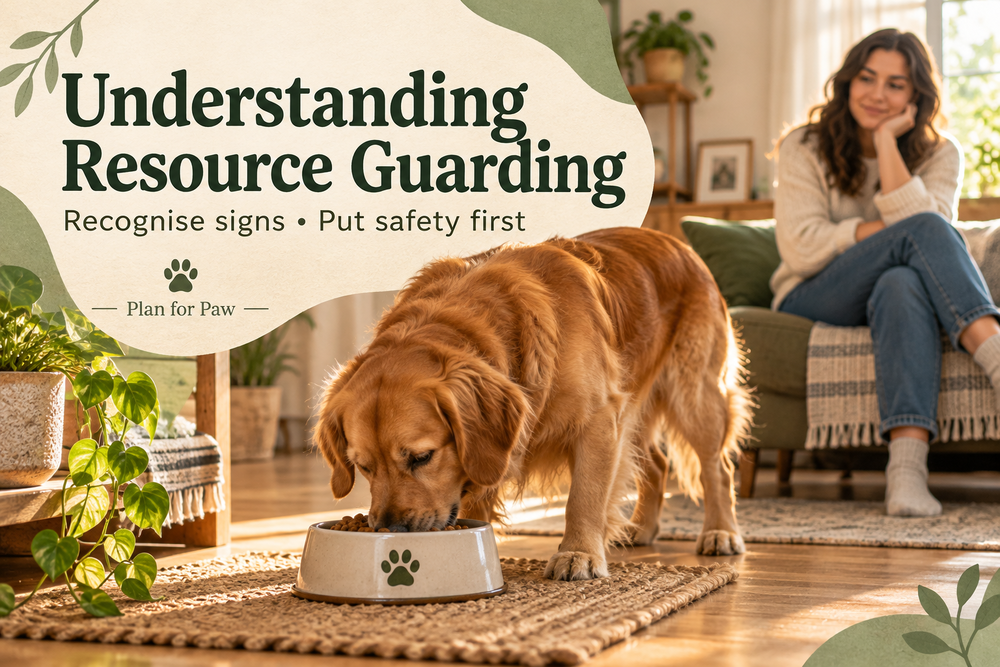 Resource Guarding in Dogs: Signs, Safety and What HelpsA dog that stiffens over the food bowl or growls when you approach a chew is guarding something it values. Here is how to recognise it early, keep everyone safe and what helps.
 How Lost Pets Actually Get Home — and How to Make Yours Easier to ReturnMost lost pets are found close to home by an ordinary person with a phone. What happens in the next few minutes decides how fast they get back. Here is how reunions really happen, and how to prepare.