
Guinea Pig vs Syrian Hamster
Both are popular small pets, but they live very differently. Guinea pigs are social, daytime-active and should live in pairs or groups; Syrian hamsters are solitary and must live alone, and they are mostly active at night. Guinea pigs also live longer and need more space.
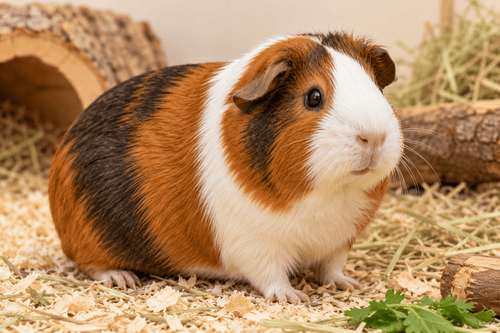
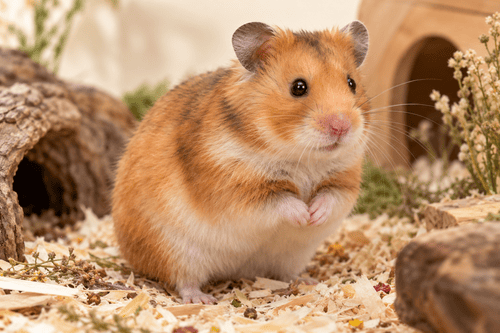
At a glance
| Guinea Pig | Syrian Hamster | |
|---|---|---|
| Size | Medium | Small |
| Weight | 2–3 lb (0.7–1.2 kg) | 3.5–7.1 oz (100–200 g) |
| Lifespan | 4–8 years | 2–3 years |
| Coat | Long · Short (American), long (Peruvian), curly (Texel) and many more breed varieties | Long · Short (most common) or long (Teddy Bear) |
| Origin | Andes, South America | Syria, Turkey |
Temperament & care, rated 1–5
| Guinea Pig | Syrian Hamster | |
|---|---|---|
| Energy levelNeeds a lot of activity every day | 3 | 4 |
| IntelligenceLearns quickly and solves problems | 3 | 2 |
| TrainabilityTakes to training readily | 3 | 2 |
| AffectionWants close contact with people | 5 | 3 |
| IndependenceCopes well with time alone | 3 | 2 |
| Good with childrenPatient and tolerant with kids | 5 | 3 |
| Good with other petsUsually settles with other animals | 5 | 3 |
| Apartment friendlyComfortable in a smaller home | 4 | 3 |
| Beginner friendlyForgiving for a first-time owner | 4 | 3 |
| SheddingSheds heavily | 3 | 3 |
| Grooming needsFrequent brushing or professional grooming | 2 | 1 |
| Noise levelVocal — barks, meows or calls often | 3 | 3 |
Highlighted = the easier choice for most owners on that trait (higher, except shedding, grooming and noise, where lower is easier).
The key differences
- Social needs: guinea pigs need company; Syrian hamsters must be housed alone.
- Activity: guinea pigs are active by day; hamsters mainly at night.
- Diet: guinea pigs need vitamin C every day because they cannot make it.
- Lifespan: guinea pigs usually live 5–7 years; Syrian hamsters 2–3.
Choose the Guinea Pig if…
- You want a pet that is awake during the day and enjoys gentle handling.
- You can keep at least two together.
- You have room for a large enclosure and plenty of hay.
Choose the Syrian Hamster if…
- You want a single pet that is happy alone.
- You are often awake in the evening when it is active.
- You have less space (but still need a large cage and a big wheel).