
Holland Lop vs Rex Rabbit
Both are popular pet rabbits, but they differ in size and coat. The Holland Lop is a dwarf breed with floppy ears and weighs no more than about 4 lb; the Rex has a famously velvety, plush coat and comes in standard and mini sizes.
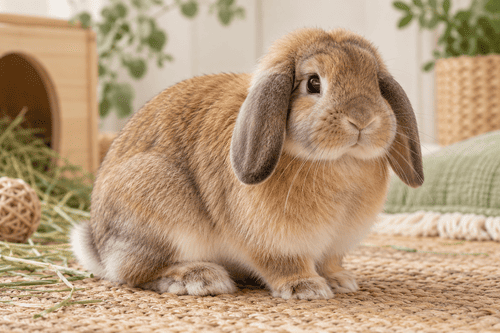
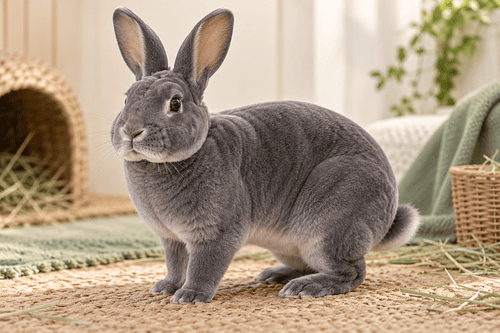
At a glance
| Holland Lop | Rex Rabbit | |
|---|---|---|
| Size | Small | Large |
| Weight | 2–4 lb (0.9–1.8 kg) | 8–11 lb (3.5–4.8 kg) |
| Lifespan | 7–14 years | 5–6 years |
| Coat | Medium length · Short to medium, dense and rollback | Short · Short, dense, rex (upright rather than flat-lying) fur — velvety texture |
| Origin | Netherlands | France |
Temperament & care, rated 1–5
| Holland Lop | Rex Rabbit | |
|---|---|---|
| Energy levelNeeds a lot of activity every day | 3 | 2 |
| Exercise needsLong daily walks or workouts required | 3 | 2 |
| IntelligenceLearns quickly and solves problems | 3 | 4 |
| TrainabilityTakes to training readily | 3 | 4 |
| AffectionWants close contact with people | 5 | 5 |
| IndependenceCopes well with time alone | 3 | 4 |
| Good with childrenPatient and tolerant with kids | 5 | 5 |
| Good with other petsUsually settles with other animals | 5 | 5 |
| Apartment friendlyComfortable in a smaller home | 4 | 5 |
| Beginner friendlyForgiving for a first-time owner | 4 | 5 |
| SheddingSheds heavily | 3 | 3 |
| Grooming needsFrequent brushing or professional grooming | 2 | 2 |
| Noise levelVocal — barks, meows or calls often | 3 | 3 |
Highlighted = the easier choice for most owners on that trait (higher, except shedding, grooming and noise, where lower is easier).
The key differences
- Size: Holland Lops are a dwarf breed; standard Rex rabbits are much larger.
- Ears: Holland Lops have drooping ears that can be prone to infections.
- Coat: the Rex coat is short and plush; Rex feet have less fur, so they are prone to sore hocks.
- Teeth: dwarf breeds such as the Holland Lop are more prone to dental problems.
Choose the Holland Lop if…
- You want a small rabbit with lop ears.
- You have limited space.
- You can check its teeth and ears regularly.
Choose the Rex Rabbit if…
- You want a calm, larger rabbit with a velvet-like coat.
- You can provide soft flooring to protect its feet.
- You want a rabbit that is often easy to handle.