
British Shorthair vs Scottish Fold
Both are round-faced, plush-coated, easy-going cats, but the Scottish Fold's folded ears come from a gene that also affects cartilage and bone in every folded cat, causing painful joint disease (osteochondrodysplasia). For that reason many vets and some countries discourage or restrict breeding Folds.
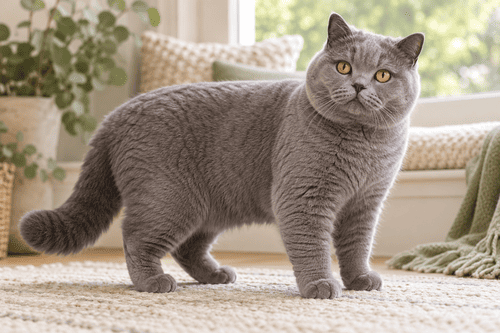
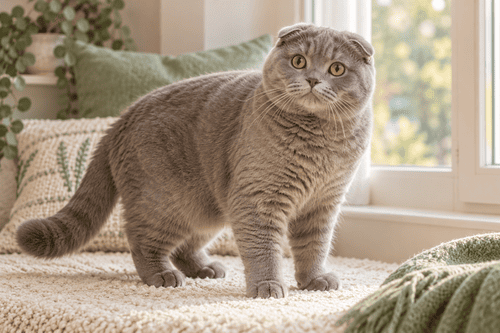
At a glance
| British Shorthair | Scottish Fold | |
|---|---|---|
| Size | Large | Medium |
| Weight | 9–18 lb (4–8 kg) | 6–13 lb (2.7–6 kg) |
| Lifespan | 12–20 years | 11–15 years |
| Coat | Short · Short, dense, plush double coat | Long · Short and dense or semi-long (Highland Fold) |
| Origin | United Kingdom | Scotland, UK |
| Typical monthly cost | $80–$95 / month | $75–$85 / month |
Temperament & care, rated 1–5
| British Shorthair | Scottish Fold | |
|---|---|---|
| Energy levelNeeds a lot of activity every day | 2 | 2 |
| IntelligenceLearns quickly and solves problems | 3 | 3 |
| TrainabilityTakes to training readily | 3 | 3 |
| AffectionWants close contact with people | 4 | 5 |
| IndependenceCopes well with time alone | 4 | 4 |
| Good with childrenPatient and tolerant with kids | 4 | 5 |
| Good with other petsUsually settles with other animals | 4 | 5 |
| Apartment friendlyComfortable in a smaller home | 5 | 5 |
| Beginner friendlyForgiving for a first-time owner | 5 | 5 |
| SheddingSheds heavily | 3 | 3 |
| Grooming needsFrequent brushing or professional grooming | 2 | 2 |
| Noise levelVocal — barks, meows or calls often | 3 | 3 |
Highlighted = the easier choice for most owners on that trait (higher, except shedding, grooming and noise, where lower is easier).
The key differences
- Welfare: the fold gene causes osteochondrodysplasia in all folded cats; British Shorthairs don't carry this risk.
- Ears: British Shorthairs have normal upright ears.
- Size: British Shorthairs are usually larger and heavier.
- Both are prone to obesity if under-exercised.
Choose the British Shorthair if…
- You want a calm, independent cat with a dense, plush coat.
- You want the round "teddy bear" look without the joint-disease risk.
- You don't need a lap cat.
Choose the Scottish Fold if…
- You have chosen a Fold and can budget for lifelong joint care and pain checks.
- You want a cat that is often a little more people-focused.
- You understand the welfare debate around the breed.