
How Often Should You Weigh Your Pet? A Simple Home Monitoring Guide
Weight change is one of the earliest signs that something is wrong — and one of the easiest things to track at home. Here is how often to weigh, how to do it accurately and what changes matter.
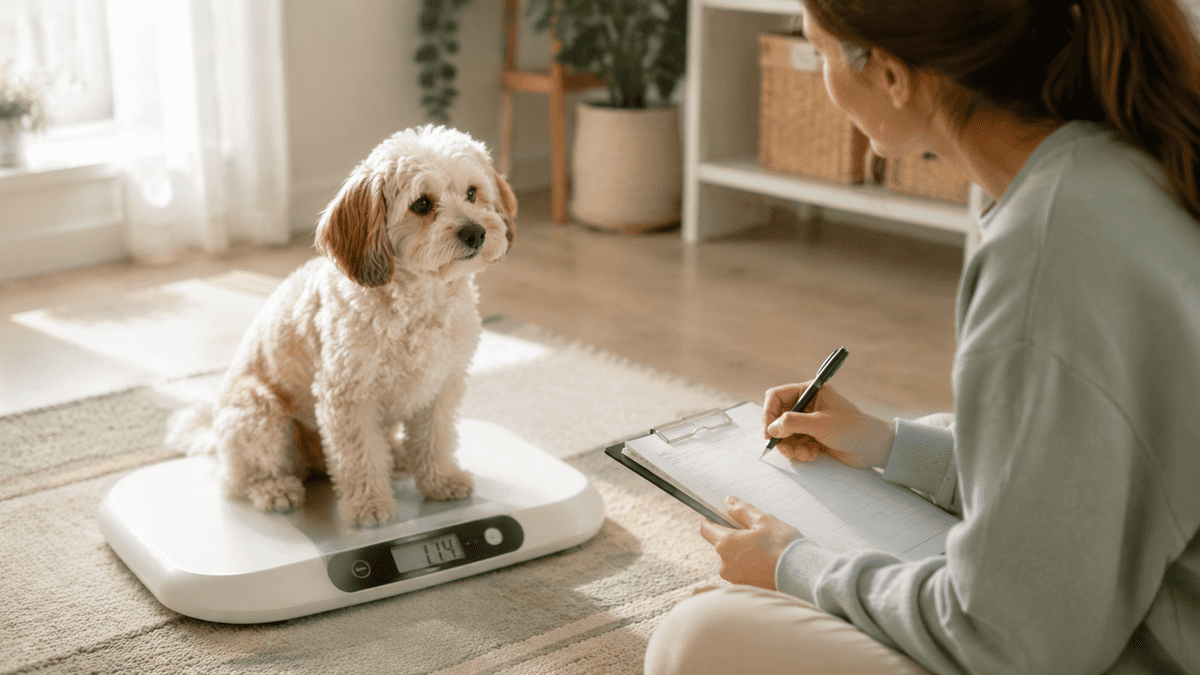
In short
Weight change is one of the earliest signs that something is wrong — and one of the easiest things to track at home. Here is how often to weigh, how to do it accurately and what changes matter.
Of all the things you can monitor at home, weight is the most useful relative to the effort involved. It takes two minutes, requires no expertise, and gives your vet an objective data point rather than an impression. Unexplained weight change frequently precedes a diagnosis by weeks.
How Often to Weigh
- Puppies and kittens: weekly — they should be gaining steadily
- Healthy adults: monthly
- Seniors: monthly, or fortnightly if your vet has flagged a concern
- Pets on a weight plan: every one to two weeks
- Pets with a diagnosed condition: as advised by your vet
How to Weigh Accurately at Home
Small pets and cats: weigh yourself, then weigh yourself holding the pet, and subtract. Better still, use kitchen or baby scales with the carrier on top and subtract the carrier weight.
Large dogs: most veterinary practices have a walk-on scale in reception and are happy for you to use it without an appointment. Many owners make this part of a monthly walk.
For consistency, weigh at the same time of day, ideally before a meal, and record it immediately.
Body Condition Score Alongside Weight
Weight alone does not tell the whole story — a muscular dog and an overweight dog can weigh the same. Combine the number with a quick hands-on check:
- Ribs: easily felt with light pressure, with a thin fat covering
- Waist: visible narrowing behind the ribs when viewed from above
- Tuck: the belly rises from the ribcage towards the hind legs when viewed from the side
Pet Health Record Binder
The Pet Health Record Binder includes a printable weight chart alongside vet visit logs, medication records and symptom notes — so a gradual change is visible as a trend rather than a surprise at the next appointment.
Get the Pet Health Record Binder →What Change Is Significant?
As a general rule, an unexplained change of more than around 5% of body weight is worth a conversation with your vet. For a 5 kg cat that is 250 g — small enough that you would not notice it by eye, which is exactly why the scale matters. Rapid weight loss in cats is particularly significant and should never be waited out.
Safe Rates of Change
If your vet has recommended weight loss, slow is safer: roughly 1–2% of body weight per week for dogs and 0.5–1% for cats. Rapid weight loss in cats risks serious liver complications, so weight plans for cats should always be vet-supervised.
Two ways to monitor
Want a focused health record with a weight chart? Choose the Pet Health Record Binder. Want weight alongside daily meals, walks and medication? Choose the Daily Dog Care Tracker.
Get the Daily Dog Care Tracker →Frequently Asked Questions
Can I weigh my dog at the vet without an appointment?
Most practices are happy for you to use the reception scale — call ahead to confirm. It also keeps the clinic a low-stress place to visit.
My pet's weight fluctuates slightly each month. Should I worry?
Small fluctuations are normal. It is the sustained trend in one direction that matters, which is why recording is more useful than remembering.
What if my pet is gaining despite the same food?
Activity levels, age, neutering and treats all shift the balance. Review the treat total first, then discuss portions with your vet.
Printable and fillable PDF templates for pet owners — feeding schedules, health records, training trackers and more.